
How To
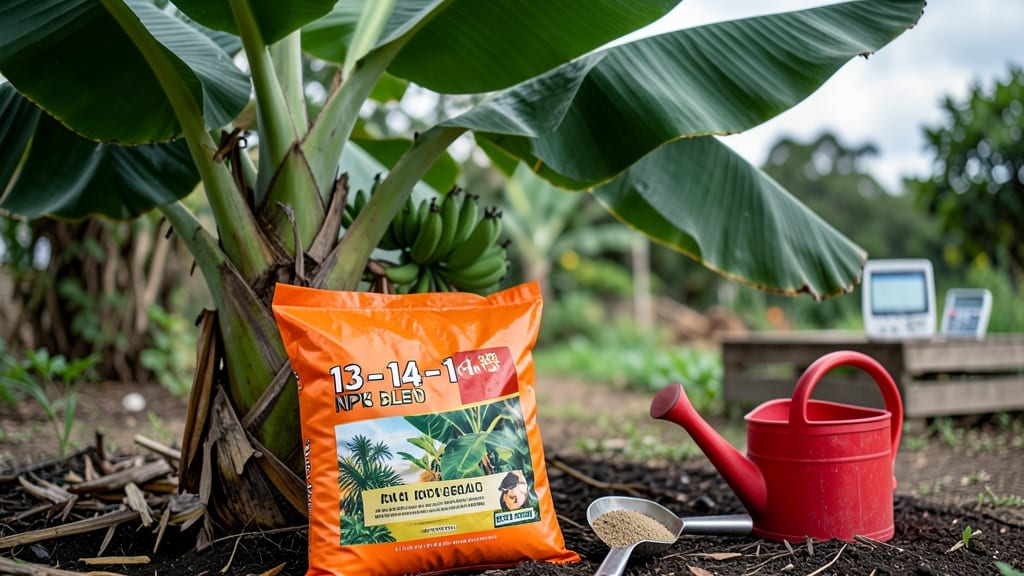
Fertilizing your banana tree at the right time is the key to bigger, sweeter fruit—skip the schedule, and you’ll end up with stunted growth or even no harvest at all.
Here’s the truth: most growers overlook the seasonal shift in nutrients, feeding their 🍌 banana trees too much in winter or too little when they’re flowering. That’s how you miss the prime windows for maximum impact.
In this guide, I’ll walk you through the exact months to fertilize based on your climate zone, the signs your tree is hungry (or overfed), and how to pick the best fertilizer for each season—so you can go from guesswork to guaranteed growth.
Ready to turn your banana tree into a fruiting powerhouse? Let’s break down the schedule by season, including what to feed it in spring for leafy growth and how to boost potassium in summer for those heavy bunches.
Best fertilization schedule for banana trees by season (with key nutrient needs)
Banana trees thrive when fed the right nutrients at the right time—skipping this step can mean fewer fruits or poor-quality bunches. Unlike many plants, bananas need a high-potassium diet during fruiting stages, while younger trees prioritize nitrogen for leaf growth.
Your climate zone (tropical vs. subtropical) will shift timing slightly, but the core principles remain the same.
The key is matching fertilization to your banana tree’s growth stages: vegetative (leafy growth), flowering, and fruiting. In tropical zones, this happens year-round, while subtropical growers pause in winter. Below, I’ve broken down the month-by-month schedule, including NPK ratios and climate adjustments to maximize your harvest.
| Season | Growth Stage | NPK Ratio | Fertilizer Type | Frequency | Climate Notes |
|---|---|---|---|---|---|
| Spring (March-May) | Vegetative | 10-5-5 or 8-3-9 | Balanced organic/synthetic | Every 4 weeks | Tropical: Year-round growth; subtropical: Start after last frost |
| Summer (June-August) | Flowering/Fruiting | 6-6-6 or 8-3-9 | High-potassium blend | Every 6 weeks | Peak feeding; reduce nitrogen to avoid leafy overgrowth |
| Fall (September-Nov) | Fruiting/Dormancy Prep | 4-4-8 or 5-5-10 | Potassium-rich | Every 8 weeks | Subtropical: Taper off by Nov; tropical: Continue light feeding |
| Winter (Dec-Feb) | Dormant (Subtropical) | 0-0-0 | None | Skip | Tropical: Light feed every 12 weeks; subtropical: Protect from frost |
For tropical climates, adjust this schedule by fertilizing every 8-12 weeks year-round, using a 6-6-6 or 8-3-9 blend. In subtropical zones, pause fertilization entirely during winter (December–February) unless your tree shows signs of deficiency, like yellowing leaves or stunted growth.
Young banana trees (under 2 years) need higher nitrogen (10-5-5 ratio) to build foliage, while mature trees (3+ years) shift to potassium-heavy fertilizers (4-4-8) when flowering. Always apply fertilizer in the early morning after watering to avoid burning roots.
Spread granules evenly in the soil around the drip line, not touching the trunk.
Organic options like composted banana peels or fish emulsion work well for nitrogen, while synthetic potassium sulfate boosts fruiting. Test your soil every 2-3 years—bananas thrive in slightly acidic soil (pH 5.5–6.5). If your soil is too alkaline, amend with sulfur or peat moss before fertilizing.
Over-fertilizing is a common mistake—too much nitrogen leads to lush leaves but no fruit, while excess phosphorus can cause leaf scorch. Always follow label rates and flush the soil with water after 3–4 feedings to prevent buildup.
If your tree produces small, hard bananas, it’s likely potassium-deficient; switch to a high-potassium fertilizer immediately.
In subtropical zones, time your first spring feeding for March–April, right after the last frost. This kickstarts growth before summer’s heat. For tropical growers, fertilize every 8 weeks regardless of season, but reduce amounts by 30% during monsoon seasons to avoid runoff.
Mulch with straw or wood chips to retain moisture and nutrients between feedings.
Monitor your tree’s response: Healthy leaves should be dark green and upright, while flower stalks (called "hands") indicate it’s ready for potassium. If you see purple stems or weak stems, your tree needs phosphorus—switch to a 5-10-10 blend for 2 feedings, then return to potassium.
💡 Final Tip: Container-grown banana trees need 2x the fertilizer of in-ground plants due to limited soil volume. Use a slow-release fertilizer or liquid feed every 4 weeks in summer to match their rapid growth rate.
Signs your banana tree needs fertilizer (and when to adjust your schedule)
Your banana tree might be silently screaming for nutrients if you notice yellowing leaves starting from the bottom. This classic sign of nitrogen deficiency means your plant isn’t getting enough to fuel its rapid growth.
I’ve seen this happen when growers skip their spring feeding schedule, assuming last year’s fertilizer will carry over.
Another red flag is stunted growth—if your banana tree’s leaves are smaller than usual or the trunk isn’t thickening as expected, it’s time to adjust your fertilization timing.
Bananas thrive on a balanced NPK ratio (like 6-6-6), but if your soil lacks potassium, you’ll see poor flowering or even no fruit bunches forming at all.
🔍 Pro Tip: Check the soil pH too—bananas prefer 6.0-7.5. If your soil is too acidic or alkaline, nutrients lock up, making fertilization useless. Test your soil every 6-12 months to catch this early.
⚠️ When to Fertilize Banana Trees: Critical Timing Warnings
❌ DON’T fertilize after heavy rain or pest damage—wait until new growth appears. ❌ AVOID winter feeding in Zone 9b or colder; bananas go dormant. ✅ BEST TIME: Early spring (March) and late summer (August) for potassium-rich feeds before flowering.
If your banana tree’s leaves develop brown tips or curled edges, it’s often a sign of over-fertilization or chlorosis (iron deficiency). Flush the soil with water to leach excess salts, then switch to a low-salt organic fertilizer like composted manure.
I’ve had to reset my own banana trees this way after overzealous feeding!
For container-grown bananas, watch for roots circling the pot—this means they’ve exhausted the soil’s nutrients. Repot with fresh, well-draining mix and fertilize 2 weeks later. In-ground trees need monthly soil checks during peak growth (April-September) to avoid nutrient depletion.
🌱 Troubleshooting Checklist: ☑️ Yellow leaves? → Test for nitrogen deficiency; feed with balanced fertilizer ☑️ No flowers? → Boost potassium (try 0-10-10) in late summer ☑️ Brown leaf tips? → Flush soil and reduce fertilizer strength ☑️ Stunted growth? → Check pH and soil moisture; amend if needed
Remember, banana trees are heavy feeders—don’t wait until you see visible stress to act. A preventative schedule (every 4-6 weeks in growing season) keeps your tree thriving and your harvest bountiful. Start with a light feed in spring, then ramp up as you spot new leaves forming!