
How To
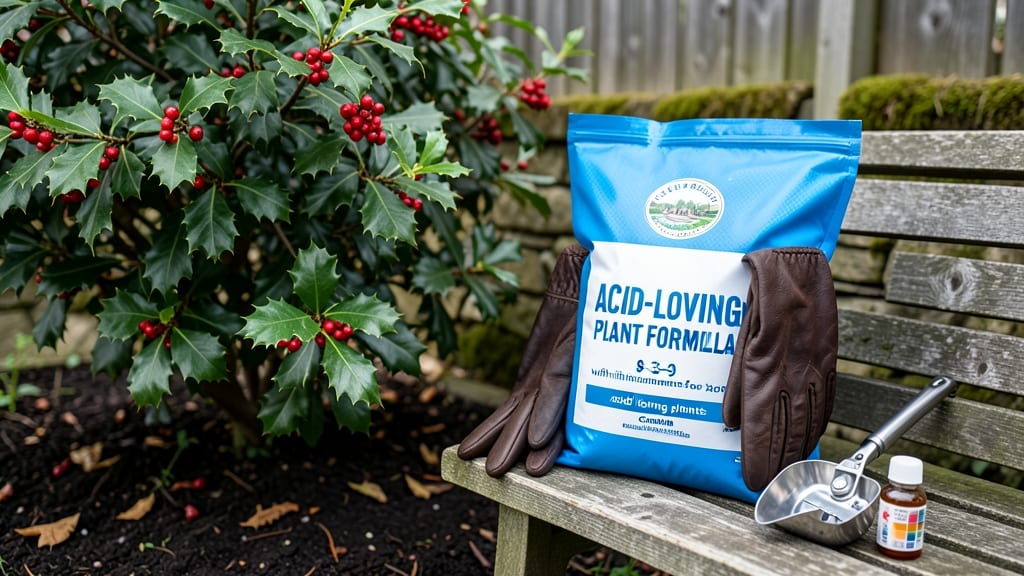
To fertilize holly at the right time means feeding it when it’s ready to grow—not when it’s dormant or stressed.
Holly bushes thrive with the right care, and fertilizing at the wrong time can stunt growth or even harm your plant—so timing is everything. Master the seasonal schedule to keep your holly lush, vibrant, and healthy year after year.
Most gardeners make the mistake of feeding holly in late summer or fall, when the plant is preparing for dormancy. Instead, focus on early spring and late summer for the best results.
In this guide, you’ll learn the exact months to fertilize, how to choose the right type of fertilizer, and how often to feed your holly for strong, year-round growth.
Best times of year to fertilize holly for optimal growth
Timing your holly fertilization correctly makes all the difference between a thriving, berry-producing shrub and one that struggles to grow. Holly plants are sensitive to over-fertilization, but they also need nutrients at the right moments to support root development, leaf growth, and berry production.
The key is feeding them when they're actively growing—not during dormancy.
Most gardeners focus on three critical fertilization windows: early spring, late summer, and occasionally fall. Each timing aligns with your holly’s natural growth cycle, ensuring nutrients are used efficiently.
For example, feeding in early spring helps kickstart root growth after winter, while late summer feeding supports berry development before dormancy. Skipping these windows can lead to slow growth, pale leaves, or even reduced berry production.
Here’s a breakdown of the best times to fertilize holly, why they matter, and what to avoid during each season.
In early spring, holly plants wake up from dormancy and need a light feeding to rebuild energy stores. Aim for a balanced fertilizer (like 10-10-10) applied after the soil has warmed but before new growth appears. This timing encourages root expansion and prepares the plant for the growing season.
I like to use a slow-release granular fertilizer spread evenly around the root zone, followed by a deep watering to help nutrients penetrate the soil.
By late summer, your holly is focusing its energy on berry production and late-season growth. This is the second critical fertilization window, ideally in August or early September. Use a low-nitrogen, phosphorus-rich fertilizer (like 5-10-10) to encourage flowering and fruiting.
Avoid high-nitrogen feeds, which can lead to excessive leafy growth at the expense of berries. If you notice yellowing leaves or stunted growth by this time, a light feeding can give your holly a much-needed boost before winter.
When it comes to fall fertilization, the rule is simple: skip it. Holly plants enter dormancy in late fall, and feeding them during this time can stimulate weak, tender growth that won’t survive winter.
Instead, focus on mulching around the base of your holly with organic matter like shredded leaves or pine straw. This helps insulate the roots and retain moisture, setting your plant up for a successful winter dormancy.
In mild climates (USDA zones 8-10), you might apply a light organic fertilizer in early fall, but this is the exception, not the rule.
Winter is a no-fertilizer zone for holly bushes. During this time, your plant is dormant, meaning it’s not actively growing or absorbing nutrients. Fertilizing in winter can lead to nutrient runoff, harming nearby plants and local waterways.
Instead, focus on protecting your holly from cold snaps. If you live in a harsh winter climate, consider wrapping young holly bushes in burlap or applying a thick layer of mulch to shield the roots from freezing temperatures.
One common mistake I see is over-fertilizing holly bushes in the wrong season, particularly in spring. While it’s tempting to give your plant a big boost when it’s waking up, too much fertilizer too soon can burn the roots or lead to excessive leaf growth with few berries.
Always follow the package instructions for your chosen fertilizer and err on the side of caution. For example, I’ve seen holly bushes with burnt leaf edges after receiving double the recommended dose of fertilizer in early spring.
To make fertilization even easier, consider using a slow-release fertilizer in early spring. These products provide a steady supply of nutrients over several months, reducing the need for multiple feedings.
Look for products labeled for shrubs and evergreens, as they’re formulated to meet the specific needs of plants like holly
Signs your holly needs fertilizer (and when to skip it)
Your holly bush might be silently screaming for nutrients if you notice yellowing leaves between the veins—a classic sign of nitrogen deficiency.
This chlorosis often starts on older leaves first, then spreads upward as the plant struggles to produce enough chlorophyll. Slow growth in spring or sparse berry production are other red flags that your holly isn't getting the essential nutrients it craves.
But here's the catch: not all leaf discoloration means your holly needs fertilizer. Brown leaf edges or crispy tips could signal over-fertilization or underwatering, not a nutrient deficiency.
Before reaching for that fertilizer bag, check the soil moisture and inspect the roots—burnt roots or a salty crust on the soil surface are clear warnings to skip fertilization immediately.
Fertilize: Early spring (March-April) and late summer (July-August) for established holly. Newly planted holly needs a light feed only in spring.
Skip: Fall (Sept-Nov) and winter (Dec-Feb)—holly enters dormancy and won't use fertilizer. Over-fertilizing now can burn roots and stress the plant.
Pay attention to new growth patterns—healthy holly should produce 2-4 inches of new shoots annually.
If your plant is putting out stunted, sparse growth or leaves that are smaller than normal, it's likely starving for nutrients. Phosphorus deficiency (the "P" in NPK) often causes weak stems and poor berry development, while potassium deficiency (the "K") may lead to yellow leaf edges and weak disease resistance.
One of the most overlooked signs is poor root development. Gently scratch the soil surface around your holly—if you see few fine roots (less than 1/4 inch thick) or roots that look brown and mushy, your plant isn't getting enough nutrients to support a healthy root system.
This often happens when holly is planted in compacted or poor soil without regular feeding.
Don't confuse normal seasonal changes with nutrient deficiencies. Holly naturally sheds older leaves in late winter or early spring as new growth begins—this isn't a sign to fertilize.
Similarly, dormant holly in winter may look leggy or sparse, but this is just the plant conserving energy. Wait until after last frost (typically mid-April in most zones) before fertilizing to avoid shocking the plant.
If you're unsure whether your holly needs fertilizer, perform a simple soil test—most garden centers sell $10 test kits that reveal pH and nutrient levels. Holly prefers slightly acidic soil (pH 5.0-6.0).
If your soil is too alkaline (pH 7.0+), nutrients like iron and manganese become unavailable, even if you're fertilizing regularly. In this case, skip the fertilizer and focus on amending the soil with peat moss or sulfur instead.
Remember: Less is more with holly fertilization. Overdoing it can cause leaf scorch, root burn, or even plant death. When in doubt, under-fertilize—you can always add more later, but you can't undo fertilizer damage.
Start with a light application (1 tbsp per 1-foot diameter of plant) and monitor your holly's response closely.