
Fertilization
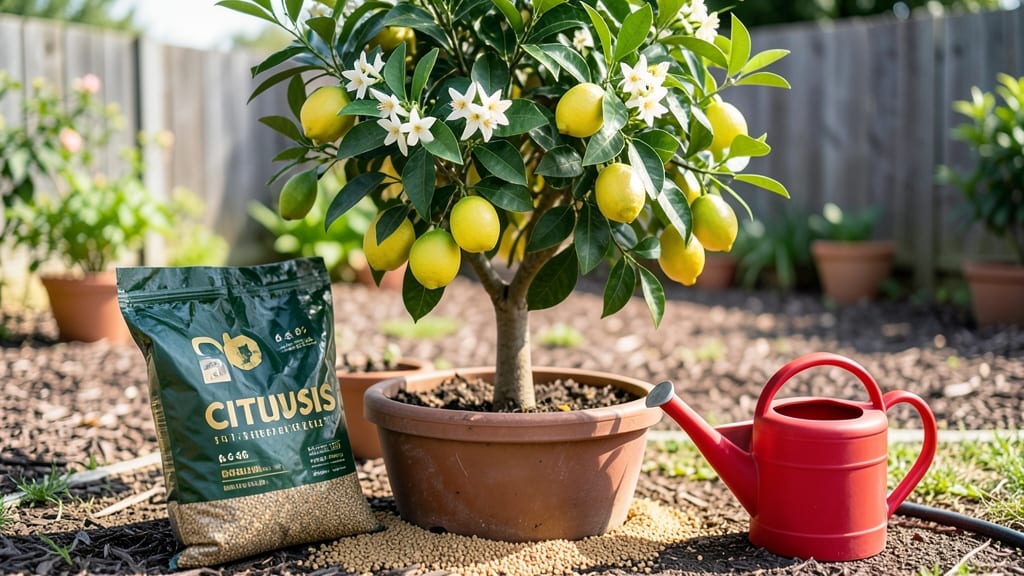
Fertilizing citrus at the right time is the key to juicy fruit and lush growth—and missing the window can leave your 🍊 tree struggling or stressed.
Picture this: you’ve just planted a citrus sapling, full of promise, only to watch it wilt under the weight of weak branches or tiny, tart fruit. The problem?
Timing. Citrus trees need nutrients at specific moments—spring for new growth and fall for a final boost—but get it wrong, and you risk burning roots or wasting fertilizer.
In this guide, I’ll break down the two critical fertilization windows (spring flush and fall boost) and how to adjust for your climate zone. You’ll also learn how to spot signs of over- or under-feeding, plus the best organic vs. synthetic options for your tree’s needs.
Whether you’re a first-time grower or a seasoned citrus enthusiast, these tips will help you feed your tree the right way—so you can enjoy sweet oranges, bright lemons, and healthy foliage all year.
Citrus fertilizing schedule by season: spring vs fall timing explained
Timing your citrus fertilization is everything—apply nutrients at the wrong time, and you’ll either waste money or stress your tree. The two critical windows are spring and fall, each serving a unique purpose for fruit production and root health.
In USDA Zone 9b (where citrus thrives), these seasons align with your tree’s natural growth cycles, but adjustments are needed for temperate climates where winters dip below 40°F.
Spring fertilization kickstarts new growth and flowering, while fall feeds prepare your tree for winter dormancy and next year’s harvest. Skipping either can lead to small fruit, yellowing leaves, or even root burn if overdone.
Let’s break down the exact timing, fertilizer types, and climate-specific tweaks to maximize your citrus tree’s potential.
| Season | Best Time to Fertilize | Purpose | Fertilizer Type | Climate Adjustments |
|---|---|---|---|---|
| Spring | Late February–March | Stimulates new growth and flowering | Balanced 6-6-6 or 8-3-9 NPK | Wait until soil warms (above 60°F) |
| Summer | June–August (light feeds) | Supports fruit development and root health | Slow-release organic granules or liquid feed | Reduce in extreme heat (risk of root burn) |
| Fall | October–November | Boosts root strength for winter | High-potassium (e.g., 5-10-10) | Skip in frost-prone zones (wait until spring) |
| Winter | December–January | No fertilization (dormant period) | N/A | Focus on mulching and watering |
Your spring fertilization should happen as soon as you see new leaves emerging—typically late February to March in Zone 9b. This is when your citrus tree shifts from dormancy to active growth, and it needs phosphorus (for roots) and nitrogen (for leaves).
Use a balanced fertilizer like 6-6-6 or a citrus-specific blend with micronutrients like zinc and iron to prevent deficiencies.
For temperate climates (e.g., Zone 8a), delay spring feeding until after the last frost and when soil temperatures exceed 60°F. Cold soil locks out nutrients, making fertilization a waste.
Test your soil’s pH first—citrus prefers 6.0–7.0. If your soil is too alkaline, amend it with sulfur or peat moss before applying fertilizer.
Summer feeding is often overlooked, but it’s crucial for fruit development. From June to August, switch to light, frequent applications every 6–8 weeks to avoid root burn. Opt for slow-release granules or liquid fertilizers with a lower nitrogen content (e.g., 3-4-6) to encourage
Signs your citrus tree needs fertilizer (and when to avoid it)
Your citrus tree might be whispering for nutrients through its leaves, fruit, and even its soil. Yellowing leaves, especially on older growth, often signal nitrogen deficiency, while small, sparse fruit could mean phosphorus or potassium is lacking.
I’ve seen citrus trees drop blossoms entirely when they’re starving—don’t ignore these red flags!
But here’s the catch: over-fertilizing can be just as damaging. Burnt leaf edges, stunted growth, or salt crusts on the soil surface are clear signs you’ve overdone it.
Citrus trees are sensitive to excess salts, which disrupt their ability to absorb water and nutrients. Always err on the side of caution!
🌱
When to Fertilize Citrus Trees
- Spring (Feb-Apr): Feed when new growth starts (look for 2-3" shoots)
- Summer (May-Aug): Light feed every 6-8 weeks (reduce risk of root burn)
- Fall (Sep-Nov): Skip fertilization—tree prepares for dormancy
- Winter (Dec-Jan): Skip entirely (citrus rests in cooler months)
⚠️ Never fertilize if soil is waterlogged, tree is stressed, or during dormant seasons.
Newly planted citrus trees need extra attention—but not fertilizer right away. The first 3-6 months after planting, focus on watering and mulching instead. Young roots are still establishing, and fertilizer can burn tender roots or attract pests.
I’ve made this mistake with my Meyer lemon sapling, and it took months to recover!
Watch for micronutrient deficiencies too. Zinc deficiency causes yellowing between leaf veins (a condition called "little leaf"), while iron deficiency turns leaves pale green. These issues often appear even if your tree looks healthy above ground. A soil test every 2-3 years can save you from guessing.
If your tree shows signs of over-fertilization, act fast. Flush the soil with 3-4 gallons of water to leach out excess salts, then apply compost or peat moss to improve soil structure.
Avoid fertilizing for at least 2-3 months to let the tree recover. Potted citrus trees are especially vulnerable—always use half the recommended dose for container-grown plants.
🍊 Remember: healthy soil is the foundation. Before reaching for fertilizer, check your watering habits, mulch layer, and drainage. Sometimes, what your citrus tree needs most isn’t more nutrients—it’s a better growing environment.