
Orchid Care
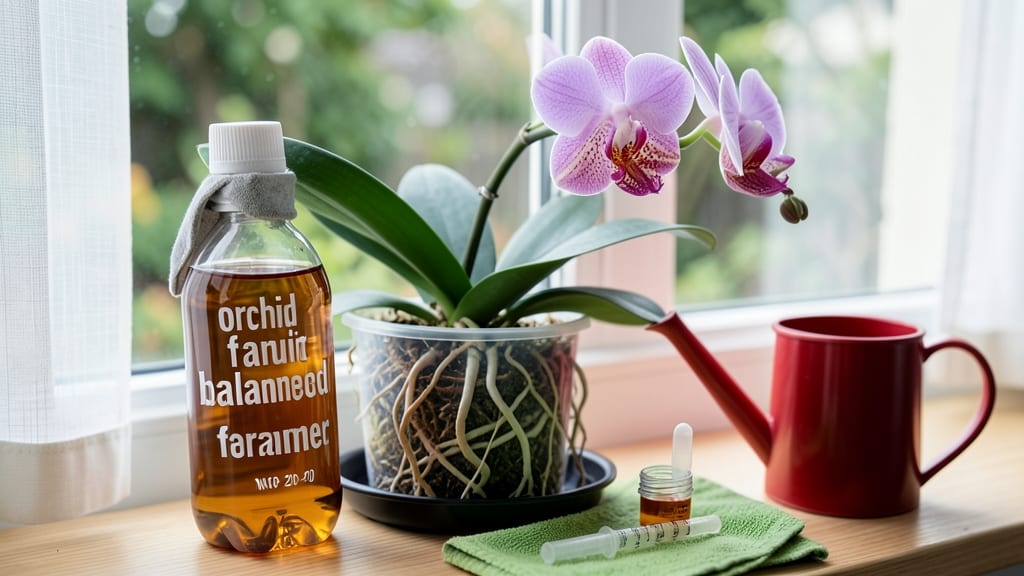
Fertilizing an orchid at the right time is the key to year-round blooms and lush growth — and getting it wrong can mean wilted leaves or missed flowers.
Picture this: you’ve just repotted your 🌸 orchid, excited for vibrant blooms, but months later, nothing. The problem? You fertilized during its dormant phase, when roots are resting, not feeding. Timing isn’t just helpful—it’s essential.
Orchids thrive when fertilized during their active growth cycles, typically in spring and fall, but the exact schedule depends on your plant’s type and season. A Phalaenopsis, for example, might need a boost in early spring, while Cattleyas respond better to summer feeding.
In this guide, I’ll break down the month-by-month schedule to maximize blooms, how to spot over- or under-fertilization, and when to pause feeding entirely—so your orchid stays healthy and stunning all year.
Best times to fertilize orchids by season: a month-by-month guide
Timing your orchid fertilization is like orchestrating a symphony—get it wrong, and your plants may miss their cues. Orchids thrive on a seasonal rhythm, with active growth phases in spring and fall, and dormancy periods in winter.
Understanding these cycles ensures your Phalaenopsis, Cattleya, or Dendrobium blooms year-round without stress. The key? Feed when roots are hungry but blooms aren’t yet ready to fade.
Most orchids follow a 12-month cycle, but their needs shift dramatically. For example, Phalaenopsis orchids (the classic "moth orchid") prefer spring and fall feeding, while Cattleya orchids may need a summer boost to support their dramatic blooms.
Even Dendrobium varieties have unique timing—some bloom in winter, others in spring. Below, we break down the month-by-month schedule to keep your orchids thriving.
Pro Tip: Always use a balanced orchid fertilizer (like 20-20-20 or 10-10-10) diluted to half-strength unless specified otherwise. Overfeeding is a common mistake that leads to burned roots or failed blooms. Now, let’s dive into the seasonal breakdown.
| Season | Months | Fertilization Schedule | Orchid Types | Key Notes |
|---|---|---|---|---|
| Spring | March, April, May | Every 2 weeks (start in March) | Phalaenopsis, Cattleya, Dendrobium | Pre-bloom feeding for new growth and spike development |
| Summer | June, July, August | Every 4 weeks (light feed) | All types | Reduce feeding to avoid overheating stress; focus on watering |
| Fall | September, October, November | Every 2-3 weeks (resume in September) | Phalaenopsis, Cattleya | Post-bloom feeding to replenish nutrients after flowering |
| Winter | December, January, February | Skip fertilization | All types | Orchids enter dormancy; feeding can burn roots in cooler temps |
Spring is your prime feeding window for orchids, especially in March and April, when roots are revving up for growth. Start fertilizing every 2 weeks with a balanced fertilizer to encourage new leaves and flower spikes.
For Phalaenopsis orchids, this is when they’ll begin producing those iconic moth-like blooms. If you notice yellowing leaves or slow growth, it’s a sign to increase frequency slightly—but never exceed every 2 weeks.
By May, shift to a bloom-boosting fertilizer (higher in phosphorus) if your orchid is prepping for a summer bloom. However, most orchids prefer a rest in late summer.
In June, July, and August, reduce feeding to every 4 weeks or skip entirely if your orchid looks stressed. High temperatures can lock out nutrients, so focus on watering deeply and providing humidity instead.
Fall brings a second chance for orchids to replenish nutrients after summer’s heat. Resume feeding in September, every 2-3 weeks, to support new root growth and pre-bloom spikes.
This is especially critical for Cattleya orchids, which often bloom in winter or early spring. Use a low-nitrogen fertilizer (like 10-30-20) to promote flowering rather than foliage.
Winter is orchid dormancy season, and feeding during this time is a common mistake that can damage roots. Skip fertilization entirely from December through February, even if your orchid still has green leaves. Instead, focus on watering lightly and keeping it in cooler temps (60-70°F).
If your orchid is blooming in winter (like some Dendrobium varieties), you can apply a very light feed (¼ strength) once—but only if the plant shows active growth.
One critical rule for all orchid types: Never fertilize a dormant orch
How to recognize orchid fertilization signals: leaves, roots, and blooms
Your orchid’s leaves, roots, and blooms send clear signals about whether it’s time to fertilize. Ignoring these cues can lead to stunted growth or even plant decline.
For example, yellowing leaves often indicate overfeeding, while slow root growth suggests it’s time to boost nutrients. Understanding these signs ensures your orchid thrives year-round.
Start by examining your orchid’s leaves. Healthy leaves are firm, vibrant green, and free of spots. If you notice yellow patches or brown edges, these could signal overfertilization or root rot.
In contrast, pale or limp leaves may mean your orchid needs nutrients to support new growth. Pay close attention to these visual cues—they’re your first clue about fertilization needs.
🌱
Next, check your orchid’s roots for signs of stress or health. Healthy roots should appear silver-green when dry and green when moist. If roots look black or mushy, this could indicate overwatering or overfertilization.
On the other hand, slow-growing roots or roots that remain dry and brittle may signal a need for fertilizer to encourage growth.
Your orchid’s blooms also provide critical signals. If your orchid fails to rebloom or produces only small, weak flowers, it might be starving for nutrients. Conversely, excessive flower spikes without proper root or leaf support can indicate overfertilization.
Balancing these signals helps you determine the right time to fertilize for optimal blooming.
⚠️ Warning: Overfertilizing in Winter Can Kill Your Orchid
Orchids enter a dormant phase in winter, typically from November to February. During this time, they don’t need fertilizer—they need rest. Applying fertilizer in winter can burn roots and stunt growth. Always check your orchid’s growth signals before fertilizing: if it’s not actively growing, skip the fertilizer.
To avoid common mistakes, fertilize only during your orchid’s active growth phases, which typically occur in spring and early fall. Use a balanced fertilizer (like 20-20-20) diluted to half-strength.
Apply it every 2-4 weeks during these periods, but always water thoroughly before and after to prevent root burn. This simple routine keeps your orchid healthy and blooming.
Finally, adjust your fertilization schedule based on your orchid’s specific type. For example, Phalaenopsis orchids (moth orchids) thrive with monthly feeding during growth, while Cattleya orchids may need a bloom booster in late summer. Observing your orchid’s unique signals ensures you’re fertilizing at the right time for its needs.
By paying attention to your orchid’s leaves, roots, and blooms, you’ll master the art of fertilization timing. This proactive approach keeps your orchid vibrant, healthy, and ready to bloom year after year.
🌿