
How To
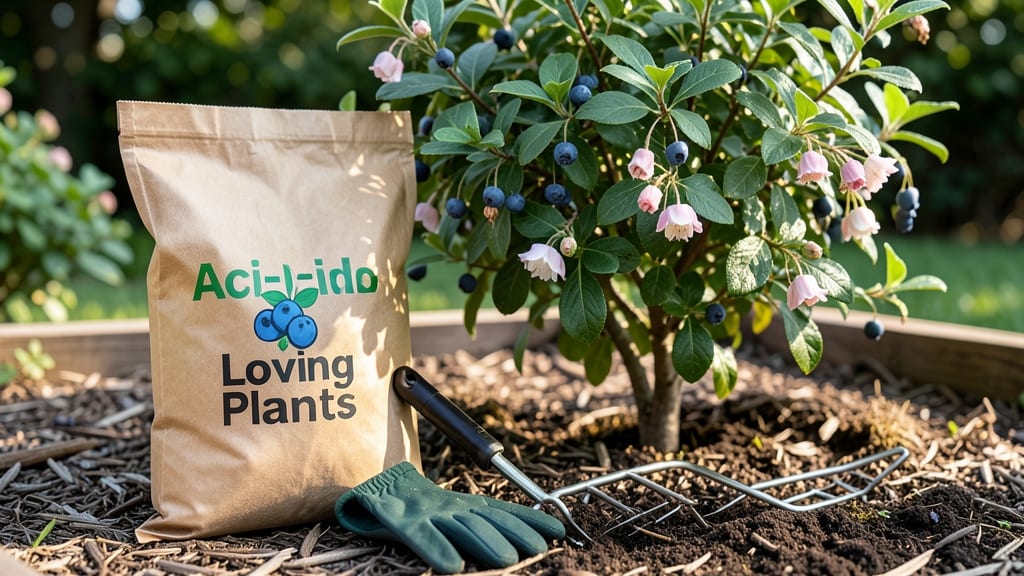
To fertilize blueberries at the right time means feeding them just before new growth starts in spring and again after harvest in summer—any other timing risks stunting fruit production or burning roots.
Picture this: You’ve spent months nurturing your 🫐 blueberry bushes, and now you’re staring at a harvest that’s smaller than expected—or worse, no berries at all.
The culprit? Fertilizer applied at the wrong moment. Timing isn’t just about when—it’s about why your plants need nutrients in early spring versus late summer.
In USDA Zone 6, where most home gardeners grow blueberries, the first feeding should happen 4-6 weeks before buds break in April. This jumpstarts root and shoot growth, setting the stage for a strong harvest.
But here’s the catch: Overdoing it in summer can trigger late-season growth that won’t harden off before frost, leaving your bushes vulnerable.
Below, I’ll break down the exact month-by-month schedule for new vs. established plants, the best fertilizers to use, and how to spot over-fertilization before it’s too late. No guesswork—just science-backed timing for blueberries that perform.
Best times to fertilize blueberries for strong new growth
Timing your blueberry fertilization in early spring is the key to unlocking vigorous growth and robust root development. When you fertilize at the right moment—between late winter and early spring—you give your bushes the nutrients they need to break dormancy and produce lush foliage before flowering.
This is especially critical for acid-loving blueberries, which thrive when soil pH is between 4.5 and 5.5.
Most gardeners make the mistake of fertilizing too early, when the ground is still frozen, or too late, just as buds begin to swell. The ideal window is 4-6 weeks before your last frost date, typically in March or early April in most U.S. growing zones.
For example, in Zone 6, that means fertilizing in late March to ensure nutrients are available as new growth emerges.
Here’s why early-season fertilization works: Blueberries are heavy feeders during their active growing phase, and roots need phosphorus and potassium to establish before the plant shifts energy to flowering and fruiting.
A balanced fertilizer with equal parts nitrogen, phosphorus, and potassium (like 10-10-10) is ideal, but acid-loving plant formulas (such as 12-4-8) are even better for maintaining soil acidity.
| Timing | Task | Fertilizer Type | Soil pH Check |
|---|---|---|---|
| Late Winter (Feb-Mar) | Test soil pH | None | 4.5-5.5 (adjust with sulfur if needed) |
| Early Spring (Mar-Apr) | Apply balanced fertilizer (10-10-10) | Slow-release organic or synthetic | Recheck after fertilizing |
| Pre-Bloom (Apr-May) | Side-dress with compost | Compost or aged manure | Maintain acidity with pine needles |
| Bud Break (May) | Light top-dressing | Low-nitrogen fertilizer (e.g., 12-4-8) | Monitor for nutrient burn |
If you’re using organic fertilizers, like composted manure or fish emulsion, apply them a bit earlier—around late February—since they release nutrients more slowly. Synthetic fertilizers, on the other hand, can be applied closer to bud break (early April) for a quicker nutrient boost.
The key is to avoid fertilizing once flowers appear, as excess nitrogen can lead to leafy growth at the expense of fruit.
For newly planted blueberries, focus on building soil health rather than heavy fertilization. In their first year, a light application of compost or worm castings in early spring is sufficient.
Over-fertilizing young plants can damage tender roots and cause nutrient burn. Instead, prioritize mulching with pine straw to maintain soil acidity and retain moisture.
Don’t forget to water deeply after fertilizing to help nutrients penetrate the soil. Blueberries have shallow roots, so a 1-inch deep watering within 24 hours of applying fertilizer ensures the nutrients reach where they’re needed. Pair this with morning watering to reduce evaporation and fungal risks.
One common mistake is skipping soil pH tests before fertilizing. Blueberries cannot absorb nutrients properly if the soil pH is too high (alkaline). If your soil pH is above 5.5, amend it with elemental sulfur or peat moss 2-3 months before fertilizing.
This gives the soil time to acidify naturally before you introduce nutrients.
For established bushes, split your early-season fertilization into two applications: the first in late winter (when soil is workable) and the second in early spring (just before buds swell). This two-step approach mimics natural nutrient release and prevents sudden spikes that can stress the plant.
Pair it with a 3-inch layer of mulch to lock in moisture and regulate soil temperature.
Remember, the goal of early-season fertilization is to promote root and shoot growth, not fruit production. Save heavier feeding for post-harvest to prepare the plant for next year’s crop.
By following this science-backed timing, you’ll set your blueberries up for a season of lush foliage, strong stems, and bountiful harvests.
When to fertilize blueberries for fruit production (and what to avoid)
Summer fertilization is where blueberry bushes make their next year’s fruit production promise—or fail. After your June-August harvest, your bushes need nutrients to rebuild energy for flower buds that’ll become next summer’s crop.
But timing matters: fertilize too early, and you risk overstimulating growth that won’t harden off before winter. Too late, and your bushes won’t recover in time.
Most gardeners focus on spring feeding, but the post-harvest window (late July to early August) is just as critical. This is when you should apply a balanced fertilizer (like 10-10-10) or an acid-loving plant blend (12-4-8) to replenish nutrients without encouraging tender new growth that frost can damage.
Think of it as a nutrient recharge for the roots to store for next season’s fruit.
⚠️ Critical Mistake: Fertilizing During Flowering
Never fertilize when your blueberries are in full bloom (April-May). Excess nitrogen during this phase diverts energy from fruit set to leafy growth, resulting in smaller berries or even flower drop. The same rule applies if you notice new shoots sprouting in late summer—wait until dormancy begins before feeding again.
For established bushes (3+ years old), split your summer feeding into two light applications: the first right after harvest (late July) and the second in early September. Use half the recommended dose each time—think of it as a slow trickle of nutrients rather than a heavy dose.
Younger plants (1-2 years) need even less: a single light feeding in August is plenty to support root development without overwhelming them.
Organic options like cottonseed meal or fish emulsion work well in summer because they release nutrients gradually, reducing the risk of burning roots. Avoid synthetic fertilizers with high nitrogen (like 30-0-0) unless you’re testing soil and confirm your bushes need it.
A simple soil test in early summer will tell you if your pH (4.5-5.5) or nutrient levels are already optimal.
Watch for signs your bushes are over-fertilized: yellowing leaves, excessive leaf growth with few flowers, or burnt root tips. If you see these, flush the soil with water and hold off on feeding until next spring.
The goal is to support fruit production, not create a leafy monster that won’t bear next year.
In USDA Zone 6 (like much of the Midwest), aim to finish all summer feedings by mid-September. This gives your bushes time to harden off before winter, with stored nutrients ready to fuel next year’s flowering and fruiting.
Skip fall fertilization entirely—it encourages tender growth that won’t survive frost.