
How To
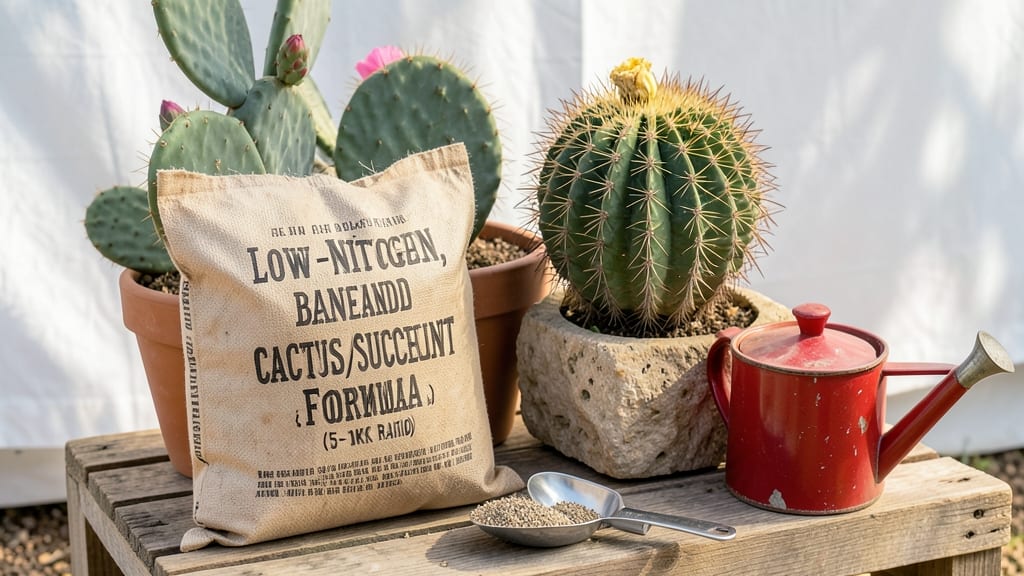
Fertilizing your cactus at the wrong time can stunt its growth or even kill it—so knowing when to fertilize cactus is the difference between a thriving 🌵 and a sad, shriveled plant.
Most gardeners make the mistake of feeding their cacti in winter, when they’re dormant, or in scorching summer months, when they’re conserving energy. The truth? Timing matters more than the type of fertilizer you use.
In this guide, I’ll walk you through the best seasons to fertilize your cactus—spring and fall—and how to spot the signs that your plant is ready for a boost. You’ll also learn how to avoid over-fertilizing and keep your desert beauty happy year-round.
Whether you’re a beginner or a seasoned plant parent, these seasonal cues will help you fertilize like a pro and watch your cactus flourish.
Best seasons to fertilize cactus for optimal growth
Timing your cactus fertilization is everything—too early or late, and you risk stunting growth or burning delicate roots.
Unlike most plants, cacti thrive on a two-season feeding schedule aligned with their natural dormancy cycles. Spring and fall are your golden windows, but climate zones and species types (like blooming cacti vs. desert varieties) shift the exact timing.
Even a slight misstep can mean the difference between vibrant blooms and sad, yellowing pads.
Most gardeners make the mistake of fertilizing in summer when their cacti are already stressed by heat. Desert species like saguaros need zero feedings during peak heat (May-September), while succulents like echinopsis might tolerate light spring feedings.
The key is watching for growth signals: new spines, swollen pads, or flower buds signal it's time to feed. Ignore these cues, and you'll likely over-fertilize during dormancy.
In USDA Zone 9b (like Phoenix), I start fertilizing my cacti in early March when daytime temps hit 70°F consistently. This aligns with when my mammillaria and echinopsis begin pushing new growth. The key is to dilute fertilizer to half-strength—even desert species can scorch with concentrated feedings.
For blooming cacti like notocactus, I switch to a phosphorus-heavy blend (5-10-10) in late summer to encourage flowers.
Northern gardeners in Zone 5-7 should delay until May when soil temps reach 65°F. Cold snaps can shock roots, so always check soil moisture first—dry soil means your cactus is ready for fertilizer, while damp soil signals it's still dormant.
I test by sticking my finger 2 inches deep; if it comes out clean, it's time to feed. Pro tip: Morning feedings prevent salt buildup from evaporating onto pads.
Watch for these three growth signals that your cactus is ready for fertilizer: new spine growth, swollen pads, or flower buds. My saguaro in the backyard never blooms when I skip fall feedings—it needs that September boost to set buds for spring.
Even desert species like ferocactus respond to light fall feedings if they're in containers (they dry out faster than in-ground plants).
One common mistake is fertilizing in summer heat. When temps exceed 90°F, your cactus is already stressed—adding fertilizer just burns roots. I learned this the hard way with my opuntia turning yellow after a July feeding.
Now I wait until September when evenings cool slightly. For container cacti, I reduce fertilizer by 50% since they dry out faster and absorb nutrients quicker.
Organic fertil
How often to fertilize cactus by type (succulents vs. desert species)
Not all cacti need fertilizing with the same frequency—some thrive on monthly feedings, while others only need a boost twice a year. The key difference lies in whether your cactus is a succulent-type (like Echeveria) or a desert species (like Saguaro).
Succulents often bloom and grow faster, demanding more nutrients, while desert natives prefer minimal, slow-release nourishment to mimic their natural environment.
Your cactus's growth rate and blooming habits are the best indicators of when it's time to fertilize. For example, Christmas cacti (a succulent) may need feeding every 4-6 weeks during their active growing season, while a prickly pear (desert species) might only require two light feedings per year.
Always use a low-nitrogen fertilizer (like 2-7-7) to avoid burning delicate roots.
If you're using organic fertilizers, like worm castings or fish emulsion, apply them sparingly—these break down slowly and can over-fertilize if overused. For synthetic fertilizers, always dilute to half-strength unless the label specifies otherwise.
A good rule of thumb is to fertilize only when you see new growth, as this signals your cactus is ready for nutrients.
For potted cacti, flush the soil with water every 3-4 months to prevent salt buildup from fertilizers. Desert species, in particular, are sensitive to excess salts, which can cause root burn and stunted growth.
If your cactus is in the ground, top-dress with a thin layer of compost instead of liquid fertilizer to avoid overfeeding.
Remember, less is more when it comes to cactus fertilization. Many gardeners make the mistake of feeding too frequently or using high-nitrogen fertilizers, which can lead to soft, mushy pads or even death. Stick to the seasonal schedule and watch your cactus thrive without the risk of over-fertilization. 🌵