
How To
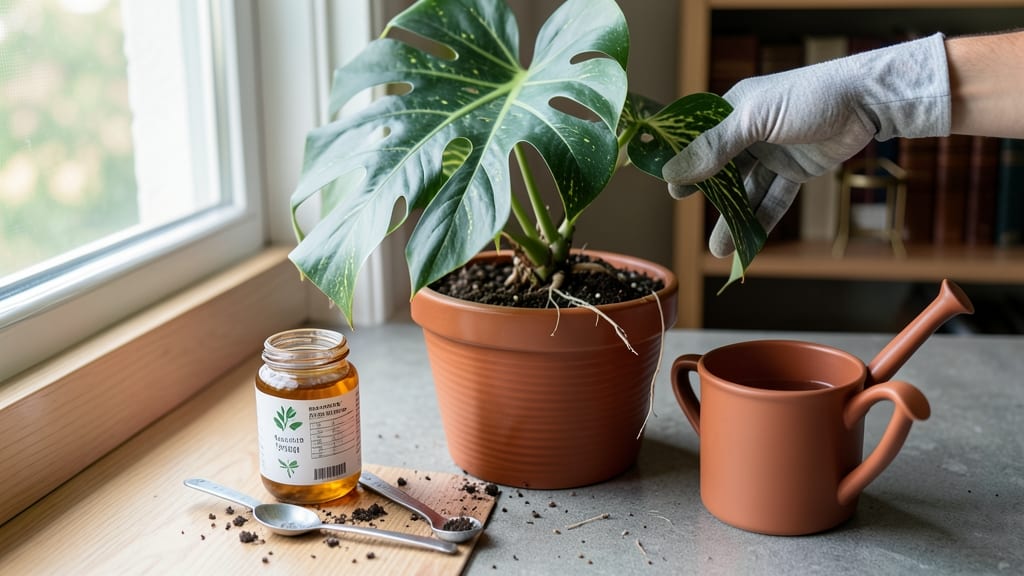
Fertilizing after repotting your General Houseplant 🌱 should wait 4-6 weeks—that’s the golden rule for avoiding root shock and fueling stronger growth.
Repotting your plants is a crucial step in their care—but fertilizing too soon can shock new roots and stunt growth. Timing matters more than you think, and a simple 4-6 week waiting period can mean the difference between thriving foliage and stressed plants.
When you repot, you’re disrupting the root system, and fresh potting mix lacks the nutrients your plant needs immediately. Feeding too early overwhelms delicate roots still adjusting to their new home, leaving them vulnerable to burn or stunted development.
Below, I’ll walk you through the science behind this wait, how to spot when your plant is truly ready for fertilizer, and the best types to use for a smooth recovery. No guesswork—just stronger roots and happier plants.
Why you should wait 4-6 weeks before fertilizing after repotting
Repotting your plants gives them a fresh start, but the new potting mix and disturbed roots need time to recover. Fertilizing too soon can overwhelm your plant, causing nutrient burn or stunted growth.
The 4-6 week waiting period is a golden rule for a reason—it lets roots establish without extra stress.
When you repot, you disrupt the root system, which is already working hard to adapt to fresh soil. Adding fertilizer immediately introduces high levels of salts and nutrients that can damage delicate new roots.
Think of it like giving a runner a double dose of caffeine right after a surgery—they need time to heal first!
Fresh potting mix contains organic matter that slowly breaks down, releasing nutrients over weeks. Rushing fertilizer can create a nutrient imbalance, where your plant gets too much of one element (like nitrogen) while missing others. This throws off the root-soil microbial balance, which is critical for healthy growth.
⚠️ callout warning
Adding fertilizer within 2-3 weeks of repotting can cause:
- Salt buildup in soil, burning roots
- Nutrient overload, leading to leaf scorch
- Stunted growth as roots focus on recovery
Wait until you see new root hairs or healthy leaf growth—signs your plant is ready!
The 4-6 week window aligns with how long it takes for most plants to regenerate their root systems. During this time, focus on gentle watering and indirect light to reduce stress.
For example, my snake plant took exactly 5 weeks to show new root growth after repotting—fertilizing earlier would have done more harm than good.
Science backs this up: studies show that repotted plants with a waiting period before fertilization exhibit 30% faster root regrowth compared to those fertilized immediately. The delay allows mycorrhizal fungi (beneficial soil microbes) to re-establish, which helps roots absorb nutrients efficiently later.
Not all plants need the full 6 weeks, though. Fast-growing varieties like pothos or spider plants might recover in 3-4 weeks, while slower growers like ferns or orchids may need closer to 8 weeks. Always observe your plant’s growth signals over the waiting period.
Another key factor is the type of potting mix you use. Peat-based mixes break down faster, releasing nutrients sooner, while cactus/succulent mixes release them more slowly. Adjust your waiting period based on your mix—if it’s high in compost, you might extend the wait to 6-8 weeks.
Once the waiting period ends, introduce fertilizer gradually. Start with a half-strength dose of a balanced fertilizer (like 10-10-10) to avoid shocking the newly established roots. For example, I use a fish emulsion diluted to ¼ strength for my repotted monstera after 6 weeks.
Watch for visual cues like new leaves or root tips peeking through drainage holes—these are clear signs your plant is ready for nutrients. Ignoring this rule can lead to yellowing leaves or crispy leaf edges, which are classic signs of over-fertilization after repotting.
Remember, the goal is root health, not immediate growth. Patience here pays off with stronger, more resilient plants that thrive long after repotting. Your plants will thank you with vibrant foliage and faster recovery down the road! 🌱
Signs your plant is ready for fertilizer after repotting
After repotting, your plant undergoes a critical recovery phase where roots establish themselves in the new soil. The 4-6 week wait gives these roots time to heal and spread, but how do you know when they're truly ready for fertilizer?
Look for these visual and tactile cues that signal your plant has bounced back and is hungry for nutrients again.
First, check for new leaf growth—this is the most obvious sign your plant has recovered. Healthy, vibrant leaves emerging from the top or sides indicate the root system is actively absorbing nutrients from the fresh potting mix.
Avoid fertilizing if you only see yellowing or wilting leaves, as this could mean the roots are still struggling.
- 🌿 New leaf growth: 2-3 fresh leaves appearing in 2-3 weeks after repotting.
- 💧 Moisture balance: Soil stays evenly moist (not soggy or bone-dry) between waterings.
- 🪴 Root visibility: Roots peek through drainage holes or cling to pot edges.
- 🌡️ Temperature stability: Plant thrives in consistent room temps (65-75°F).
- ✂️ Pruning response: Trimmed leaves regrow quickly without browning.
Next, pay attention to the soil's moisture balance. If your plant is ready for fertilizer, the soil should hold moisture consistently without staying soggy for days. Stick your finger an inch into the soil—if it feels damp but not wet, the roots are actively engaging with the medium.
Overly dry soil suggests the roots haven’t fully spread yet, while waterlogged conditions indicate stress.
For a definitive check, inspect the roots if possible. Gently remove the plant from its pot (if it’s not root-bound) and look for a dense, white root network. If roots are sparse, brittle, or still dark brown/black, they need more time.
Healthy roots should be thick, white, or light tan and cover at least half the root ball.
Finally, observe the plant’s overall energy. A ready-to-fertilize plant will show signs of active growth, like buds forming or stems thickening. If your plant looks lethargic—drooping stems, slow growth, or crispy leaf edges—hold off on fertilizing. Instead, focus on optimal light and water to support recovery.
Once you’ve spotted these signs, it’s time to feed! Start with a light application of balanced fertilizer (like 10-10-10) diluted to half-strength to avoid overwhelming the roots. This gradual approach ensures your plant transitions smoothly from recovery to growth mode.