
Plants
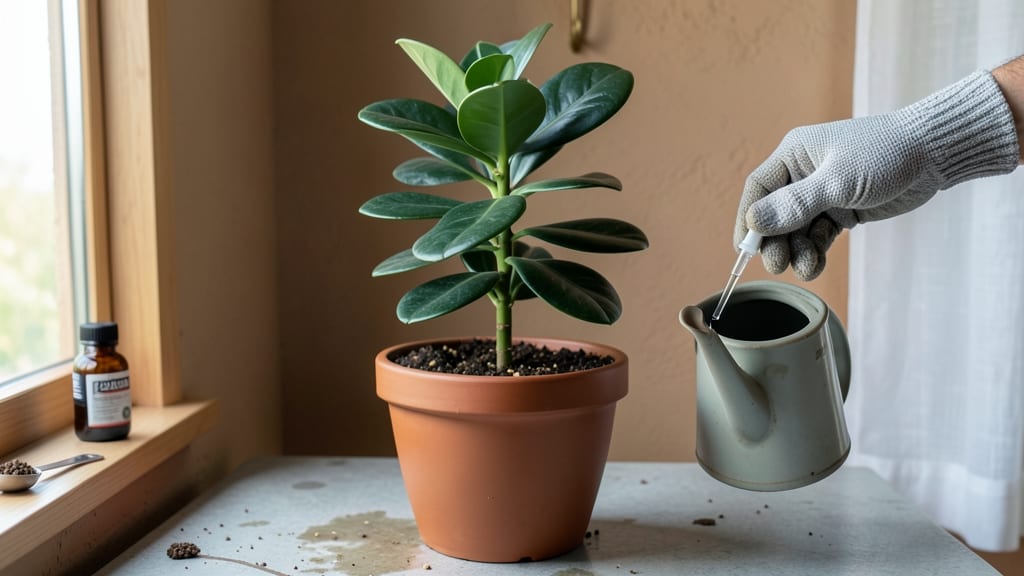
Fertilizing your ZZ plant in early spring kickstarts its growth without risking root burn—timing is everything for this hardy but low-maintenance houseplant.
You might assume your ZZ plant 🌿 doesn’t need much, and you’d be right—but that doesn’t mean it hates a little extra love. The key is feeding it only when it’s actively growing, which for most ZZ plants means late winter through early summer.
Skip the fertilizer in fall and winter, when the plant slows down to conserve energy.
Overdo it, and you’ll turn those glossy leaves into crispy caution tape. Underdo it, and you’ll miss out on the lush, deep-green growth your ZZ is capable of.
Below, I’ll break down the exact months to fertilize, the right type of fertilizer to use, and how to tell if your plant is begging for nutrients—or begging for you to stop.
Whether you’re growing yours indoors or outdoors in USDA Zone 6a, these tips will keep your ZZ thriving with minimal effort. Let’s get started.
Best months to fertilize ZZ plants for optimal growth
ZZ plants are famously low-maintenance, but their growth cycles still follow natural seasons. Fertilizing at the wrong time can stress your plant instead of helping it thrive. The key is timing it with your ZZ plant’s active growth phase, which aligns with spring and early summer.
This is when your plant naturally stores energy in its rhizomes and pushes out fresh leaves.
Winter fertilization is a common mistake that can lead to root burn. During the colder months, your ZZ plant enters a dormant phase, slowing down its growth and nutrient absorption. Feeding it then forces unnecessary stress, especially if your plant is already in a low-light environment.
For indoor ZZ plants, the timing stays the same, but the cues are slightly different. Since indoor conditions are more stable, watch for new leaf growth as a sign your plant is ready for nutrients.
Outdoor ZZ plants, however, may need adjustments based on your local climate—cooler regions might extend the feeding window into late spring.
Your ZZ plant will show you when it’s ready for nutrients. Look for new leaf growth or pale, slow-growing leaves as signals it’s time to feed. If your plant’s leaves are already vibrant and healthy, hold off on fertilizing—it’s storing enough nutrients in its rhizomes to last through slower months.
For outdoor ZZ plants, adjust based on your climate. In warmer regions, you might extend feeding into early fall, but always stop by October to let the plant prepare for dormancy.
Indoor ZZ plants, however, don’t experience seasonal changes as dramatically, so stick to the spring-summer feeding window regardless of the calendar.
If you’re unsure whether your ZZ plant needs fertilizer, perform a simple soil check. Stick your finger about an inch into the soil—if it’s completely dry, your plant might benefit from a light feed.
However, if the soil still has moisture, wait until it’s drier before fertilizing to avoid root burn.
One of the biggest mistakes I see is over-fertilizing in late summer. As temperatures rise, your ZZ plant’s growth naturally slows, and excess nutrients can build up in the soil, leading to leaf tip burn.
Always reduce feeding frequency as you approach fall and winter, even if your plant still looks healthy.
Pro tip: If your ZZ plant is in a small pot, it will need more frequent feeding—every 6-8 weeks—because nutrients deplete faster in limited soil.
Larger pots, however, can go longer between feedings since they hold more nutrients. Always use a well-draining potting mix to prevent salt buildup from fertilizers.
Remember, ZZ plants are survivors. They
How to choose the right fertilizer and avoid common mistakes
ZZ plants are famously low-maintenance, but even they need the right fertilizer type and application timing to avoid stress. The #1 mistake I see? Overdoing it with synthetic fertilizers—especially in winter when your plant is dormant. Let’s break down the best options and how to use them safely.
For ZZ plants, I recommend either a balanced liquid fertilizer (like 10-10-10) or a slow-release organic option. The key difference? Liquid fertilizers give quick nutrients but require precise dilution, while slow-release granules feed your plant steadily over months.
Both work, but your choice depends on your watering routine and patience level.
⚠️ PROS-CONS BOX: Fertilizer Choices for ZZ Plants
Pros: Fast nutrient delivery, easy to adjust strength
Cons: Requires frequent application, risk of leaf burn if overused
Pros: Low maintenance, steady nutrient flow
Cons: Harder to adjust, may over-fertilize if not monitored
Pros: Improves soil structure, gentle on roots
Cons: Slower nutrient release, may need top-ups
Pros: Precise nutrient ratios, fast results
Cons: Can cause salt buildup, requires flushing
When applying liquid fertilizer, I always dilute to half-strength—ZZ plants are sensitive to salt buildup. For a 6-inch pot, use just ¼ tsp of fertilizer, while a 1-gallon pot gets ½ tsp.
Mix it into your watering can and apply it to the soil, avoiding the leaves entirely. This prevents fertilizer burn, which looks like brown, crispy edges on leaves.
Organic options like worm castings or fish emulsion are my top picks for ZZ plants because they mimic natural soil conditions. These fertilizers release nutrients slowly, reducing the risk of overfeeding.
If you choose organic, apply it once in early spring and again in mid-summer, mixing it lightly into the top inch of soil.
Never fertilize a ZZ plant in winter or fall—this is when the plant enters dormancy and stops actively growing. Feeding during these months forces the plant to use energy it doesn’t have, leading to stress.
Instead, wait until you see new growth in late winter or early spring as your cue to start fertilizing again.
One final tip: If your ZZ plant’s leaves start turning yellow or developing brown tips, it’s a clear sign of over-fertilization. Flush the soil immediately by watering thoroughly until water runs out the drainage holes. This removes excess salts and gives your plant a chance to recover.