
How To
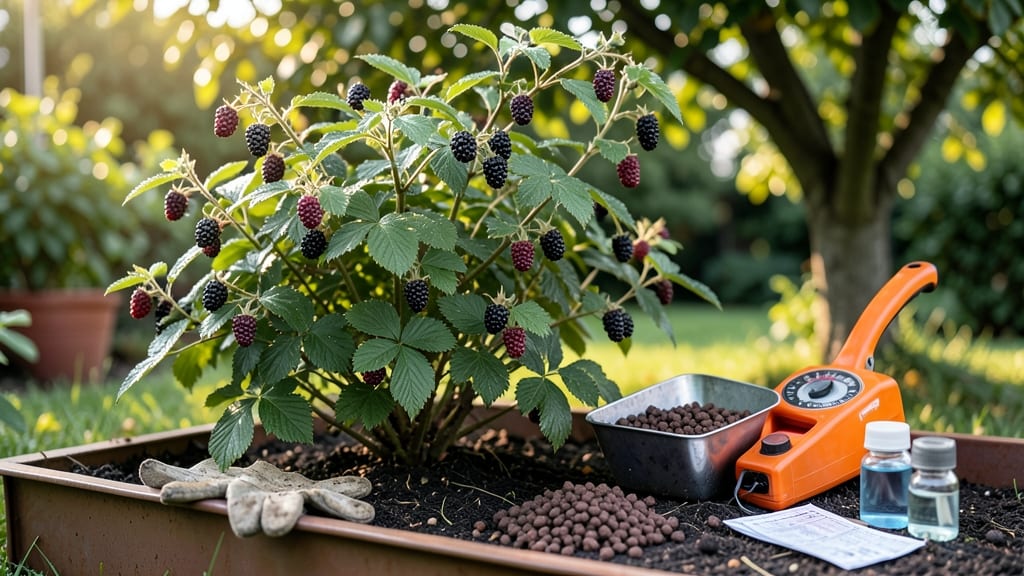
To fertilize black raspberries at the right time means feeding them just as new growth starts — usually late March or early April in most regions — and again after harvest to prep for next year.
Picture this: you’ve spent months nurturing your 🍇 black raspberry canes, only to watch them struggle with weak fruit or leggy stems. The fix isn’t more water or pruning—it’s timing your fertilizer like a pro. Too early, and you waste nutrients; too late, and your harvest suffers.
Spring is all about kickstarting growth with a light feed right before buds swell, while summer demands a stronger boost to support heavy fruiting. Then, after harvest, a strategic late-season feed rebuilds canes for winter resilience. Skip these steps, and you’ll end up with half the berries—or none at all.
Below, I break down the exact schedule for spring, summer, and post-harvest fertilization, plus the best organic and synthetic options to keep your black raspberries thriving year after year.
Best spring fertilization timing for black raspberry canes
Spring is the critical window for black raspberry fertilization, but timing matters just as much as the fertilizer type. Applying nutrients too early can burn delicate roots, while waiting too long may stunt cane growth and fruit development.
The key is aligning fertilization with your plant’s natural growth stages—pre-bud break for root stimulation and post-bud break for foliage and fruit support.
Black raspberries thrive in well-amended soil with a pH between 5.5 and 6.5. Before fertilizing, I always test my soil to check for deficiencies in nitrogen, phosphorus, or potassium.
A simple at-home kit costs less than $20 and saves you from over-fertilizing, which can lead to salt buildup and root damage. Organic options like composted manure or bone meal are excellent for building soil health over time.
Here’s the science-backed breakdown of when and how to fertilize your black raspberries in spring, tailored to maximize cane strength and fruit production:
For pre-bud break fertilization (typically late March to early April in Zone 6a), I use a light application of 10-10-10 or organic compost spread 3–4 inches away from the cane base.
This timing encourages root development without overstimulating top growth. Think of it as a gentle wake-up call for your raspberries—just enough to get them ready for the growing season ahead.
Once buds appear (usually late April to early May), switch to a full-strength feed every 4–6 weeks. I prefer a balanced fertilizer like fish emulsion or a 10-10-10 granular mix, applied in the early morning when the soil is moist but not soggy.
This supports leaf expansion and fruit formation, ensuring your canes have the energy to produce those sweet, juicy black raspberries.
Organic gardeners often swear by manure teas or composted worm castings during this stage. These options not only provide nutrients but also improve soil structure and encourage beneficial microbial activity.
If you’re using synthetics, opt for slow-release pellets to avoid nutrient spikes that can harm your plants. Always water thoroughly after applying fertilizer to prevent root burn.
One common mistake I see is over-fertilizing nitrogen in spring, which leads to lush foliage but fewer berries. Black raspberries need a balanced approach—too much nitrogen delays fruiting, while too little phosphorus or potassium weakens the canes.
Aim for a 10-10-10 ratio or adjust based on your soil test results. For example, if your test shows low phosphorus, switch to
Post-harvest fertilization schedule to strengthen canes for next year
After harvesting your black raspberries in mid-to-late summer, your plants need a strategic post-harvest boost to prepare for winter. This 6-8 week window (typically August-September) is critical for cane strength and root development. Skipping this step weakens canes, making them vulnerable to winter dieback and reducing next year's yield.
Focus on potassium-rich fertilizers (like 0-10-10) to rebuild energy reserves and phosphorus (5-10-10) to stimulate root growth. Organic options like bone meal or composted manure work well too. Avoid nitrogen-heavy feeds—these promote leafy growth at the wrong time.
⚠️ WARNING: Timing is Everything ⚠️
- Too Late: Applying fertilizer after September 1st can stimulate tender new growth that won't harden before frost.
- Wrong Ratio: High nitrogen now causes suckering instead of root strengthening.
- Over-Feeding: Excess salts from fertilizers can burn roots before dormancy.
🌱 Pro Tip: Test soil first—ideal pH is 5.5-6.5 for black raspberries.
Start with a light application (¼ cup per plant) of a low-nitrogen fertilizer like 5-10-10 or 0-0-50. Work it into the top 2-3 inches of soil around the drip line, not the base. This encourages deep root growth where it's needed most for winter survival.
Combine fertilization with mulching—add 2-3 inches of straw or wood chips to insulate roots and retain moisture. Avoid synthetic mulches that can mat down and suffocate canes. Water deeply after applying fertilizer to help nutrients leach into the soil.
Monitor your plants for signs of stress like yellowing leaves or stunted growth. If you see these, reduce fertilizer amounts by half. The goal is to strengthen canes, not force new growth.
By late September, your black raspberries should enter dormancy with thicker canes and healthier roots ready for winter.
This post-harvest care pays off big next season—expect 20-30% larger canes and earlier fruiting in spring. It's the secret to long-term raspberry success that most gardeners overlook. 🌿