
Companion Plants
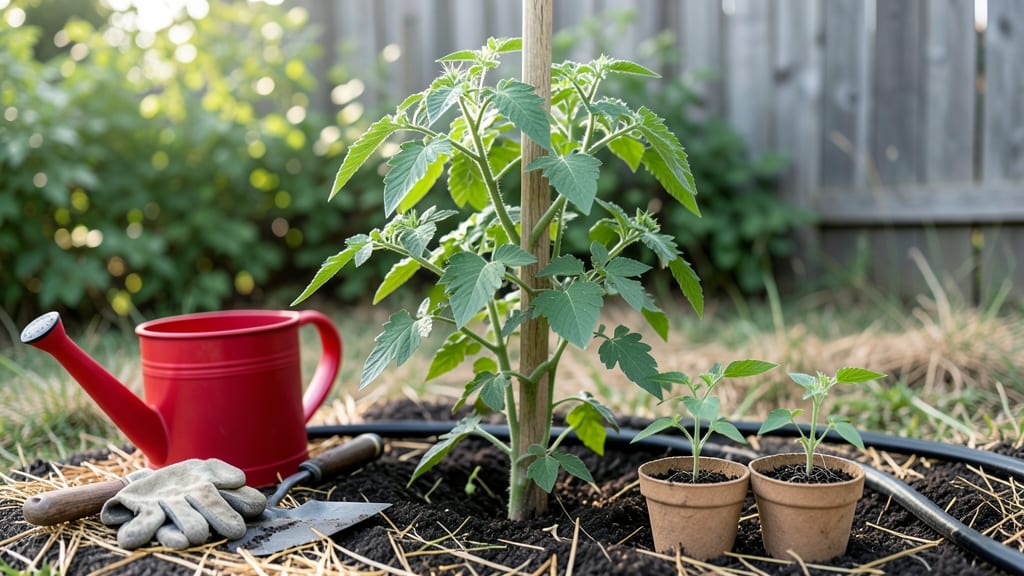
You should plant tomatoes in Florida between February and April for spring harvests and again in July and August for fall yields—timing that avoids frost risk and maximizes sweet, sun-ripened 🍅 fruit.
Florida’s long growing season is a gardener’s dream, but planting at the wrong time can mean wasted effort—whether from early frost in North Florida or heat stress in summer.
The key is matching your zone’s frost-free window (which varies wildly from 8A in the Panhandle to 10B in the Keys) with soil temperatures that trigger germination.
Below, I break down the exact months for each Florida region, how to prep soil for zero-frost-risk harvests, and the heat-tolerant varieties that thrive when others fail.
You’ll also discover how to stretch your season with row covers, avoid the 5 biggest planting mistakes Florida gardeners make, and pick the perfect transplant size for your zone.
Florida’s 3 climate zones & their perfect tomato planting windows
Florida’s three distinct climate zones create unique opportunities for growing tomatoes year-round. Unlike northern states, you won’t face harsh winters—but timing still matters to avoid heat stress, pests, and inconsistent yields.
The key? Planting when soil temperatures hit 60°F+ and aligning with your zone’s frost-free windows. Let’s break down the exact months for each zone to maximize your harvest.
North Florida (Zones 8A/8B) has the shortest frost-free season, while South Florida (Zone 10A/10B) offers nearly year-round growing. Central Florida (Zones 9A/9B) sits in the middle, with two ideal planting windows: spring and fall.
The difference between these zones can mean the difference between a bountiful harvest and a struggling plant. For example, planting in July in North Florida risks heat stress, while January planting in South Florida is perfectly safe.
Here’s the science-backed breakdown of when to plant tomatoes in each zone, including soil temperature requirements, frost-free dates, and the best varieties for each region. Use this as your planting calendar to avoid common mistakes like overcrowding seedlings or ignoring soil warmth.
Key Rule for All Zones: Wait until the soil temperature reaches at least 60°F (measured 4-6 inches deep) before planting. Use a soil thermometer—this is more critical than air temperature. Cold soil delays germination and weakens seedlings. In Florida, this usually aligns with after the last frost, but South Florida rarely sees frost, so timing shifts to avoiding extreme heat.
For North Florida gardeners (Zones 8A/8B), focus on spring planting in February–March and fall planting in July–August. This aligns with the last frost date (mid-January) and avoids the first frost (early December).
Start seeds indoors 6–8 weeks before the last frost date to give seedlings a head start. In Central Florida (Zones 9A/9B), you can plant as early as January for a spring harvest or August for fall. The mild winters here mean fewer risks, but still monitor soil temperatures.
South Florida (Zone 10A/10B) is the most flexible, with year-round planting possible. However, avoid planting in peak summer (June–July) when temperatures exceed 90°F—this causes blossom drop and poor fruit set.
Instead, opt for heat-tolerant varieties like 'Solar Fire' or 'Heatmaster' and plant in May–June for a fall harvest. Even in the south, soil temperature is critical: aim for 65°F+ for best germination.
Pro Tip: Use row covers in North Florida during early spring to protect seedlings from late frosts or cold snaps. In Central and South Florida, shade cloth (30–50%) can help during peak summer heat (June–August).
This simple trick can increase yields by 30–50% by reducing stress on your plants. Always remove covers when flowers appear to ensure pollination.
One common mistake is planting too early in North Florida or too late in South Florida. For example, planting in
How to extend your tomato harvest season in Florida (year-round tips)
Florida’s warm climate lets gardeners enjoy tomatoes almost year-round, but seasonal shifts and temperature swings can disrupt harvests. The key to continuous yields? Strategic planting and protective structures. Whether you’re battling summer heat or winter chills, these methods will keep your tomato plants productive.
For fall and winter harvests, focus on cold-hardy varieties like 'Celebrity' or 'Roma' paired with row covers or mini greenhouses. In summer, heat-tolerant types such as 'Solar Fire' or 'Heatmaster' thrive under Florida’s blazing sun. Let’s break down the exact steps to extend your harvests.
- 🌡️ Winter (Dec-Feb): Use row covers or cold frames to protect plants. Start seeds indoors in January for February transplanting. Ideal varieties: 'Mountain Merit' or 'Stupice'.
- 🌞 Spring (Mar-May): Plant heat-tolerant varieties like 'Solar Fire' after last frost (February-March). Succession plant every 2-3 weeks for continuous harvests.
- ☀️ Summer (Jun-Aug): Focus on shade cloth (30-50%) to prevent sunscald. Water deeply in the morning to avoid fungal diseases. Best varieties: 'Heatmaster' or 'Sunmaster'.
- 🍂 Fall (Sep-Nov): Plant early-maturing varieties like 'Early Girl' or 'Better Boy' in July-August for fall harvests. Use mulch to retain soil warmth.
- 🌿 Year-Round Tip: Succession planting every 3-4 weeks ensures a steady supply. Combine with companion plants like basil or marigolds to deter pests.
To maximize fall and winter production, invest in a low tunnel or cold frame. These structures trap heat and protect plants from light frosts (common in North Florida).
For example, a 4-foot-tall cold frame can raise soil temperatures by 10-15°F, extending the growing season by 4-6 weeks.
For summer planting, prioritize drought-resistant varieties and mulch heavily to conserve moisture. Drip irrigation systems work best in Florida’s heat, delivering water directly to the roots while reducing evaporation. Avoid overhead watering, which can spread fungal diseases like early blight.
Pro tip: Prune aggressively in summer to improve airflow and reduce heat stress. Remove suckers (side shoots) weekly and trim lower leaves to keep the plant focused on fruit production. This method boosts yields by 20-30% in high-heat conditions.
Finally, rotate your planting locations yearly to prevent soil-borne diseases and pest buildup. Florida’s humid climate accelerates these issues, so crop rotation is non-negotiable. Pair tomatoes with nitrogen-fixing plants like beans or clover to replenish soil nutrients naturally.