
Planting
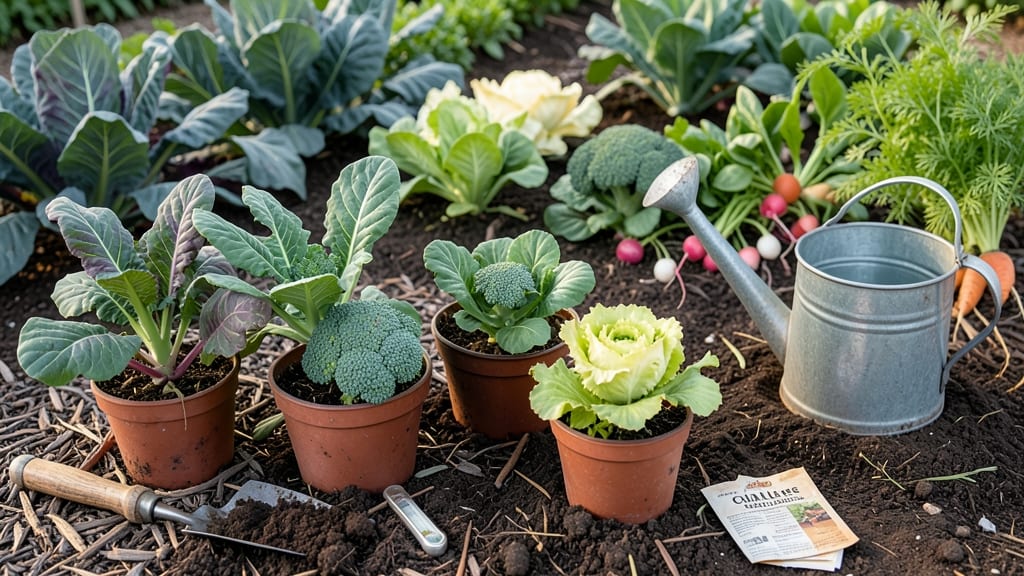
Should you plant a fall garden in Texas depends on when the heat lets up and the first frost looms — usually between mid-August and early October, but the exact timing shifts from North to South Texas.
Texas gardeners know timing is everything—plant too early, and your fall crops face scorching heat; too late, and frost ruins your harvest. But with Texas' three USDA zones (7-10), the perfect window varies dramatically.
In North Texas (Zone 7-8), where nights dip into the 40s sooner, you’ll want to start cool-season crops like broccoli and kale by late August to avoid early October freezes. Meanwhile, South Texas (Zone 10) gardeners can push planting into mid-October thanks to milder winters.
Below, I’ll break down the exact planting months for each zone, the best crops to grow, and how to prep your soil for a zero-frost harvest—plus the one mistake that kills more Texas fall gardens than anything else.
Texas USDA Zone planting calendar: exact fall planting months by Zone (7-10)
Texas' USDA zones 7-10 create dramatic differences in fall planting windows. In Zone 7 (North Texas), the first frost arrives by mid-November, while Zone 10 (South Texas) may see frost as late as January.
This means your cool-season crops must be planted at precise times to avoid both scorching summer heat and early frost damage. The key is planting 6-8 weeks before your average first frost while ensuring soil temps stay above 50°F.
For Zone 7 gardeners, this means starting broccoli and kale seeds indoors in early July and transplanting by mid-August. Meanwhile, Zone 10 gardeners can direct-sow carrots and lettuce as late as October.
The challenge? Texas' unpredictable heat can linger into fall, so shade cloth and succession planting become essential tools. Let's break down the exact month-by-month schedule for each zone to maximize your harvest.
🌱 PRO TIP: Use row covers to extend your fall growing season by 2-3 weeks in all zones. These lightweight fabrics protect tender crops like spinach and radishes from unexpected light frosts while allowing sunlight and water through.
In Zone 7, your fall garden must be planted by early September to mature before frost. Start with heat-tolerant varieties like 'Heat-Tolerant' kale or 'Bolero' broccoli, which can handle 90°F soil temps better than standard varieties.
For direct-sown crops, prioritize fast-maturing radishes (25 days) and turnips (50 days) over slower cabbage (80+ days). Use black plastic mulch to warm soil and speed germination.
Zone 8 gardeners have more flexibility, with October planting still viable for many crops. This is your best window for leafy greens like spinach and arugula, which thrive in cool nights but bolt in summer heat.
For transplants, broccoli and cauliflower should go in by mid-September to avoid flowering too early. Succession plant every 2 weeks to keep your harvest going until Christmas.
South Texas' Zone 10 offers the longest fall growing season, but don't delay planting until November—your crops will struggle with short daylight hours.
Instead, aim for September sowings of cool-season staples like collard greens and mustard greens, which handle light frosts and even improve in flavor after a freeze. Peas are another excellent choice, as they fix nitrogen in the soil for future plantings.
Regardless of your USDA zone, soil preparation is critical. Texas' clay-heavy soils need 3 inches of compost mixed in 6-8 weeks before planting. Add aged manure for nitrogen and gypsum if your soil is extremely compacted.
Test your soil's pH (6.0-7.0 ideal) and amend with lime or sulfur as needed. Drip irrigation is a must—it delivers water direct
Top 5 fall vegetables for Texas gardens (and when to start seeds vs. transplants)
Texas' fall garden thrives with heat-tolerant cool-season crops that avoid summer's scorching heat while escaping early frost. The key? Planting the right varieties at the right time—whether you're starting seeds indoors or transplanting hardened seedlings.
For North Texas (Zones 7-8), aim for mid-August starts, while South Texas (Zones 9-10) can extend planting until early October.
My top 5 picks balance fast maturation with Texas-friendly heat tolerance. These crops deliver harvests before frost while handling residual summer heat better than traditional cool-season veggies. Let's dive into the specifics—because timing is everything in our unpredictable climate.
🌱 Texas Fall Planting Timeline
- Late July - Early August: Start broccoli and kale seeds indoors (Zones 7-8). South Texas gardeners can direct-sow outdoors now.
- Mid-August: Transplant cabbage and carrots seedlings (Zones 7-8). Direct-sow turnips and spinach outdoors in South Texas.
- Early September: Last chance for seed starting (Zones 7-8). All zones can direct-sow radishes and lettuce—these bolt quickly in Texas heat!
- Mid-September: Transplant all remaining seedlings (Zones 7-8). South Texas: direct-sow collard greens—they handle our mild winters beautifully.
- October 15: Final direct-sowing deadline for Zones 7-8. South Texas can extend until November 1 for frost-sensitive crops.
For Zone 7-8 gardeners, I recommend starting broccoli and kale seeds indoors 6-8 weeks before your average first frost (typically mid-November). These heat-tolerant brassicas handle residual summer heat better than lettuce or spinach.
In South Texas (Zones 9-10), you can direct-sow most crops until early October—just watch for unexpected cold snaps that hit the Hill Country harder than coastal areas.
My #1 fall workhorse is collard greens. They thrive in Texas' mild winters, tolerate light frosts, and even sweeten after frost. Start seeds outdoors in late August (Zones 7-8) or September (Zones 9-10) for a continuous harvest.
Pair them with turnips, which mature in just 45 days—perfect for our short growing season.
Pro tip: Use shade cloth for early plantings to protect seedlings from late-summer heat stress. I cover my lettuce and spinach with 30% shade until soil temps drop below 85°F. This simple trick extends your planting window by 2-3 weeks in North Texas.
Remember, soil temperature matters more than air temperature. Use a soil thermometer—ideal temps for cool-season crops are 60-70°F. If your soil runs hotter, wait until evening temps consistently stay below 80°F before planting.