Plants
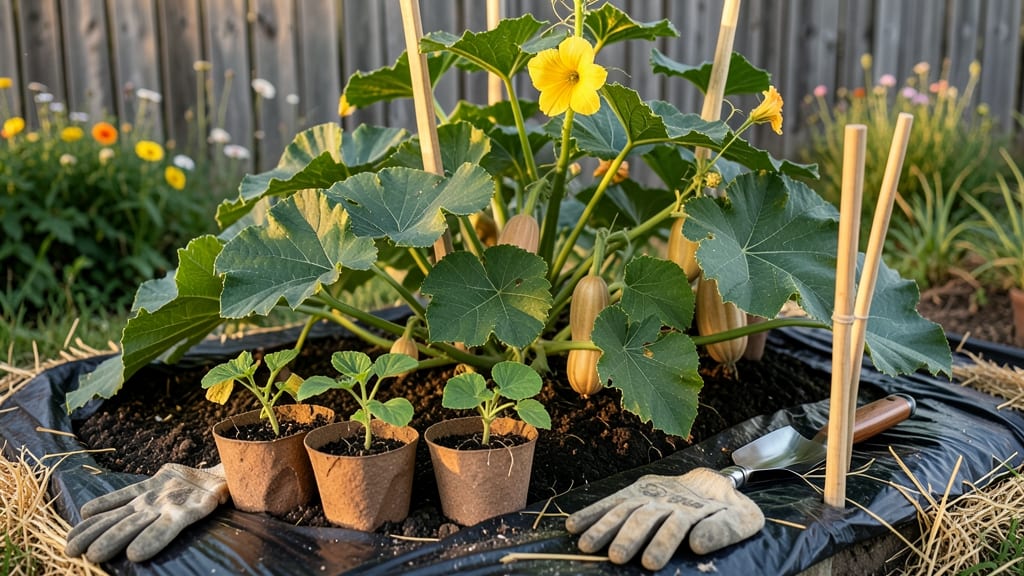
Planting butternut squash in Florida 🎃 means timing it right to avoid humidity stress and maximize your harvest—aim for mid-March through early June or late July to early September.
If you’ve ever watched your squash vines wilt under Florida’s sudden summer heat or struggle to set fruit in spring’s lingering cool spells, you know timing is the difference between a bountiful harvest and a disappointing one.
Florida’s frost-free zones (9a-11) give you two ideal windows: spring for fall harvests and summer for winter yields. The key is soil temperature—wait until it hits 60°F—and choosing fast-maturing varieties to beat the heat.
Below, I’ll break down the exact months for your region, soil prep tricks to speed up growth, and how to stretch your season with simple techniques that work in Florida’s climate.
Best planting months for butternut squash in Florida’s frost-free zones
Butternut squash thrives in Florida’s frost-free climate, but timing still matters to avoid heat stress and maximize yields. Unlike northern states, Florida gardeners can plant twice yearly—spring and fall—with minimal frost risk.
The key is starting seeds or transplants when soil temperatures hit 60°F+ and aligning with regional microclimates.
Northern Florida (Zones 8a-9a) has slightly cooler winters, while Central (9b-10a) and South Florida (10b-11) enjoy year-round warmth. I’ll break down the ideal planting windows for each region, plus soil prep tips to ensure healthy vines and plump squash.
⚠️ Critical Note: Florida’s humidity demands well-draining soil and proper spacing to prevent fungal diseases like powdery mildew. Always amend soil with compost before planting.
For 90+ day varieties like ‘Waltham Butternut,’ aim for spring planting by April 1 in North Florida to harvest before summer’s peak heat. In Central and South Florida, you can push harvests into late fall by planting in July-August—just watch for hurricane season disruptions.
Direct sowing is best for Florida’s climate, but if using transplants, harden them off for 7–10 days before moving outdoors. Start seeds indoors 4–6 weeks before your region’s last frost date (though frost is rare, microclimates vary). Use biodegradable pots to avoid root disturbance.
Black plastic mulch is a game-changer in spring—it warms soil 10–15°F faster than bare ground, accelerating germination. Lay it down 2 weeks before planting and secure edges with soil or landscape pins. Pair this with drip irrigation to maintain consistent moisture without wetting foliage.
Northern Florida gardeners should prioritize fall harvests (July–August planting) to avoid summer’s oppressive heat. In Central and South Florida, spring planting yields sweeter squash, as cooler temps reduce bitterness. Always test soil pH (aim for 6.0–6.8) and add aged compost or a balanced fertilizer (10-10-10) at planting.
Pro tip: Plant bush beans or radishes as companions—they deter pests and improve soil structure. Avoid planting near potatoes or pumpkins, which compete for nutrients. In South Florida, succession plant every 2 weeks in fall to extend harvests through December.
Remember: Florida’s humidity + heat can stress squash vines. Mulch heavily with straw or wood chips to retain moisture and regulate soil temps. If your region experiences unusually cool snaps (like North Florida in winter), use row covers to protect young plants.
With the right timing and care, you’ll enjoy homegrown butternut squash from October to March—just in time for soups and roasts! 🎃
How to extend your butternut squash season in Florida’s short growing period
Florida’s long growing season gives us an edge for butternut squash, but even here, heat waves and hurricane season can cut harvests short. The key? Strategic planning to stretch your season and maximize yields before summer’s intensity peaks.
With the right techniques, you can enjoy homegrown butternut squash from fall to early winter—or even spring to summer with careful timing.
Most Florida gardeners focus on spring planting (March-May), but fall planting (July-August) is equally productive—and often more reliable. The challenge? Florida’s 100-120 day varieties need consistent warmth without overheating stress. Here’s how to outsmart the clock and double your harvest potential using proven Florida-friendly methods.
- 📅 Succession Plant every 2-3 weeks from March to June—start with fast-maturing varieties (85-90 days) to stagger harvests through fall.
- 🌡️ Use black plastic mulch to raise soil temps by 10-15°F, letting you plant earlier in spring or later in fall without chilling stress.
- 🛡️ Deploy floating row covers in late summer to protect from hurricanes and cool afternoon temps—this extends fall harvests by 4-6 weeks.
- 🌿 Pair with companion plants like bush beans or marigolds to improve soil health and repel pests, reducing plant stress that shortens fruit development.
- 🏡 Build low cold frames (unheated) over fall plantings to buffer temperature swings during September’s heat spikes—critical for northern Florida.
For spring plantings, focus on succession planting every 2-3 weeks from March to June. Start with 85-day varieties like ‘Waltham’ or ‘Sugar Pie’ to harvest early, then transition to 100+ day varieties like ‘Giant Cabinet’ for larger yields.
This overlapping strategy ensures you’re always picking ripe squash while new plants replace depleted ones.
In summer’s brutal heat, shade cloth (30-50%) becomes your best friend. Stretch it 3-4 feet above plants to filter sunlight without trapping humidity. Combine this with drip irrigation to keep roots cool and soil moist—butternut squash wilts fast in Florida’s 90°F+ afternoons.
A mulch ring of straw or grass clippings also locks in moisture and regulates soil temp.
Don’t overlook fall planting (July-August) as your secret weapon. Florida’s short winter means fall crops often outperform spring—they avoid summer’s pests and harvest before cold snaps (which are rare but possible in northern Florida).
Use row covers in September to protect from storms and extend harvests into December.
Finally, save seeds from your best-performing squash to select for heat tolerance. Over 2-3 years, you’ll develop locally adapted varieties that thrive in Florida’s climate—giving you longer harvest windows and bigger yields with less effort. 🌱