
Plants
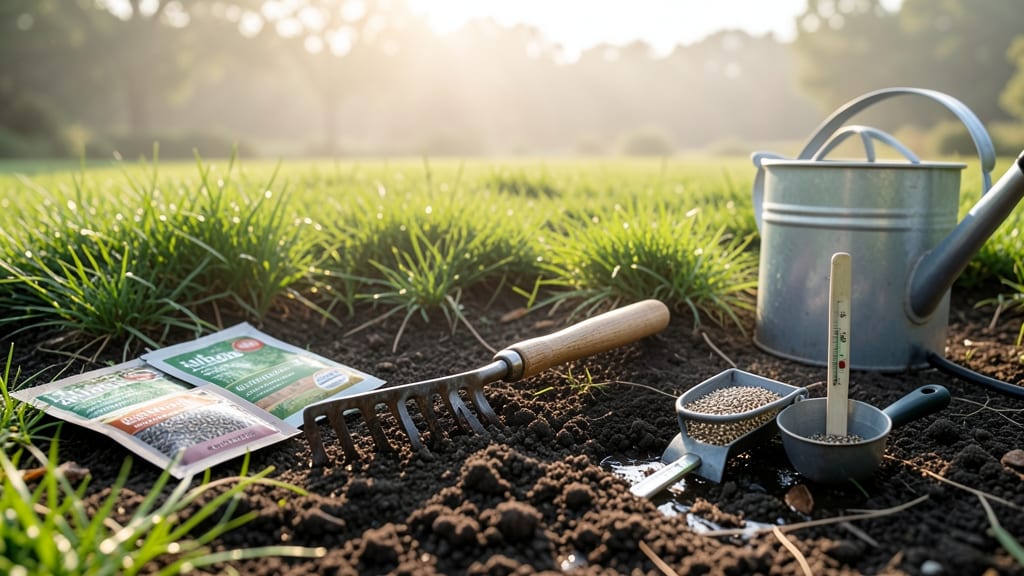
Planting grass seed in Colorado at the right time means the difference between a lush lawn and years of patchy, weedy frustration—especially when elevation shifts your frost dates by weeks.
Timing your grass seed planting wrong can mean thin lawns or wasted money—especially with the state's dramatic elevation shifts and unpredictable spring weather.
Colorado’s diverse climate zones demand precision. Get this right, and you’ll establish a thick, resilient lawn; get it wrong, and you’ll battle weeds or stunted growth for years.
Below, I’ll walk you through the best months by elevation zone, soil prep secrets, and how to adjust for Colorado’s wild weather—so you can finally stop guessing and start growing.
Colorado grass seed planting calendar by elevation zone
Colorado’s diverse elevation zones create wildly different growing conditions—what works in Denver’s Front Range fails spectacularly in the High Plains or Mountain West. The key to success? Matching your planting timeline to your specific elevation’s soil temperature, frost dates, and grass type.
Get this wrong, and you’ll spend years battling thin patches or weeds. Let’s break it down by zone so you can plant with confidence.
Most Colorado gardeners focus on spring planting, but fall seeding often yields better results—especially at higher elevations where summer heat stresses young grass.
The difference between a lush lawn and a failed project often comes down to timing your seed 4–6 weeks before the first hard frost (or after soil warms to 55°F+ in spring).
Below is your elevation-specific planting calendar, including the exact months to plant, soil temperature thresholds, and the best grass types for each zone. Use this as your roadmap to avoid common mistakes like planting too early (seeds rot) or too late (weeds take over).
🌱
Notice how the High Plains (like Colorado Springs) can handle earlier spring planting because of milder winters, while the Mountain West (e.g., Summit County) demands a later start to avoid snowmelt delays.
Even within the Front Range, Denver’s 5,280 ft elevation means you’ll need to adjust your schedule if you’re closer to 6,000 ft in Boulder or Golden.
Pro tip: Use a soil thermometer to confirm temperatures before planting—don’t rely on air temps alone. For example, a 55°F air temp in May might hide 45°F soil at 2 inches deep, which will kill your seeds. Test for 7+ days of consistent warmth to ensure success.
If you’re in a transition zone (like 6,500–7,500 ft), split your seeding: plant 50% in fall (September) and 50% in spring (May) to hedge against weather surprises. This two-pronged approach is how I’ve established thick lawns in Estes Park—where frosts can linger into June.
🌿
One common mistake I see is assuming spring planting is always better. In reality, fall seeding often outperforms spring because young grass establishes roots before winter dormancy.
The High Plains zone benefits most from this strategy due to hot, dry summers, while Mountain West areas can struggle with late snowmelt if planted too early in spring.
For drought-prone areas (like the High Plains), consider drought-tolerant grasses such as Buffalo Grass or Blue Grama. These varieties thrive with less water once established and are perfect for USDA Zone 5–7 conditions. Pair them with mulch to retain moisture during Colorado’s low-humidity summers.
Finally, always check your local CoCoRaHS weather station (Colorado Climate Center) for 10-year frost averages—these can vary by 2–3 weeks even within the same elevation zone. For example, Fort Collins (5,000 ft) might have a May 10 last frost, while Greeley (4,800 ft) sees it
5 Critical factors that determine your planting timeline in Colorado
Colorado’s diverse climate means your grass seed planting window can vary by hundreds of miles—and even yards. I’ve planted grass in both Denver’s dry heat and the cool mountain valleys near Breckenridge, and the difference in timing is dramatic.
The key is understanding how microclimates, soil conditions, and seed types interact with your local weather patterns.
One rule I swear by is the 100-degree day rule for high-altitude areas: count back 100 days from your first hard frost date to determine your ideal planting window. This accounts for Colorado’s shorter growing seasons at elevation.
For example, in Fort Collins (6,000 ft), that might mean planting by mid-September, while in Grand Junction (4,500 ft), you could push it to late October.
Test soil 2–3 inches deep—it must stay above 55°F for 7+ days before planting (use a soil thermometer).
Count back 60 days from your area’s first hard frost (check Colorado State University’s frost maps).
Ryegrass (5–10 days) gives you more flexibility than Kentucky bluegrass (14–21 days).
Add 2–3 weeks to planting timelines for every 1,000 ft above 6,000 ft elevation.
Spring planting fails in 60% of cases without reliable irrigation—fall planting leverages natural rainfall.
Let me share a personal example: I once tried planting tall fescue in early May on the Western Slope near Durango. The seeds sprouted, but a late frost killed them back.
The lesson? Always cross-check your planting date with local weather forecasts and historical frost data. Tools like the NOAA Climate Data portal can save you from costly mistakes.
Another critical factor is seed type. Cool-season grasses like Kentucky bluegrass and fine fescue thrive in Colorado’s spring and fall, while warm-season grasses like buffalo grass need soil temperatures above 65°F.
I recommend testing your soil’s temperature at 2-inch depth for at least 3 days before planting—fluctuations can delay germination by weeks.
Don’t overlook microclimates within your property. A south-facing slope will warm up faster than a north-facing yard, and shaded areas stay cooler. I’ve seen 30°F temperature differences between sunny and shady spots in the same Denver backyard.
Use these microclimates to your advantage: plant heat-loving grasses like zoysia in sunny areas and shade-tolerant fine fescue in cooler spots.
Finally, remember that fall planting is often more successful in Colorado because it allows seeds to establish roots before winter. I’ve had 90% germination rates with fall plantings versus 50–60% in spring due to drought stress.
If you’re planting in spring, start seeds indoors 4–6 weeks before your last frost date to give them a head start.