
Plants
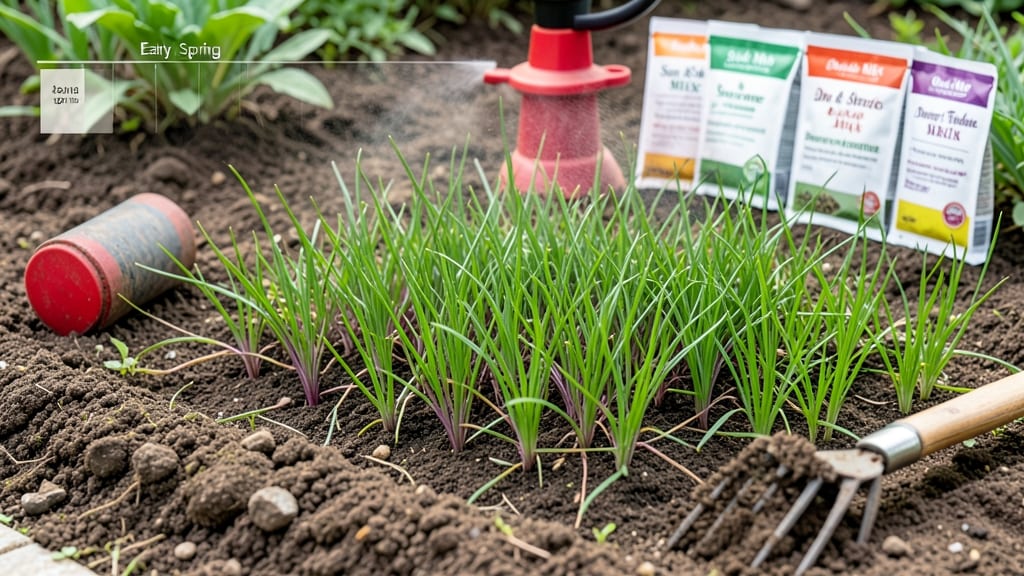
To plant grass in Colorado at the best time means aiming for early spring or late summer—when soil temperatures stay above 40°F and the risk of frost has passed.
Timing your grass planting in Colorado can mean the difference between a lush, green lawn and months of bare dirt—especially with the state’s dramatic elevation shifts and unpredictable spring weather.
Whether you’re in Denver’s 6a zone or the high plains of 5b**, the right window ensures your seed germinates fast and roots deep before summer’s heat sets in.
Here’s how to pick the perfect month for your region, avoid common mistakes, and keep your new 🌱 grass thriving all season long.
Best grass planting months in Colorado by elevation zone
Colorado’s dramatic elevation changes create wildly different planting windows—what works in Denver (5,280 ft) fails at 8,000 ft mountain meadows. Cool-season grasses like Kentucky bluegrass and fescue thrive in spring, but timing depends on your zone.
Plant too early, and frost zaps germination; too late, and summer drought stalls growth. Let’s break it down by region so your lawn gets off to the right start.
For Front Range cities (Denver, Colorado Springs, Fort Collins), aim for March–April when soil temps hit 50–55°F. At higher elevations (7,000–9,000 ft), wait until May—cooler temps delay germination.
The High Plains (e.g., Lamar, Sterling) can plant as late as early June thanks to hotter summers, but irrigation must be reliable.
Here’s the elevation-based cheat sheet for Colorado grass planting, including soil temp thresholds and root establishment timelines:
Notice how soil temperature drives germination more than air temp. Use a soil thermometer ($10 at garden centers) to confirm readiness—50°F is the magic number for most cool-season grasses.
If your soil runs cooler (common above 7,000 ft), wait until May or switch to hardy fescue, which tolerates 45°F soils.
For Front Range gardeners, late August–September is the second-best window for overseeding. Cool nights and warm days mimic spring conditions, giving grass 6–8 weeks to establish roots before winter. Skip this if your area gets early snow (common above 7,500 ft).
At high elevations, warm-season grasses like buffalo grass or zoysia (if you’re pushing it) can plant as late as June, but they’ll struggle with short growing seasons. Stick to fescue blends for reliability—these handle Colorado’s dry spells better once rooted.
Pro tip: Prep soil 2–3 weeks before planting. Loosen 6 inches deep, amend with compost (1 inch), and level the area. Rake out rocks—they’ll bake under summer sun and kill tender seedlings. Water deeply 2x daily for the first 2 weeks to prevent crusting.
Mistake alert: Planting too early (before March 15 in most zones) risks frost damage. If you see blackened seed after a cold snap, replant. Conversely, waiting until July leaves grass vulnerable to summer drought—seedlings need consistent moisture to break dormancy.
For Denver metro areas, aim to finish planting by May 1. By then, soil is warm enough for Kentucky bluegrass to germinate in 7–10 days, and you’ll have 3 months
How Colorado’s microclimates affect grass seed success rates
Colorado’s dramatic elevation changes—from 5,000 feet in Denver to 10,000+ feet in mountain towns—create wildly different growing conditions for grass seed. At 8,000 feet and above, short growing seasons and frost risks shrink your planting window to just 6-8 weeks each year.
Meanwhile, lower elevations like the Front Range enjoy longer seasons but face dry spells that demand precise watering strategies.
Soil temperatures are another game-changer. Grass seeds need consistent 50°F+ soil to germinate—something that can take weeks longer at 9,000 feet than in Denver. Even a 1,000-foot elevation gain can push back your planting date by 2-3 weeks.
Ignoring these microclimates often leads to slow germination, patchy growth, or even total failure when seeds rot in cold, wet soils.
- Elevation 5,000–6,500 ft (Denver, Fort Collins): Plant March 15–April 30 for spring; September 1–October 15 for fall. Soil warms faster, but windburn is a risk.
- Elevation 6,500–8,000 ft (Colorado Springs, Boulder): Shift to April 1–May 15 (spring) or August 15–September 30 (fall). Frost dates arrive 2 weeks earlier than lower elevations.
- Elevation 8,000–9,500 ft (Mountain towns, Aspen): Plant May 1–June 15 only—no fall planting due to early frosts. Use cold-hardy fescue varieties.
- Elevation 9,500+ ft (Leadville, alpine zones): June 1–July 15 is your sole window. Soil temps lag 30+ days behind lower elevations.
- Critical adjustment: For every 1,000 ft gain, delay planting by 7–10 days to avoid frost damage or seed dormancy.
At higher elevations, frost dates are the ultimate deciding factor. In Leadville (10,000 ft), the last spring frost can linger until June 1, while Denver (5,280 ft) typically sees its final frost by April 15.
This 6-week difference means planting in Denver by March 15 gives seeds 60+ days to establish roots before summer heat, whereas Leadville’s window is half that. Use a soil thermometer—seeds won’t germinate until soil hits 50°F for 5+ days.
Water management becomes even more critical in dry microclimates like the Western Slope, where low humidity and strong winds dry out soil faster. After planting, water lightly daily (just enough to keep soil moist) for the first 2 weeks, then deep-soak 2–3x weekly to encourage deep root growth.
In mountain valleys, morning watering is non-negotiable—afternoon sessions lead to evaporation losses of 30–50%.
Don’t overlook shade microclimates, either. North-facing slopes or dense tree canopies can drop soil temps by 10–15°F, delaying germination by 1–2 weeks. If your yard has partial shade, opt for fine fescue or tall fescue, which tolerate 2–4 hours of shade better than Kentucky bluegrass.
For full-shade areas, consider creeping red fescue, the most shade-tolerant option.
Finally, test your soil’s pH—Colorado’s alkaline soils (common in the High Plains) often need sulfur amendments to hit the ideal 6.0–7.0 range for grass. A simple $10 soil test can save you from nutrient lockout, where seeds struggle to absorb phosphorus or nitrogen despite fertilizing.
Adjust lime or sulfur 4–6 weeks before planting to let amendments integrate fully.