
Companion Plants
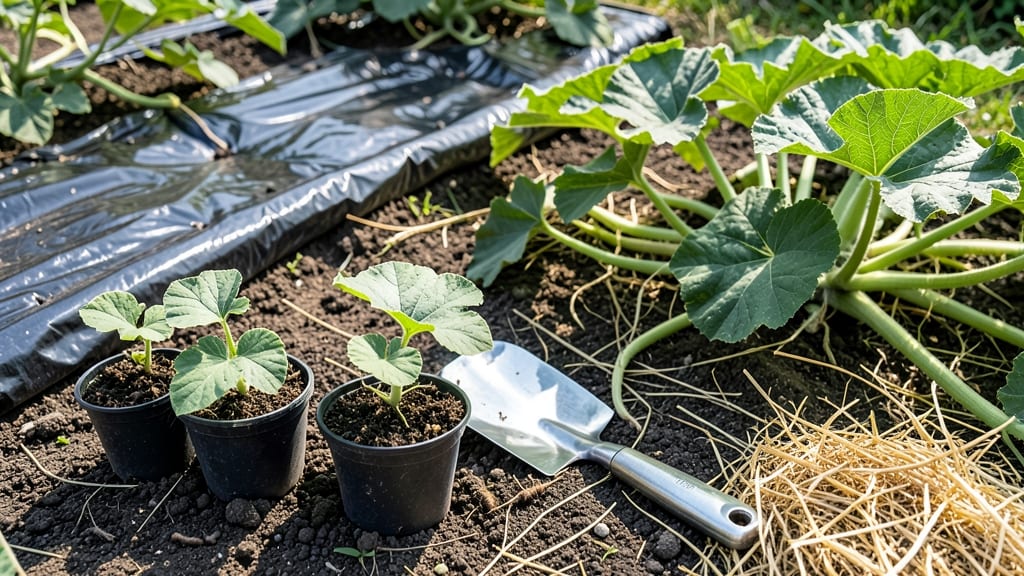
Plant pumpkins in Michigan between late April and mid-June 🎃 — timing that balances frost risk and soil warmth for strong vines and full-sized fruit.
Michigan’s short growing season makes timing critical for pumpkin success—plant too early, and frost ruins your harvest; too late, and vines struggle to mature. Follow these USDA zone-specific guidelines to grow jack-o’-lanterns and pie pumpkins that thrive from seed to vine.
In zones 5b-6b, wait until soil reaches 60°F and the last frost has passed (usually mid-May). Northern Michigan gardeners should prioritize cold-hardy varieties like ‘Howden,’ while Southern Michigan growers can stretch planting into early July for late-season harvests.
Below, I’ll break down exact planting windows by region, transplanting tips for a head start, and how to adjust for Michigan’s unpredictable weather—so you end up with a bountiful patch of homegrown pumpkins instead of wilted vines.
Michigan USDA zone planting calendar for pumpkins by month
Timing your pumpkin planting in Michigan means the difference between a bountiful harvest and wasted seeds. The state spans USDA zones 4-8, where last frost dates vary by 4-6 weeks.
Northern Michigan (zones 4-6) has a shorter growing season, while Southern Michigan (zones 7-8) enjoys extra weeks to mature vines. For both regions, soil temperature must reach 60°F+ before direct sowing—cold soil stunts growth.
Pumpkins need 90-120 days to maturity, so planting too late risks immature fruit before frost. In zones 4-6, start seeds indoors 2-3 weeks before last frost (early May) or direct sow by late May to early June.
Southern Michigan gardeners can direct sow as early as mid-April in zone 8, but wait until mid-May in zone 7 for safety.
Key factors to consider: frost risk, soil warmth, and variety maturity. Early varieties like 'Jack Be Little' (75 days) work in Northern zones, while 'Howden' (110 days) suits Southern Michigan’s longer season. Below, compare planting windows by zone to avoid common mistakes like overcrowding or early frost damage.
Pro Tip: Use a soil thermometer to confirm 60°F+ before planting. If soil is cooler, wait—pumpkin seeds won’t germinate below 55°F. In zones 4-6, row covers can extend the season by 2-3 weeks if used early.
For direct sowing, plant 3-4 seeds per hill, spacing hills 4-5 feet apart to give vines room to sprawl. Thin to the strongest seedling once sprouts emerge.
In zones 4-6, prioritize early-maturing varieties like 'Sugar Pie' (85 days) to avoid frost. Southern Michigan can handle 'Cinderella' (100 days) or 'Gladiator' (110 days) for larger pumpkins.
If you’re transplanting seedlings, harden them off for 7-10 days before moving outdoors. Set out transplants in early May for zones 7-8 or late May for zones 4-6, choosing overcast days to reduce transplant shock.
Water deeply before and after transplanting to help roots establish in 60°F+ soil.
Watch for false springs—a warm spell in April doesn’t mean frost is gone. Check your local Michigan State University Extension frost maps or use a frost calendar app for real-time updates.
In zones 4-5, consider black plastic mulch to warm soil faster and protect young plants from late frosts.
Once planted, consistent moisture is key—pumpkins need 1-2 inches of water weekly, especially during flowering (July) and fruit development (August). Let vines sprawl naturally; trellising isn’t recommended for pumpkins, as their weight can snap supports. In zones 7-8, you can even get a second planting
How to adjust pumpkin planting for Michigan’s unpredictable weather
Michigan’s unpredictable spring frosts and late summer heatwaves can turn pumpkin gardening into a high-stakes game. One year, your seeds might sprout in May; the next, frost lingers until June.
The key is flexibility—adjusting your planting strategy to match Mother Nature’s mood swings. I’ve learned that staggered plantings and cold-hardy varieties are my best insurance policies against Michigan’s whims.
Start by choosing fast-maturing varieties like ‘Jack Be Little’ (75 days) or ‘Howden’ (85 days) for Northern Michigan’s shorter seasons. These can handle cooler soils better than longer-season types. Pair them with row covers or black plastic mulch to warm the soil faster and protect young plants from late frosts.
I’ve even used mini greenhouses made from plastic bottles over seedlings to buy extra time in chilly springs.
📌 Michigan Pumpkin Planting Adjustments
- 1. Stagger Plantings: Sow seeds in 3 batches 2 weeks apart (late May, early June, mid-June) to spread harvest timing. This ensures at least one batch survives Michigan’s early October frosts.
- 2. Use Cold-Hardy Varieties: Opt for ‘Howden’ or ‘Cinderella’ (both tolerate 50°F soil) over ‘Atlantic Giant’, which needs 70°F+ to thrive.
- 3. Warm the Soil: Lay black plastic mulch 2 weeks before planting to raise soil temps by 10-15°F. Remove it once vines emerge to prevent overheating.
- 4. Protect with Row Covers: Use floating row covers until plants are 12 inches tall. Secure edges with bricks or soil to prevent wind damage during late spring frosts.
- 5. Adjust Watering: In heatwaves, water deeply every 2 days (1-2 inches total). Use drip irrigation to keep foliage dry and prevent powdery mildew.
- 6. Harvest Early: Pick pumpkins when vines yellow (even if small) to avoid early October frosts. Store in a cool, dry place (50-55°F) to extend shelf life.
For Southern Michigan (zones 7-8), where summers are hotter, focus on shade cloth during peak heat (90°F+) to prevent blossom drop. I’ve had success with 30% shade cloth draped over vines during July’s afternoon sun.
This trick keeps temperatures 10°F cooler at the vine level, which is crucial for fruit set. Pair this with morning watering to reduce stress—pumpkins need 1-2 inches of water weekly, but soggy soil leads to rot.
Don’t overlook soil preparation—Michigan’s clay-heavy soils drain poorly after rain. Amend beds with compost and coarse sand to improve drainage. I mix in aged manure before planting to provide slow-release nutrients, which helps vines recover from late spring cold snaps.
Test your soil’s pH too; pumpkins thrive in 6.0-6.8 range. If your soil tests lower, add lime in early spring.
If frost threatens in early October, harvest pumpkins before hard frost—even if they’re small. Store them in a well-ventilated garage (not a sealed space) to prevent rot. I’ve cured pumpkins by placing them in the sun for 10 days to harden the rind before storage.
This extra step makes them last through November and December, perfect for holiday decor or pies.
Remember: Michigan’s weather is unpredictable but manageable. By combining staggered plantings, protective covers, and quick-maturing varieties, you can turn even the most erratic seasons into a bountiful pumpkin harvest.
Start small—try 3-4 plants with different maturity dates—and adjust each year based on your local microclimate. That’s how I’ve gone from zero pumpkins to dozens of jack-o’-lanterns despite Michigan’s mood swings. 🎃