
Plants
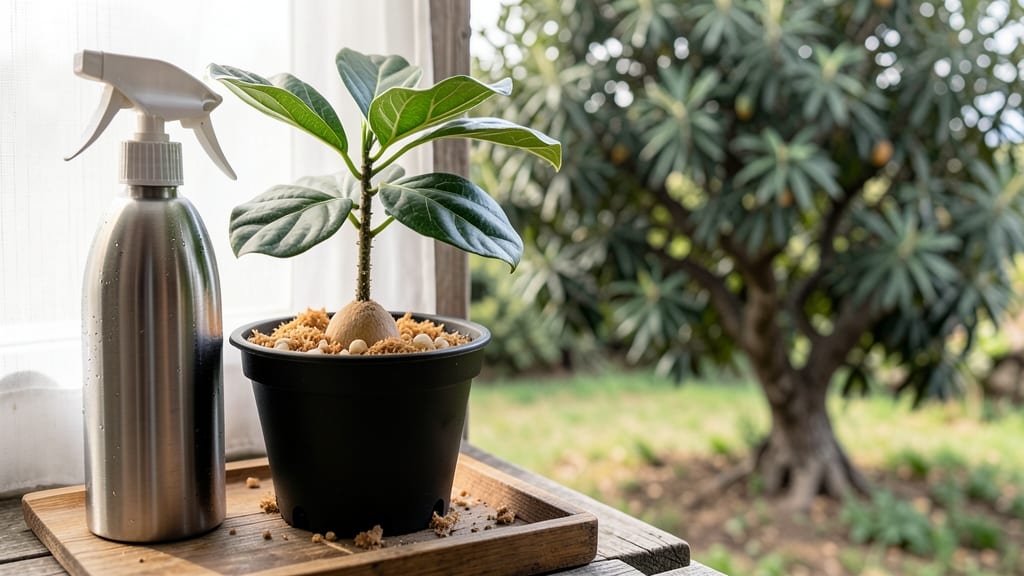
Planting an avocado seed in soil at the right time is the key to getting your 🥑 Avocado Tree off to a fast start—indoors or outdoors.
Picture this: you’ve got your seed sprouting in water, and now you’re ready to move it to soil—but wait too long, and you risk stunted growth. Or plant it too early, and the cold can shock those delicate roots. The timing matters more than you think.
Whether you’re growing in Zone 6a or a warmer climate, the best window for planting is after your last frost in spring, when soil temperatures hit 60°F or warmer.
But what if you’re starting indoors? That’s a whole different story—and one I’ll break down so you can avoid common mistakes.
Inside, you’ll find the exact timing for transplanting, how to tell when your seedling is ready, and what to do if your climate doesn’t play by the rules. Let’s get that 🥑 Avocado Tree growing strong!
Best time of year to plant avocado seeds in soil for fastest growth
Planting an avocado seed at the right time is crucial for fast germination and healthy growth. Unlike many plants, avocado seeds thrive in warm conditions and struggle with cold temperatures. The best time to plant depends on whether you're starting indoors or outdoors, and your local USDA climate zone.
In temperate zones, spring is ideal, while tropical climates allow year-round planting.
For indoor germination, you can plant avocado seeds any time of year, but spring or early summer gives your seedling the longest growing season before winter. If you're planting outdoors, wait until after the last frost date in your area—typically late April to May in most temperate regions.
Avocado seeds need consistent warmth (70-85°F) to germinate, which is why indoor starting is popular in cooler climates. Outdoor planting should only happen when soil temperatures stay above 60°F at night. Cold soil can stunt growth or even kill young seedlings.
Here’s a quick reference for the best planting times based on your climate and setup:
| Climate Type | Best Planting Time | Soil Temperature | Notes |
|---|---|---|---|
| Tropical (Zones 10-11) | Year-round | 70-85°F | No frost risk; plant anytime. |
| Temperate (Zones 7-9) | Spring (after last frost) | 65-75°F | Wait until soil warms above 60°F. |
| Cold (Zones 6 or below) | Indoors (year-round) | 70-80°F (grow light) | Transplant outdoors after frost. |
| Indoor Germination (Any Zone) | Spring or Summer | 75-85°F (near window) | Faster growth with warm conditions. |
In tropical climates (USDA Zones 10-11), you can plant avocado seeds anytime since frost isn’t a concern. Just ensure soil stays consistently moist and warm. These regions offer the fastest growth because avocado trees thrive in warm, humid conditions year-round.
For temperate zones (USDA Zones 7-9), timing is critical. Plant outdoors after the last frost date—typically late April to early May. Use a heat mat if soil is still cool to speed up germination.
If you’re in a cooler microclimate, consider starting seeds indoors in late winter and transplanting after frost.
In cold climates (USDA Zones 6 or below), indoor germination is your best bet. Place your seed in water near a south-facing window or under a grow light in early spring. Once the seedling is 6-12 inches tall and soil warms, transplant it outdoors after the last frost date.
If you miss the spring window, don’t worry—you can still start seeds indoors in late summer for a head start before winter. Just be prepared to keep the seedling indoors until spring. The key is maintaining warmth and moisture during germination, regardless of the season.
Pro tip: Use a soil thermometer to check temperatures before planting outdoors. Avocado seeds won’t germinate well in soil below 60°F. If your soil is too cool, wait a few weeks or use a black plastic mulch to warm it faster.
Once your seedling has 2-3 true leaves and is at least 6 inches tall, it’s ready for its first transplant into soil. This usually happens 4-8 weeks after planting, depending on conditions. Choose a well-draining potting mix or prepare a garden bed with compost for best results.
Step-by-step guide: when and how to transplant your avocado seedling into soil
Transplanting your avocado seedling into soil is a critical step that determines whether your young tree thrives or struggles. The key is waiting for the right milestones, like 2-3 inches of roots and 2-3 healthy leaves, before moving it from water to soil.
Rushing this process can shock the delicate roots, while waiting too long may stunt growth. I’ve learned the hard way that patience here pays off—your seedling needs time to build strength.
Before transplanting, prepare your soil with well-draining mix (60% potting soil, 30% perlite, 10% compost) and a pH between 6.0-7.0. Avocado seedlings hate soggy roots, so containers with drainage holes are a must.
I use a 5-7 inch pot for my first transplant, giving roots room to expand without overwhelming the seedling. Choose a spot with bright, indirect light—direct sun can scorch tender new leaves.
✅ Step-by-Step Transplant Process
- 1 Wait for 2-3 inches of roots and 2-3 leaves before transplanting. Roots should be firm and white, not mushy or brown.
- 2 Prepare a 5-7 inch pot with drainage holes. Fill with a mix of potting soil, perlite, and compost (60:30:10 ratio).
- 3 Gently remove the seedling from water, shaking off excess moisture. Hold the stem (not the leaves) to avoid damage.
- 4 Plant at the same depth as it grew in water. Press soil lightly around the base to secure the seedling without compacting.
- 5 Water lightly to settle the soil, then place in bright, indirect light. Avoid direct sun for the first 7-10 days.
- 6 Monitor for yellow leaves or wilting. These signs mean overwatering or shock. Adjust care immediately.
Common mistakes like overwatering or transplanting too soon can derail your seedling’s growth. I’ve seen roots rot when soil stays soggy, and leaves curl if the seedling isn’t ready.
Always check for firm, white roots and avoid disturbing the soil around the base during the first few weeks after transplanting. Patience here ensures your avocado tree starts strong.
After transplanting, keep your seedling in bright, indirect light for 2 weeks to help it adjust. Gradually introduce more sunlight over 7-10 days. I’ve found that seedlings transplanted in spring or early summer (when temperatures are mild) grow faster than those moved in winter.
If you’re in a cooler climate, wait until after the last frost date to transplant outdoors.
Once your avocado seedling is settled, focus on consistent moisture (water when the top inch of soil feels dry) and monthly fertilizer with a balanced 10-10-10 mix.
Avoid heavy-handed fertilizing—your seedling’s roots are still delicate. With the right timing and care, your avocado tree will reward you with lush growth and, eventually, fruit! 🌱