
Plants
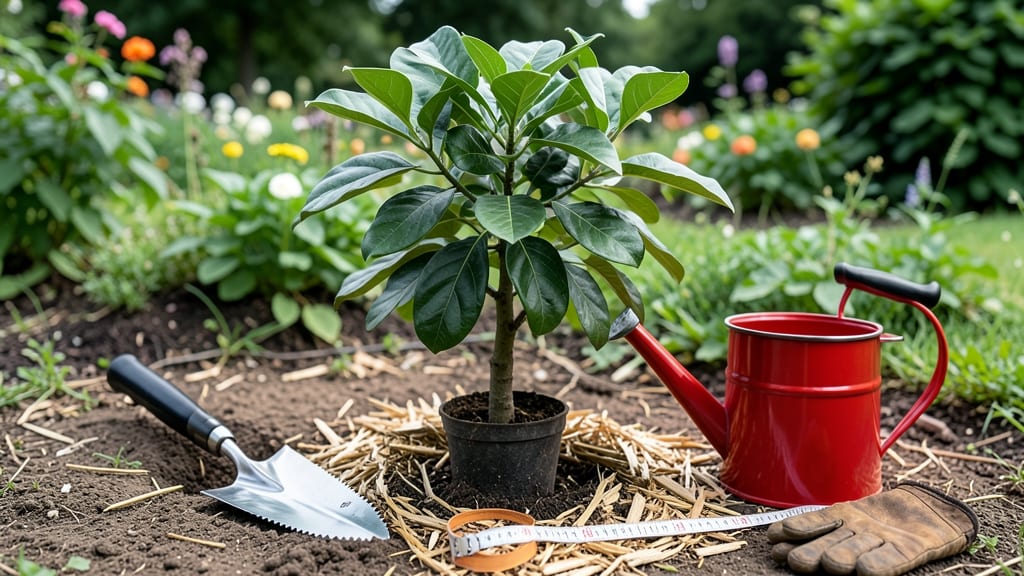
To plant an avocado tree in the ground, timing is everything—wait until after your last frost date when soil temperatures hit 60°F+ for root success.
Planting too early can mean frost-killed saplings, while waiting too long risks heat stress. In USDA Zone 6, that window is tight: April–May after the last frost, but zones like 8–11 have more flexibility. Get it wrong, and your 🥑 investment could be lost before it even bears fruit.
You’re not just picking a month—you’re reading the soil, checking frost forecasts, and avoiding transplant shock. Below, I’ll walk you through the exact signals to watch for (soil warmth, weather patterns) and how to adjust for your microclimate, whether you’re in a coastal zone or inland desert.
Ready to plant? You’ll also discover the 3 biggest mistakes that kill young avocado trees—and how to sidestep them—so your tree goes from sapling to fruit-bearing powerhouse in just a few years.
Best planting months for avocado trees by USDA Zone
Avocado trees thrive in warm climates, but planting them at the right time ensures strong root establishment and fruit production. In USDA Zones 8-11, timing varies significantly—from late winter in Zone 11 to early spring in Zone 8.
The key is planting when soil temperatures stay above 60°F consistently, as cold soil slows root growth and increases frost sensitivity.
For Zones 9-11, the ideal window is January through March, taking advantage of mild winters and avoiding summer heat stress. In Zone 8, where frost is a bigger risk, aim for April or May—after the last frost date in your area.
Microclimates matter too: coastal areas may have milder winters, allowing earlier planting than inland regions.
Here’s a quick reference for your zone:
Late winter planting (e.g., February in Zone 9) offers a balance: warm soil without summer heat. However, early spring (April in Zone 8) gives young roots time to establish before summer drought.
If you’re in a transition zone (e.g., Zone 8b), monitor local frost data—planting too early can kill tender roots.
For container-grown avocados, transition to ground planting when soil temps are stable. Bury the pot halfway to protect roots while acclimating. In Zone 10-11, you can plant year-round, but winter planting avoids summer pests and water stress. Always amend soil with compost to improve drainage—avocados hate soggy roots!
Regional microclimates play a huge role. Coastal Zone 9 areas (like San Diego) may plant in January, while inland valleys (like Phoenix) wait until March. Check local Almanac frost dates and adjust by 2-4 weeks for safety.
A soil thermometer ($10 at garden centers) confirms readiness—wait until readings stay above 60°F for 5+ days.
Pro tip: If you miss the ideal window, plant in early summer (June) but prioritize shade and extra water. Young trees struggle with establishment stress during heatwaves.
Mulch heavily (3-4 inches) to retain moisture and regulate soil temps. Avoid fall planting—cool nights and shorter days slow growth, leaving trees vulnerable to winter chill.
Remember, avocados are tropical trees at heart. Even in Zone 11, they prefer warmth. If your area has even light frosts, choose cold-hardy varieties like ‘Hass’ or ‘Fuerte’, which tolerate brief dips to 28°F.
For Zone 8, consider microclimates like south-facing slopes or urban heat islands to extend the growing season.
Timing isn’t just about the calendar—it’s about soil, weather, and your local ecosystem. Use these guidelines as a starting point, then fine-tune with your garden’s unique conditions. Patience pays off: a well-timed avocado tree can bear fruit in 3-5 years with proper care! 🥑
How to tell when soil and weather are perfect for planting
Avocado trees thrive in warm soil and frost-free conditions, so checking these factors before planting is critical. Cold soil can stunt root growth, while unexpected frost will kill young saplings.
I always wait until the soil temperature consistently stays above 60°F (15°C)—this ensures roots establish quickly and avoid shock.
Start by monitoring your local frost dates using the USDA Plant Hardiness Zone Map or tools like the National Weather Service. In USDA Zones 8-11, avocados can handle mild winters, but young trees need at least 30 frost-free days before planting.
For Zones 6-7, I recommend waiting until late spring when nighttime temps stay above 50°F (10°C).
⚠️ Warning: Frost Kills Avocado Trees!
Even mature avocado trees can suffer leaf burn below 32°F (0°C), but young saplings die at 28°F (-2°C). Check your local 10-day forecast before planting—if nighttime lows dip below 55°F (13°C), delay planting by 2-4 weeks.
Pro Tip: Use a soil thermometer ($10 at garden centers) to confirm 60°F+ soil at 6 inches deep before planting. Cold soil = slow root growth = weak trees.
Beyond frost, watch for consistent daytime warmth. Avocados need 6+ hours of sunlight daily, so planting in early spring (after the last frost) gives them the longest growing season. In Zone 10+, you can plant year-round, but summer planting risks heat stress—opt for late winter instead.
Pay attention to rainfall patterns too. Avocados hate waterlogged soil, so avoid planting after heavy rains. If your area has drought conditions, schedule planting for early spring when natural rainfall increases.
I always test soil drainage by digging a 12-inch hole—if water pools after 30 minutes, amend with compost or sand.
Local microclimates matter too. South-facing slopes warm faster than shaded areas, so plant there if possible. Urban areas with heat islands may stay frost-free longer—check a neighbor’s garden for clues. If you’re unsure, ask local nurseries about successful planting windows in your area.
Finally, trust your avocado tree’s cues. If leaves appear yellow or wilted after transplanting, it’s a sign of stress from cold soil or shock. Replant in warmer conditions and mulch heavily to insulate roots.
With the right timing, your avocado will grow strong roots and lush foliage in just a few months! 🌱