
Lawn
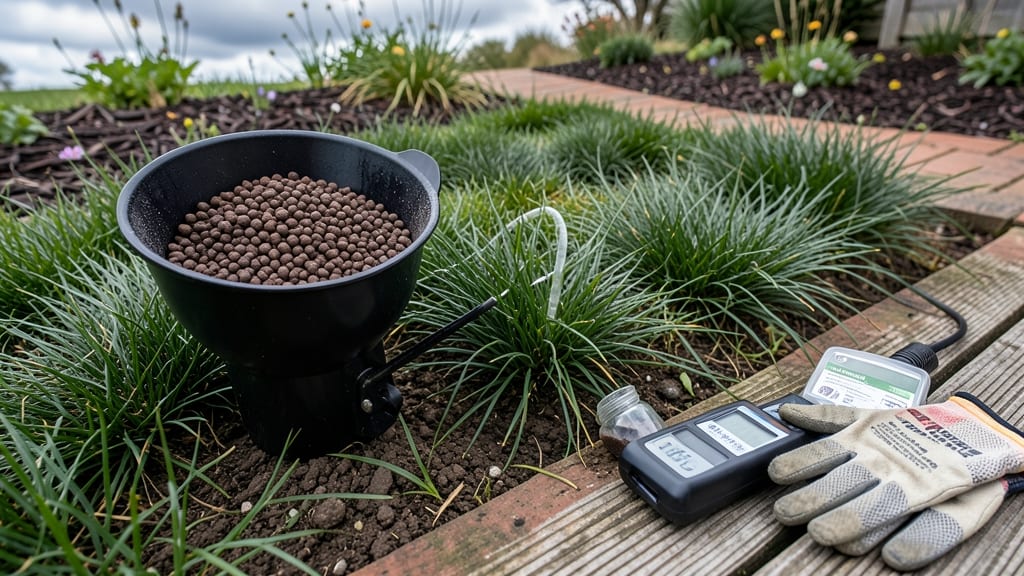
Fertilizing your lawn at the right time—early spring, late spring, or early fall—can turn patchy grass into a vibrant carpet, but timing matters more than you might think.
Picture this: you’ve just spent the weekend mowing and aerating, only to realize you fertilized too late in the season—now your grass is struggling to recover. Or worse, you applied it during a heatwave and ended up with brown patches instead of lush growth.
The difference between a thriving lawn and a struggling one often comes down to when you feed it, not just how much.
Your climate zone, grass type, and even soil temperature play a role in the best fertilization schedule. Cool-season grasses like fescue need feeding in early spring and fall, while warm-season varieties like Bermuda thrive with summer applications. Without the right timing, you risk wasting money—or worse, harming your lawn.
In this guide, I’ll break down the ideal fertilization windows for your grass type and region, plus pro tips for watering and mowing before and after feeding. By the end, you’ll know exactly when to reach for that spreader—and when to put it away.
Best fertilization timing for different grass types: cool-season vs warm-season schedules
Understanding your grass type is the first step to a fertilization schedule that works. Cool-season grasses like fescue and ryegrass thrive in moderate temperatures, while warm-season grasses such as Bermuda and Zoysia prefer heat. Each type has distinct growth cycles that dictate when to apply fertilizer for maximum results.
For cool-season grasses, the ideal fertilization windows are early spring and fall, aligning with their natural growth spurts. In contrast, warm-season grasses need feeding during late spring through summer when temperatures rise. Skipping these windows can leave your lawn weak and prone to weeds or pests.
Here's a quick comparison to help you visualize the differences:
| Grass Type | Best Fertilization Time | Key Growth Months | Soil Temp for Fertilizing | Fertilizer Type |
|---|---|---|---|---|
| Cool-Season (Fescue, Ryegrass) | Early Spring (March-April), Late Fall (Sept-Oct) | March-May, Sept-Nov | 45-60°F | High Nitrogen (30-0-4) |
| Warm-Season (Bermuda, Zoysia) | Late Spring (May-June), Early Summer (July-Aug) | May-Sept | 70-85°F | Balanced NPK (16-4-8) |
Let's start with cool-season grasses, which dominate northern lawns. Your first fertilization should happen in early spring (March-April) when soil temperatures reach 45-55°F. This kickstarts root growth after winter dormancy. A slow-release nitrogen fertilizer (like 30-0-4) is ideal—it feeds your grass steadily without risking burn.
Follow up with a second application in late spring (May-June) to support rapid growth before summer heat sets in. In fall, apply another round in September to strengthen roots for winter. This three-step schedule ensures your cool-season lawn stays vibrant year-round.
For warm-season grasses, timing shifts to align with heat. Begin fertilizing in late spring (May-June) when soil temperatures hit 70°F or higher. Use a balanced fertilizer (like 16-4-8) to encourage deep root development. A second application in early summer (July) helps maintain color during peak heat.
Warm-season grasses go dormant in fall, so avoid fertilizing after August—it can weaken roots before winter. Instead, focus on light mowing and watering adjustments to prepare for dormancy. This seasonal approach prevents stress and ensures your lawn bounces back in spring.
Regional climate plays a role too. In northern zones, cool-season grasses may need an extra fall feeding if frost arrives late. Meanwhile, southern lawns with warm-season grasses might benefit from a light summer feeding to combat intense heat. Always check your local frost dates and adjust timing accordingly.
Pro tip: Always water before and after fertilizing to help nutrients absorb. For cool-season grasses, aim for ½ inch of water per session. Warm-season grasses need deep, infrequent watering (1-1.5 inches) to encourage deep roots. This simple step maximizes fertilizer effectiveness and lawn health.
By matching your fertilization schedule to your grass type and climate, you'll avoid common mistakes like over-fertilizing in summer or skipping fall feedings. A well-timed plan keeps your lawn lush, resilient, and free from costly repairs.
Climate-specific fertilization rules: adjusting your schedule for hot, cold, OR wet regions
Your lawn's fertilization schedule shouldn't follow a one-size-fits-all approach—climate plays a huge role in determining the best times to feed your grass. In hot southern regions, like Florida or Texas, grass grows year-round, while northern climates in zones 3-5 have short growing seasons.
Even humid coastal areas require adjustments to prevent nutrient runoff. Let's break down how to adapt your schedule based on your USDA hardiness zone and local conditions.
In drought-prone areas, like the Southwest, I recommend fertilizing in early fall when temperatures drop and grass can absorb nutrients without stress. For wet northern regions, like the Pacific Northwest, late spring and early summer work best when soil isn't waterlogged.
Meanwhile, humid southern lawns benefit from frequent light feedings throughout the year, but with extra caution during summer downpours.
Here's a quick-reference guide to help you adjust your fertilization timing based on your climate zone:
For northern climates with short growing seasons, I prioritize early spring fertilization to jumpstart growth after winter dormancy. In USDA zones 3-5, where frost dates are critical, I always apply the final feeding in late summer to strengthen roots before winter.
This two-step approach—spring boost and summer recovery—works wonders for cool-season grasses like Kentucky bluegrass.
In humid southern regions, like the Southeast, I switch to a four-season schedule with lighter applications. The key is to fertilize when grass is actively growing but avoid heavy feedings during summer's peak heat.
For warm-season grasses like Bermuda or Zoysia, I time applications around spring green-up and fall root development, skipping winter entirely to prevent winter burn.
Remember, soil temperature is your best guide—never fertilize when soil is below 55°F or above 90°F. In wet climates, like the Pacific Northwest, I always test soil moisture first to avoid runoff. For drought-prone areas, I reduce nitrogen in summer and focus on root-strengthening fertilizers instead.
Adjusting your schedule based on climate doesn't have to be complicated. Start by identifying your USDA zone, then follow the seasonal cues your grass gives you—new growth in spring, yellowing in summer heat, or fall color changes.
With these climate-specific rules, your lawn will thrive no matter where you live! 🌱