
Trees
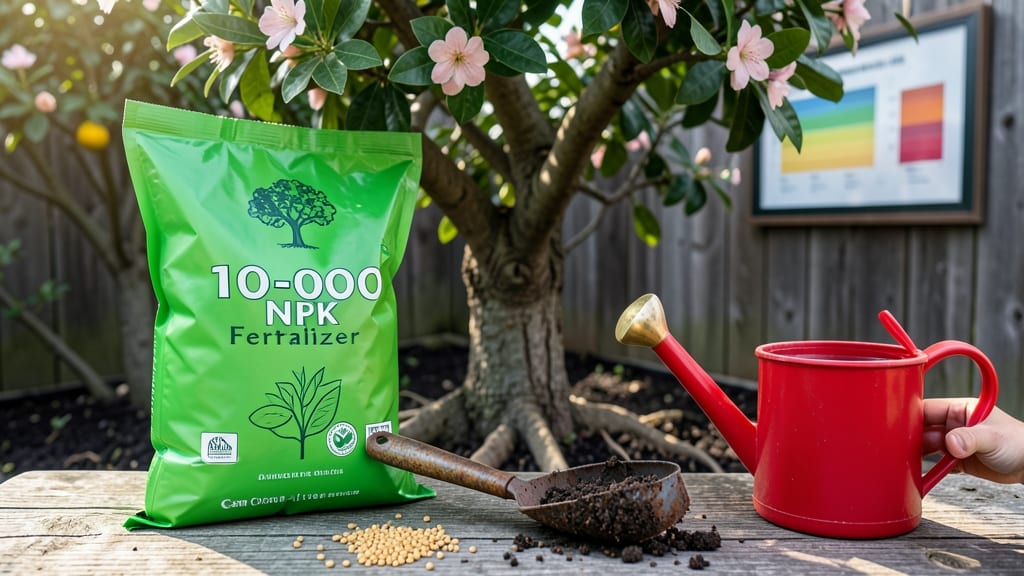
Fertilizing fruit trees at the right time is the key to bigger harvests 🍎 — and getting it wrong can leave you with stunted growth or even dead branches.
Picture this: you’ve just planted your dream fruit tree, only to watch it struggle through the first year because you fertilized at the wrong moment.
The truth is, timing matters more than most gardeners realize—too early, and you’ll push tender roots to grow before they’re ready; too late, and your tree won’t have the energy to fruit.
In this guide, I’ll walk you through the seasonal schedule that keeps your fruit trees thriving, from early spring feeds to why you should skip fall fertilization entirely.
Whether you’re caring for a young sapling or a mature producer, these tips will help you avoid costly mistakes and maximize your harvest.
You’ll also discover how to adjust your plan based on your climate zone, the best fertilizer types for each stage of growth, and the subtle signs your tree is telling you it’s getting too much (or too little) nutrition. Let’s get those roots fed the right way!
Best times of year to fertilize fruit trees for optimal growth
Fruit trees thrive when fertilized at the right times, but many gardeners struggle with the perfect schedule. Timing matters more than quantity—applying fertilizer too early can burn roots, while waiting too long reduces flowering and fruit production.
The key is aligning fertilization with your tree's natural growth cycles, from root development in early spring to fruit maturation in late summer.
Your climate zone also plays a critical role. In warmer zones (like USDA 8-10), trees may need a second feeding in fall, while colder zones (USDA 3-6) should focus on spring and early summer only.
Let's break down the science-backed schedule that ensures your trees get nutrients when they need them most.
In early spring, your fruit tree's roots are waking up after dormancy, making this the perfect time for a nitrogen-rich feed. Look for swollen buds—this signals it's time to apply a balanced fertilizer (10-10-10) or organic options like composted manure.
For young trees, use a 6-6-6 blend to avoid overstimulating growth. This feeding jumpstarts root development, which directly supports flowering later in the season.
By late spring, your tree should be in full bloom or just past the petal fall stage. This is when phosphorus becomes critical—it helps develop strong fruit set and root systems.
Switch to a phosphorus-rich fertilizer like bone meal or a 5-10-10 blend. Avoid high-nitrogen fertilizers now, as they can reduce flowering. Citrus trees and stone fruits (peaches, plums) benefit most from this timing.
During early summer, focus on maintenance feeding every 6-8 weeks to support fruit maturation. Use a potassium-rich fertilizer (like greensand or a 6-6-12 blend) to improve fruit quality and disease resistance.
This is also when young trees (under 3 years old) need extra care—apply half the recommended dose to prevent overgrowth before winter.
In fall, most fruit trees enter dormancy, and fertilization should stop 6-8 weeks before the first frost. Feeding at this time can stimulate late-season growth, which won't harden off before winter and may freeze back.
Instead, focus on soil health by adding compost or mulch. Exception: In warmer climates (USDA 8-10), a light organic feed in early fall can support extended growth cycles.
Winter is a hands-off season for fertilization. Your tree is storing nutrients and preparing for next year's growth. Use this time to prune dead wood, test soil pH, and plan your spring feeding schedule.
If your tree shows signs of nutrient deficiency (like yellow leaves), a soil test in late winter will guide your spring adjustments.
For
How to choose the right fertilizer type for different fruit tree stages
Choosing the right fertilizer for your fruit trees depends on their growth stage and nutrient needs. Young trees require more nitrogen (N) for leaf and root development, while mature trees benefit from balanced phosphorus (P) and potassium (K) ratios to support flowering and fruiting.
The type of fertilizer—organic or synthetic—also impacts soil health and long-term tree vitality.
Organic fertilizers like compost, manure, or bone meal release nutrients slowly, improving soil structure over time. Synthetic fertilizers, such as granular or liquid blends, provide immediate nutrient boosts but may require more frequent applications.
For young fruit trees, a 6-6-6 NPK ratio promotes strong early growth, while mature trees thrive with a 10-10-10 or 5-10-10 blend to encourage fruiting.
Slow-release fertilizers, like coated granules or organic matter, reduce the risk of nutrient burn and align with natural growth cycles. Quick-release options, such as water-soluble powders, are best for correcting deficiencies mid-season.
Always match the fertilizer type to your tree’s stage—young trees need gentle, consistent feeding, while established trees can handle stronger formulations during peak growing months.
Organic vs. Synthetic Fertilizers for Fruit Trees
Organic Fertilizers
- Pros: Improves soil health, slow release, eco-friendly
- Cons: Slower results, may require larger quantities
Best for: Long-term soil enrichment, young trees, organic gardening
Synthetic Fertilizers
- Pros: Fast nutrient delivery, precise ratios, easy to apply
- Cons: Can cause nutrient burn, no soil improvement
Best for: Quick fixes, mature trees, high-yield goals
Slow-Release vs. Quick-Release
| Type | Pros | Cons | Best Use |
|---|---|---|---|
| Slow-Release | Steady growth, less risk of burn | Higher upfront cost | Young trees, seasonal feeding |
| Quick-Release | Fast results, easy to adjust | Requires frequent reapplication | Correcting deficiencies, mature trees |
For young fruit trees, prioritize organic or slow-release fertilizers to build strong roots. Apply a 6-6-6 NPK blend in early spring and again after harvest to support new growth. Mature trees, especially those bearing fruit, need a higher potassium (K) content to prevent disease and improve fruit quality.
A 10-10-10 or 5-10-10 fertilizer applied in late spring and early summer ensures robust flowering and fruiting.
Always test your soil before fertilizing to avoid imbalances. Over-fertilizing can lead to excessive leaf growth at the expense of fruit production. For organic options, composted manure or worm castings work wonders, while synthetic fertilizers like osmocote or Miracle-Gro offer convenience.
Adjust your approach based on your tree’s age, health, and local climate—patience and observation are key to long-term success.
Remember, the goal is to feed your fruit trees without overwhelming them. A balanced approach—combining organic matter, slow-release nutrients, and targeted synthetic boosts—will yield healthier trees and more abundant harvests year after year. 🌱🍎🌿