
Plants
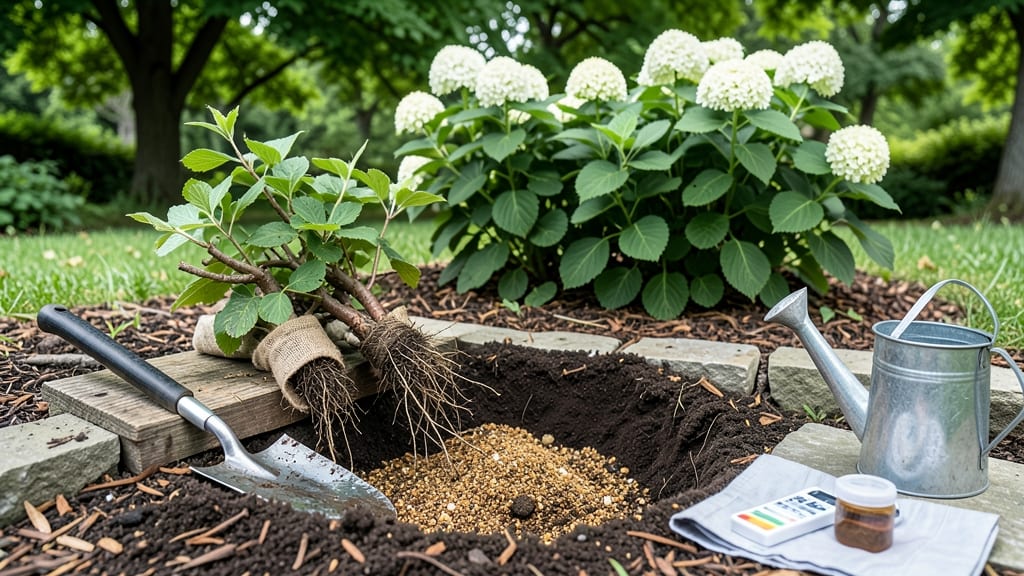
The best time to plant hydrangeas in the Northeast is either spring after the last frost or early fall 4-6 weeks before the first frost — and getting this timing right can mean the difference between a thriving 🌸 shrub and one that struggles to take root.
If you’ve ever watched your hydrangeas wilt under late spring frosts or fail to bloom because of fall planting too close to winter, you know how critical the window is. The Northeast’s zones 4a-7b bring unique challenges, from unpredictable frost dates to heavy winter soils that can suffocate young roots.
Spring planting gives your hydrangea a full growing season to establish roots before winter, while fall offers cooler soil and fewer pests. But which is truly better for your specific zone?
We’ll break down the pros and cons, plus the exact steps to prep your soil and plant for maximum success — no guesswork required.
By the end, you’ll know whether to grab your shovel in May or wait for September, plus how to adjust for container planting or rocky Northeast soil. Let’s get those hydrangeas growing strong.
Spring vs fall planting for hydrangeas: climate and growth factors in the Northeast
Deciding between spring vs. fall planting for hydrangeas in the Northeast boils down to one key factor: root establishment timing. In our USDA zones 4-7, where frost dates vary dramatically, understanding these seasonal differences can mean the difference between a thriving shrub and a struggling one.
Let’s break down how soil temperatures, humidity levels, and frost risks influence each planting window.
Fall planting (typically September-October) gives hydrangeas a head start on root growth before winter dormancy. Cooler air and 60-70°F soil temps create ideal conditions for root development without the stress of summer heat.
Meanwhile, spring planting (after last frost dates, usually mid-April to early June) risks slower root establishment if planted too late, as hydrangeas need 6-8 weeks to establish before summer heat arrives.
The Northeast’s humid climate also plays a role—fall’s moderate humidity supports root growth without the fungal risks of summer’s heat and moisture combo. Spring’s fluctuating weather can stress newly planted hydrangeas, especially in Zone 4-5, where late frosts are common.
Let’s compare these factors side-by-side to help you choose the best timing for your hydrangeas.
For Zone 4-5 gardeners, fall planting is often the safer bet. The 4-6 week window before first frost (typically mid-September to early October) allows roots to establish before winter.
In contrast, spring planting in these zones risks late frosts or early heatwaves, which can stunt growth. Bigleaf hydrangeas, in particular, benefit from fall planting because their roots need time to harden off before winter.
In Zone 6-7, both seasons work, but timing is critical. Spring planting should occur 4-6 weeks after last frost to avoid transplant shock. Fall planting in these zones can extend to early November, giving roots extra time to settle.
The key is avoiding extreme heat or cold during the first few weeks after planting, which can stress hydrangeas.
Another critical factor is soil moisture. Fall’s consistent rainfall in the Northeast supports root growth without the need for frequent watering.
Spring, however, often brings drier conditions, requiring deep watering 2-3 times per week until roots establish. Mulching heavily (3-4 inches) in both seasons helps retain moisture and regulate soil temperature.
If you’re planting potted hydrangeas, fall is generally better because the roots are already established in their containers. Spring planting of potted hydrangeas can lead to transplant shock if the soil dries out too quickly. Always water potted hydrangeas before planting to encourage root spread into the surrounding soil.
For container-grown hydrangeas, consider the root ball size. Larger root balls establish faster, reducing transplant stress. In the Northeast, aim for 1-gallon containers or larger when planting in spring to give roots a better chance to adapt before summer heat arrives.
One common mistake is planting hydrangeas too late in spring, especially in Zone 5 and below. If planted after mid-June, hydrangeas may not have enough time to establish before winter, leading to stunted growth or winter dieback.
Similarly, planting too close to winter in fall (within 2-3 weeks of first frost) can leave roots vulnerable to cold damage.
To maximize success, test your soil’s pH level before planting—hydrangeas thrive in acidic soil (pH 5.5-6.2). In the Northeast, many soils are naturally alkaline, so amending with peat moss or sulfur may be necessary. This adjustment is just as important in fall as it is in spring
Step-by-step guide to planting hydrangeas in the Northeast’s ideal season
Choosing the right time to plant hydrangeas in the Northeast isn’t just about seasons—it’s about soil temperatures, frost dates, and variety resilience. Whether you’re in Zone 4 or Zone 7, timing directly impacts root establishment and next year’s blooms.
For spring planting, wait until after the last frost (typically mid-May in most Northeast regions). For fall planting, aim for 4-6 weeks before your first frost date—usually September-October.
Fall planting is often preferred because cooler temps and consistent moisture help roots establish before winter. However, spring planting gives you more time to prep soil and select varieties. Let’s break down the exact steps for both seasons, including Northeast-specific adjustments for Zone 4-7 climates.
Northeast Hydrangea Planting Timeline
For spring planting, focus on hydrangea varieties like Endless Summer or Limelight, which handle transplant shock better in warmer soil. In fall, opt for hardy varieties like Annabelle or Oakleaf, which establish roots quickly before winter.
Always water deeply after planting—this encourages roots to grow downward where moisture is stable.
In Zones 4-5, add extra winter protection like burlap wraps around the base or mulch volcanoes to prevent frost heave. For containers, use self-watering pots and move them to protected areas in winter. Remember: well-draining soil is non-negotiable—hydrangeas hate soggy roots!
After planting, monitor for wilting leaves (sign of underwatering) or yellowing foliage (sign of overwatering). In Zone 6-7, you can plant as late as November if soil temps stay above 40°F. The key is giving roots 6-8 weeks to establish before winter dormancy.
Pro tip: Mark your planting date on a calendar—this helps track growth progress. By next spring, you’ll see lush foliage and buds forming if you’ve followed these steps! Happy planting!