
Plants
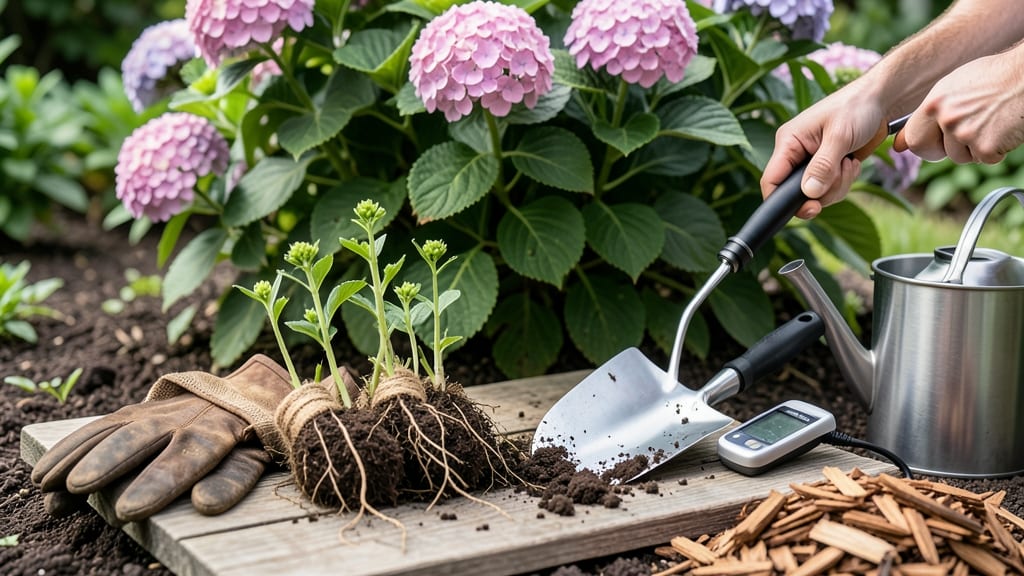
Planting hydrangeas in Zone 7 at the right time ensures vibrant blooms and frost-free survival, so timing matters more than you might think.
Zone 7 gardeners know timing is everything—plant hydrangeas too early, and frost can strike; too late, and your blooms may suffer. But master the perfect window, and you’ll enjoy lush, vibrant flowers year after year without stress.
The best months to plant hydrangeas in Zone 7 are early spring (March to April) or early fall (September to October), aligning with your average last frost date of April 15 and first frost of October 15. This timing gives roots time to establish before extreme temperatures hit.
In this guide, I’ll break down the exact planting windows for different hydrangea types, soil prep tips, and how to protect your plants from late frosts—so you can avoid common mistakes and enjoy blooms that last.
Best planting windows for hydrangeas in Zone 7: spring vs. fall timing explained
Zone 7 gardeners have two prime opportunities to plant hydrangeas: early spring and late fall. Each window offers unique advantages, but timing is critical to avoid frost damage or summer stress.
For bigleaf hydrangeas, spring planting ensures established roots before summer heat, while panicle and oakleaf varieties often handle fall planting better due to their hardiness.
Spring planting in Zone 7 runs from mid-March to mid-May, aligning with soil warming and last-frost dates (typically April 15). Fall planting, however, stretches from mid-September to mid-November, giving roots time to establish before winter dormancy.
The key difference? Spring gives plants a full growing season, while fall avoids summer drought stress.
Here’s how to choose the best window for your hydrangea type and Zone 7 microclimate:
| Planting Window | Best Months (Zone 7) | Soil Temperature | Hydrangea Types | Bloom Timing | Key Consideration |
|---|---|---|---|---|---|
| Spring | March–May | 50–60°F | Bigleaf, Panicle, Oakleaf | Current year (spring) or next year (fall) | Faster establishment but watch for late frost |
| Fall | September–November | 55–65°F | Panicle, Oakleaf (best); Bigleaf (caution) | Next year (spring) | Avoids summer drought but needs winter protection |
| Bigleaf Hydrangeas | March–April (spring only) | 50–55°F | All varieties | Current year blooms | Sensitive to late frost; prioritize early spring |
| Panicle/Oakleaf | March–May or September–October | 50–65°F | Panicle, Oakleaf | Next year blooms | Hardier types handle fall planting better |
For bigleaf hydrangeas, I recommend sticking to spring planting (March–April) in Zone 7. These varieties bloom on old wood, meaning buds form the previous year. Planting in fall risks damaging these buds before they set.
In contrast, panicle and oakleaf hydrangeas bloom on new wood, making them ideal for fall planting—just finish by mid-October to allow root establishment before frost.
Zone 7’s average first frost (October 15) sets the deadline for fall planting. If you’re in Zone 7a (colder microclimate), opt for September planting to give roots extra time.
In Zone 7b (warmer microclimate), you can push to early November, but avoid planting when soil temps drop below 50°F—roots won’t establish properly.
Container-grown hydrangeas deserve special attention. These plants are root-bound and need immediate watering after transplanting. In spring, plant them 2–3 weeks before your last frost date to avoid shock.
In fall, container plants should go in the ground 6–8 weeks before frost—typically by mid-September in Zone 7—to allow roots to adjust before winter.
Pro tip: Use a soil thermometer to check temperatures before planting. Hydrangeas thrive when soil is between 50–65°F. If temps dip below 45°F, roots may struggle to absorb moisture, delaying establishment. In spring, aim for 50–55°F; in fall, 55–65°F gives roots the best chance to harden off.
Don’t overlook mulching after planting. Apply a 2–3 inch layer of mulch (like shredded bark) to retain moisture and regulate soil temps. In spring, mulch helps cool roots during heatwaves; in fall, it insulates against early frosts. Just keep mulch 6 inches away from the stem to prevent rot.
Finally, align your planting with hydrangea blooming goals. For immediate color, plant bigleaf varieties in spring—they’ll bloom on old wood that same season. For next-year blooms, fall planting of panicle or oakleaf hydrangeas ensures robust growth and vibrant flowers in spring.
With these timing strategies, your Zone 7 hydrangeas will thrive—whether you’re chasing summer blooms or fall color. Happy planting! 🌸
How to prepare hydrangeas for Zone 7 planting: soil, sun, and frost-proofing tips
Hydrangeas love Zone 7’s mild climate, but soil prep and sunlight placement make all the difference. I’ve learned the hard way—skipping these steps means weaker blooms and frost-sensitive roots. Let’s fix that with science-backed prep work before your hydrangeas hit the ground.
First, test your soil pH—hydrangeas thrive in acidic soil (5.2-6.0). If your soil is alkaline, amend it with sulfur or peat moss 4-6 weeks before planting.
I mix in composted manure or worm castings for nutrients, but avoid fresh manure—it burns roots. Zone 7’s clay-heavy soils? Add perlite or sand to improve drainage.
🌱 Zone 7 Hydrangea Planting Checklist
- 📅 Spring Planting: After last frost (mid-April), before 80°F heat
- 🍂 Fall Planting: 6-8 weeks before first frost (early October), soil 50-60°F
- ☀️ Sunlight: Morning sun + afternoon shade (3-4 hours direct sun max)
- 🌡️ Frost Protection: Mulch with 4-6" wood chips after planting
- 💧 Watering: Deep soak 2x/week first year, 1-2 gallons/plant
For sunlight, hydrangeas need partial shade—think morning sun and afternoon shade. In Zone 7’s hot summers, afternoon shade prevents leaf scorch. I plant mine near east-facing fences or under deciduous trees (like maples) that drop leaves in fall, letting winter sun through for frost resilience.
Mulching is your frost-proofing secret weapon. After planting, spread 4-6 inches of shredded bark or pine straw around the base (keep mulch 6 inches from stems to avoid rot).
This insulates roots in winter and retains moisture in summer. I top-dress with compost every spring to feed the soil, not the mulch itself.
Late-season care in Zone 7 means fall pruning and frost watches. Cut back dead blooms and weak stems after first frost (October), but never prune in spring—it removes next year’s buds!
If an early frost threatens, cover young plants with burlap or frost cloth. I’ve saved panicle hydrangeas this way—even in Zone 7a’s colder patches.
Pro tip: Container hydrangeas need extra care. Use well-draining pots and move them to protected spots before 32°F. I wrap containers in bubble wrap for extra insulation—trust me, it works! With these steps, your hydrangeas will bloom bigger and stronger every season, no frost worries. 🌿