
Plants
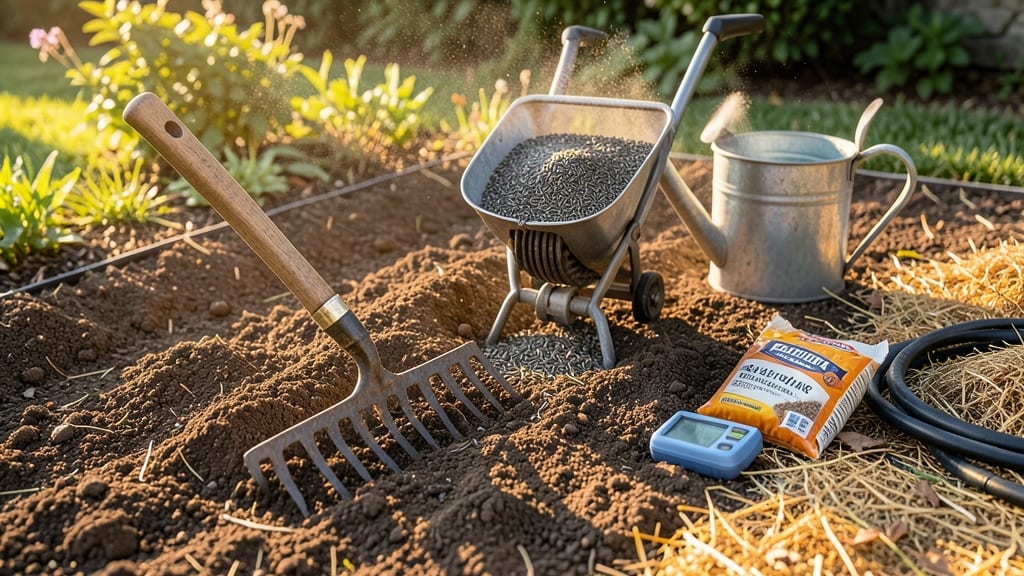
When is the best time to plant grass seed in the fall? Planting grass seed in the fall gives your lawn the strongest start—4 to 6 weeks before the first frost is the sweet spot for deep root growth and fewer weeds.
But here’s the catch: too early, and you’ll battle weeds; too late, and frost will stall germination. In Zone 6a, that means aiming for mid-September to early October, when soil stays warm enough to sprout but cools just enough to slow weeds.
This timing isn’t just about weeks—it’s about soil temperature (ideally 60–75°F), moisture, and avoiding that first hard freeze. Get it right, and you’ll skip spring’s patchy repairs.
Below, I break down the exact weeks by region, soil prep tricks, and how to tell if you’ve missed the window—so your lawn thrives, not just survives.
Optimal fall planting weeks for grass seed by region and climate Zones
Fall is your golden window for planting grass seed because cooler temperatures reduce weed competition while allowing seeds to germinate and establish roots before winter dormancy. But timing varies dramatically by USDA zone and regional climate.
Plant too early, and weeds take over; too late, and frost stunts growth. Let’s break down the science-backed weeks for your area.
Cool-season grasses like Kentucky bluegrass and tall fescue thrive when planted 4–6 weeks before your first frost date. Warm-season grasses such as Bermuda grass or Zoysia need a late fall window to harden off before winter. The key metric? Soil temperatures between 60–75°F—any colder, and germination slows dramatically.
Here’s how to translate USDA zones into actionable weeks for your lawn. Use this table to pinpoint your ideal planting window, then adjust for local microclimates like shaded areas or urban heat islands.
For Zone 3–5, aim for late August to avoid early frosts.
In Zones 6–7, the sweet spot is mid-September, when daytime highs hover around 70°F but nights dip below 50°F. Southern regions in Zones 8–10 can push planting to October or November, but monitor soil temps—below 60°F and germination grinds to a halt.
Microclimates throw a wrench into these timelines. A shaded lawn stays cooler longer, delaying planting by 1–2 weeks, while urban heat islands may require earlier sowing.
Test your soil temperature with a soil thermometer (insert 4 inches deep) before planting. If it’s below 60°F, wait—your seeds will rot instead of root.
Pro tip: Check your local frost date (use the USDA Plant Hardiness Map) and count backward 4–6 weeks. For example, if frost hits October 15, plant by September 1.
This ensures your grass has 4–6 weeks of growth before winter dormancy. Adjust for warm-season grasses like Bermuda—plant them in late fall (November) to let them establish before summer heat returns.
Regional quirks matter too. In Pacific Northwest (Zone 7–8), coastal areas stay mild longer, extending the window to mid-November. Meanwhile, Deep South (Zone 9–10) can plant into December, but watch for freezing nights—even warm-season grasses need a break.
Remember: Seed variety plays a role. Cold-hardy varieties like creeping red fescue can handle earlier planting, while heat-loving Bermuda needs warmer soil. Always check the seed packet for optimal temperature ranges—it’s your best guide after the USDA zone.
Once you’ve locked in your weeks, prep your soil for maximum germination. Aerate 1–2 weeks before planting, rake away debris, and water deeply the day before sowing. This ensures your seeds hit moist, loose soil—the perfect launchpad for roots.
How to prepare soil and conditions for maximum grass seed germination
Perfecting your soil before planting grass seed in fall isn’t just about digging a hole—it’s about creating the ideal environment for rapid germination and root establishment.
The secret lies in balancing soil temperature, moisture levels, and nutrient availability to give your new grass a fighting chance against weeds and frost. Start by testing your soil’s temperature with a simple soil thermometer—the magic window is 60–75°F.
Fall’s cooler air might fool you, but the ground can still hold heat from summer. If your soil reads below 55°F, wait a few more weeks or use a black plastic mulch to warm it up naturally.
This step alone can double your germination rate by ensuring seeds don’t sit dormant in cold soil. Think of it as giving your grass a warm hug before winter arrives.
🌱 Best Time to Plant Grass Seed in Fall
- Cool-Season Grasses: 4–6 weeks before first frost (e.g., Kentucky bluegrass, tall fescue)
- Warm-Season Grasses: Late summer/early fall (e.g., Bermuda grass, Zoysia)
- USDA Zones 3–5: Mid-September (soil temps ~65°F)
- USDA Zones 6–10: Late September–October (soil temps ~70°F)
📅 Pro Tip: Check your local first frost date and count backward!
Once your soil hits the sweet spot, it’s time to aerate and loosen the top 2–3 inches. Use a core aerator to pull out small soil plugs—this breaks up compacted layers and lets roots breathe.
Follow up by raking out debris and weed seeds; fall is their prime time to sprout, and you don’t want them competing with your new grass. A stiff rake or dethatching tool works wonders here.
Next, adjust your soil’s pH level if it’s off—most grasses thrive in a neutral to slightly acidic range (6.0–7.0). Test with a soil pH kit and amend with lime (to raise pH) or sulfur (to lower pH) 2–3 weeks before planting.
This gives the amendments time to work without burning your seeds. For example, Kentucky bluegrass loves a pH of 6.0–7.5, while fine fescue prefers the lower end.
Don’t skip the pre-plant fertilizer—but choose wisely. A low-nitrogen, high-phosphorus blend (like 5-10-10) promotes root growth without encouraging leafy topgrowth that can’t survive winter. Apply it evenly and lightly, then water it in.
Wait 1–2 weeks before planting to avoid seed burn. Think of this as a root growth booster shot for your future lawn.
Finally, mulch your seeds with a thin layer of straw (not wood chips) to retain moisture and protect them from birds or harsh winds. Water gently but deeply—aim for 1/2 inch of moisture per week, delivered in the morning to reduce evaporation.
Avoid wetting the leaves to prevent fungal diseases like damping off. With these steps, your grass seeds will germinate in 7–21 days, giving them time to establish roots before winter sets in.