
Companion Plants
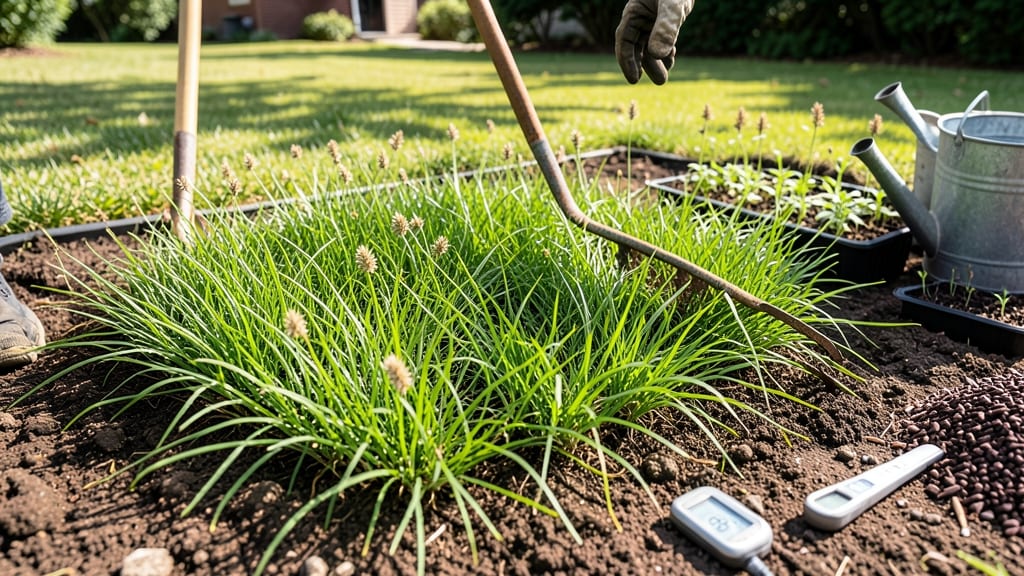
Planting Bermuda grass seed in Arkansas at the right time means the difference between a thick, drought-resistant lawn and months of patchy, slow growth.
If you’ve ever watched your lawn struggle after a late spring frost or bake under summer heat, you know timing is everything for Bermuda grass 🌱—it thrives only when soil temperatures hit 65°F or warmer, and Arkansas’ unpredictable spring makes that window tricky.
Most gardeners in the 7a-8a zones wait until late April or early May, but northern Arkansas can push planting into early June, while southern regions might start as early as March. The key? Soil temperature, not just the calendar.
Below, I’ll break down the exact months for your region, how to test soil readiness, and pro tips to give your seed the best shot at taking root before summer’s heat sets in.
Best months to plant Bermuda grass seed in Arkansas by climate zone
Arkansas' diverse climate means Bermuda grass planting windows vary dramatically from north to south. Cool northern regions need warmer soil temperatures before risking seed, while southern areas can plant earlier in spring or even late summer.
Understanding your USDA zone (7a-8a) and local microclimates is key to avoiding patchy germination or wasted seed.
The golden rule for Bermuda grass: wait until soil reaches 65°F+ at 4-inch depth. In Arkansas, this typically means late April to early June for most regions, but northern counties often wait until mid-May.
Southern Arkansas gardeners can sometimes push planting into early August for fall establishment, though this requires careful moisture management.
Here's how Arkansas' three main climate zones break down for optimal Bermuda grass seeding:
Northern Arkansas gardeners should prioritize soil warming techniques like black plastic mulch if planting before mid-May. The Ozark Mountains region often experiences late spring frosts that can kill young seedlings, so having row covers ready is wise.
I've seen Bermuda grass planted in Benton County as early as April 15th succeed when using seed warmers and protective covers.
Central Arkansas offers the most flexibility with two planting windows: spring (April-May) and fall (August). The Little Rock area typically sees consistent 70°F+ soil temps by mid-April, making it ideal for early seeding.
However, humidity spikes in late spring can promote fungal diseases like brown patch, so fungicide preventatives are often recommended.
Southern Arkansas' warmer climate allows for earlier spring planting and even fall establishment. Counties like Miller and Lafayette can sometimes plant as early as March 15th in microclimates with south-facing slopes.
The fall window (early August) works well here because hot summer soils remain warm enough for 6-8 weeks of growth before first frost.
For all zones, avoid planting during extreme heat (above 90°F) as this can cause seed desiccation before germination. I recommend using a soil thermometer to monitor 4-inch depth temperatures daily until you see consistent 65°F+ readings for at least 3 consecutive days.
This small investment prevents wasted seed and uneven lawn establishment.
Pro tip: In transition zones (like Saline County), split your seeding into two batches—plant half in April and half in May—to hedge against unpredictable spring weather. This staggered approach ensures continuous coverage even if one planting fails due to cool snaps or heavy rains.
Remember that Bermuda grass is warm-season, so fall plantings must establish 6-8 weeks of growth before first frost. In USDA 7a, this typically means no later than August 15th, while USDA 8a can extend to September 1st in protected microclimates.
🌱
Signs your Arkansas soil is ready for Bermuda grass seed planting
Bermuda grass thrives in Arkansas' heat and humidity, but timing your planting based on soil readiness is critical. Unlike cool-season grasses, Bermuda needs warm soil temperatures and consistent moisture to germinate properly. Checking these key indicators ensures your seeds sprout strong and establish deep roots before summer's intensity.
First, monitor your soil temperature using a soil thermometer. Bermuda grass seeds won't germinate until the top 2-3 inches of soil reach at least 65°F (18°C).
In most of Arkansas, this typically happens in late April to early May, but northern regions like Bentonville or Fayetteville may need to wait until mid-May.
Cold soil delays germination and invites fungal diseases like Pythium, which can rot your seeds before they sprout. If your thermometer reads below 60°F (15°C), hold off on planting—even if the air feels warm.
Arkansas' unpredictable spring weather can swing temperatures dramatically in a single week, so patience pays off.
⚠️ callout warning
Don't be fooled by warm April days—Arkansas' nights can still drop below 50°F (10°C), shocking tender seedlings. Wait until you've had 3 consecutive days above 70°F (21°C) with soil temps consistently above 65°F (18°C).
🔹 Pro Tip: Test soil in full sun areas first—shady spots warm up 3-5°F slower.
Next, check moisture levels by digging a small hole (about 6 inches deep) and squeezing a handful of soil. If it forms a loose ball that doesn't crumble easily, your soil has ideal moisture.
Bermuda grass seeds need consistent moisture to germinate, but they'll rot if overwatered or sitting in soggy soil. Arkansas' spring rains can make this tricky—aim for 1 inch of water per week, either from rain or irrigation.
Look for weed-free soil with a fine, crumbly texture. Bermuda grass outcompetes weeds once established, but competition during germination weakens seedlings. Remove any existing weeds by hand or with a pre-emergent herbicide applied 2-3 weeks before planting.
Avoid tilling too deeply—Bermuda grass seeds are tiny (0.01 inches long) and need to stay near the surface.
Finally, watch the weather forecast for at least 10 days after planting. Bermuda grass seeds need warm, stable temperatures to germinate—if a cold front is predicted, delay planting.
In southern Arkansas (like Little Rock or Hot Springs), you might get away with planting as early as mid-April, while northern areas should wait until late May to avoid frost risks.
Once you've confirmed all these signs—65°F+ soil, consistent moisture, weed-free beds, and stable weather—your Arkansas soil is ready for Bermuda grass seeds to thrive. Plant in the late afternoon to reduce evaporation, then keep the soil moist until germination (typically 7-14 days).