
Plants
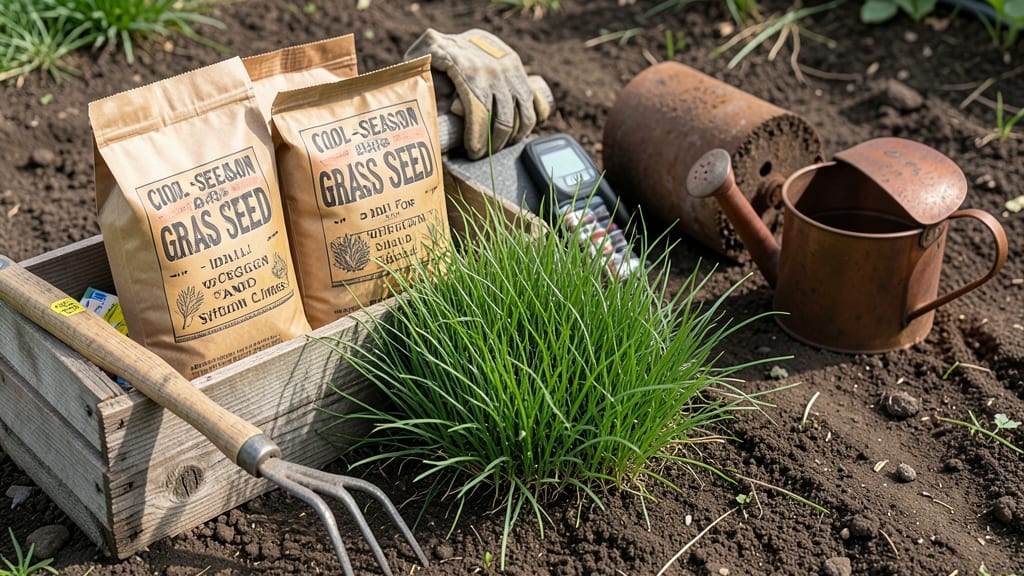
The best time to plant grass seed in Oregon depends on your microclimate—coastal areas thrive with fall planting, while inland zones need spring timing to beat summer drought.
Oregon’s diverse climate—from coastal fog to high-desert heat—means planting grass seed at the wrong time can turn your lawn dreams into a patchy, slow-growing nightmare. Timing isn’t just about the calendar; it’s about microclimates that dictate when seeds germinate best.
For western Oregon (zones 8b-9a), early September to mid-October is ideal, letting cool soil and steady rain help roots establish before winter. Meanwhile, eastern Oregon (zones 6b-7a) gardeners should aim for early March to mid-April, avoiding the heat that dries out seeds.
Below, I’ll break down the exact windows by region, soil prep secrets, and how to tell if your yard is truly ready—so you skip the guesswork and get that perfect lawn every time.
Oregon’s 3 microclimates for grass seed planting: coastal, Willamette Valley, and high desert timelines
Oregon’s three distinct microclimates—coastal, Willamette Valley, and high desert—create wildly different conditions for grass seed germination. The coastal region thrives with fall planting thanks to mild temperatures and steady rain, while the Willamette Valley offers spring and fall windows due to its Mediterranean climate.
Meanwhile, the high desert demands early spring planting to escape summer drought. Each zone has unique soil temperature and rainfall patterns that dictate success.
Understanding these microclimates helps you avoid common mistakes like planting too early in cold coastal zones or too late in the high desert. The key is matching your grass seed variety to the optimal planting window—cool-season grasses like Kentucky bluegrass and fescue dominate Oregon, but timing varies by region.
Let’s break down the perfect planting months for each zone, including soil temperature ranges and rainfall tips to set your lawn up for success.
Comparison Table: Oregon Grass Seed Planting by Microclimate
| Microclimate | Optimal Planting Window | Soil Temp. Range (°F) | Rainfall Pattern | Best Grass Varieties |
|---|---|---|---|---|
| Coastal | Late September to mid-October | 50–60°F | High, consistent rain | Fine fescue, creeping red fescue |
| Willamette Valley | April–May or September–October | 55–65°F | Moderate spring rain, dry summers | Kentucky bluegrass, tall fescue |
| High Desert | May–June | 60–70°F | Low, irregular rain | Tall fescue, buffalo grass |
For the coastal region, think of late September as your golden window. The air stays cool, and soil temperatures hover between 50–60°F, perfect for cool-season grasses to germinate without stress. Coastal areas like Astoria or Cannon Beach get consistent rainfall, reducing your watering workload.
If you plant too early, seeds may rot in the damp soil; too late, and winter chill can stunt growth. Aim for fine fescue blends, which tolerate shade and moisture.
The Willamette Valley, including Portland and Salem, offers two planting windows: spring (April–May) and fall (September–October). Spring planting aligns with soil warming to 60°F, while fall takes advantage of cooler temps before winter.
This zone’s Mediterranean climate means dry summers, so avoid planting then. Kentucky bluegrass thrives here but needs regular watering during establishment. Pro tip: Use starter fertilizer to boost early growth in both seasons.
In Oregon’s high desert, such as Bend or La Grande, May–June is your only shot. By then, soil temperatures reach 60–70°F, and the risk of late frosts has passed.
However, low rainfall means you’ll need to water deeply (1–1.5 inches per week) to keep seeds moist. Tall fescue and buffalo grass are top picks for their drought tolerance. Planting in July or August? Skip it—scorching heat will fry seeds before they sprout.
Regardless of your Oregon microclimate, always test soil moisture before planting. Stick your finger 2 inches deep—if it’s dry, water the area first. Overwatering is just as harmful as underwatering, especially in compacted soil.
After sowing, lightly mulch with straw to retain moisture and protect seeds from bird foraging. In coastal areas, watch for slugs in damp conditions, while high desert lawns may need windbreaks to prevent seed displacement.
One final tip: Overseeding in the Willamette Valley during fall can thicken thin lawns. Use a slit seeder to avoid disturbing established grass. For coastal shade gardens, mix fine fescue with creeping red fescue for a lush, low-maintenance look.
And in the high desert, consider drought-resistant mixes with wheatgrass for extra resilience.
Timing your Oregon grass seed planting right means the difference between a thick, green lawn and a patchy disappointment. By aligning with your local microclimate and soil conditions, you’ll give your seeds the best shot at thriving. Start with the optimal window
Signs your Oregon soil is ready for grass seed (and when to wait)
Before you rush to spread grass seed, your Oregon soil needs to meet three critical conditions: the right temperature, proper moisture, and minimal weed competition. Skipping these checks often leads to slow germination or patchy lawns—especially in Oregon’s unpredictable microclimates.
I’ve learned the hard way that even a 5°F temperature swing can delay sprouting by weeks.
Start by testing your soil’s temperature. Grass seeds need the ground to stay between 50°F and 65°F for consistent germination. In western Oregon, this usually means waiting until late April for spring planting or aiming for early September in fall.
Eastern Oregon’s high desert zones can plant as early as mid-March when soil warms faster.
⚠️ callout warning
Oregon’s late spring frosts (common until May 15 in coastal areas) can kill new grass seedlings. If your soil feels cool to the touch or morning frost lingers, wait 2-3 weeks. In high desert areas, overheating soil (above 75°F) can also stress seeds—test with a soil thermometer before planting.
Pro Tip: Press a seed packet into damp soil for 24 hours. If it doesn’t sprout, your conditions aren’t right yet.
Next, check moisture levels by digging a 2-inch hole in your soil. The dirt should feel like a wrung-out sponge—not bone-dry or soggy. Oregon’s winter rains often leave soil too saturated for spring planting, while summer droughts can dry out seeds before they sprout.
Aim for 1-1.5 inches of water per week (including rainfall) during germination.
Weed competition is another silent killer. Run your fingers through the top 1/2 inch of soil—if you pull up more weeds than dirt, your lawn will struggle.
Use a broadfork to loosen compacted soil and hand-pull weeds before seeding. I once overseeded a lawn in June without clearing weeds, and crabgrass took over within weeks.
Finally, perform the “thumb test” for compaction: Press your thumb into the soil. If it springs back slowly, your lawn needs aeration. Rent a core aerator or spike the soil with a garden fork to improve seed-to-soil contact.
In high-traffic areas, compaction can reduce germination rates by up to 40%.
Once your soil passes these checks, act fast! Grass seeds lose viability quickly in Oregon’s humid summers. Spread seed within 24 hours of purchase and keep the area moist until you see 50% germination (usually 7-21 days). Patience here pays off—skipping prep steps often means replanting later.