
Companion Plants
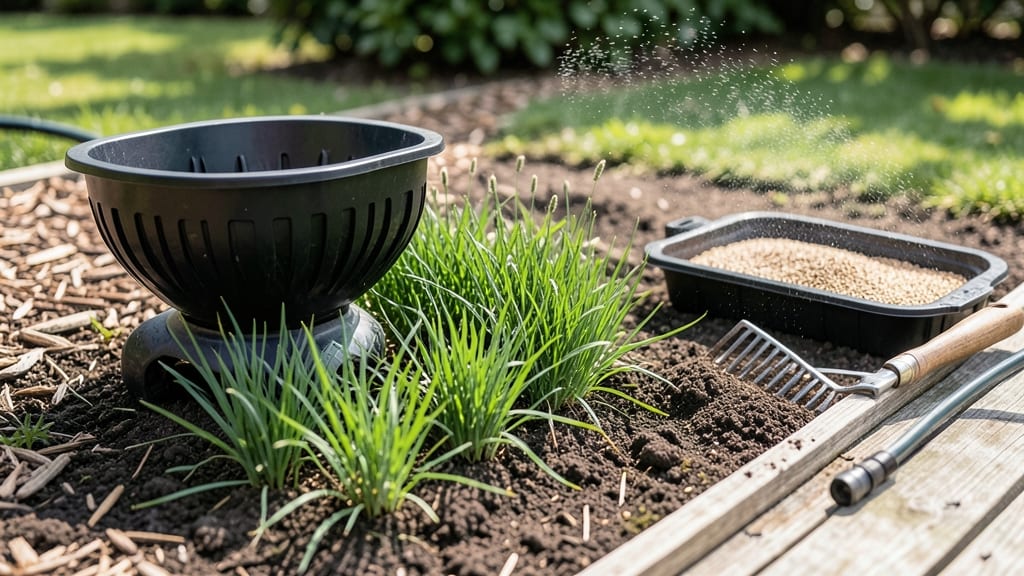
Planting grass seed in Minnesota at the right time means the difference between a lush lawn by summer and months of patchy, struggling 🌱 growth.
Picture this: you’ve spent your hard-earned cash on premium seed, only to watch it bake in the summer sun or freeze before it even sprouts. That’s why timing is everything—especially in Minnesota’s unpredictable climate.
In this guide, I’ll break down the best months for planting in Minnesota’s three zones, how to prep your soil for success, and what to watch for—whether you’re seeding in the Twin Cities, Duluth, or Rochester.
You’ll learn how to time it perfectly for germination, avoid common pitfalls, and keep your lawn thriving through Minnesota’s short growing season.
Best months to plant grass seed in Minnesota by climate Zone
Minnesota’s three distinct climate zones—North, Central, and South—create unique challenges for grass seed germination. Planting at the wrong time can lead to poor establishment, especially with early frosts or hot summer droughts. The key? Timing soil temperatures and frost dates to maximize success.
In Northern Minnesota (USDA Zones 3-4), like Duluth, the growing season is shorter, with last frost dates around May 15 and first frost by September 20. Central Minnesota (Twin Cities area, Zone 4) offers a slightly longer window, while Southern Minnesota (Zone 4-5) extends planting into late October.
Soil temperature is your best guide: Aim for 50°F (10°C) or warmer for germination. In spring, this typically aligns with late April to early May, while fall planting works best from mid-August to mid-September.
Here’s how to align your planting with Minnesota’s three zones, including frost risk and ideal soil conditions:
For Northern Minnesota, focus on early spring planting (late April) to avoid late-season frosts. In the Central zone, you can extend into early fall (late August), but stop by mid-September to prevent winter kill. Southern Minnesota gardeners enjoy the longest window, with late October possible for hardy varieties.
Always check 7-day soil temperatures before planting—cold soil delays germination. Use a soil thermometer ($10 at garden centers) to confirm readiness. If temperatures dip below 45°F (7°C), wait until conditions improve.
Avoid seeding in summer heat (June–July), as high temperatures and drought stress young grass. Instead, prioritize spring or fall when moisture is consistent and weeds are less competitive. In fall, seed 4–6 weeks before frost to allow roots to establish before winter.
Pro tip: Overseed in fall for a thicker lawn—cool temps reduce weed pressure and improve germination rates. Just be sure to water deeply 2x daily for the first 2 weeks to keep soil moist.
If you’re in Zone 3 (Northwest MN), consider winter ryegrass as a temporary cover crop to protect soil until spring planting. It dies back in summer, leaving room for your permanent grass seed.
Remember: Minnesota’s microclimates matter. A south-facing slope warms faster than a north-facing yard, so adjust planting dates accordingly. Always test your soil’s pH (6.0–7.0 ideal) and amend with lime or sulfur if needed.
How to prepare your lawn for grass seed planting in Minnesota
Minnesota’s unpredictable spring and fall weather can turn grass seed planting into a gamble—unless you prep your lawn the right way. The key to success lies in soil preparation, aeration timing, and post-planting care tailored to Minnesota’s short growing season.
Even if you’ve chosen the best months (like early September or late April), poor soil prep can sabotage germination rates.
I’ve planted grass seed in Duluth, Rochester, and the Twin Cities, and the difference between a thriving lawn and a patchy mess often comes down to these foundational steps. Let’s break it down so your seed gets the ideal conditions to sprout and establish before Minnesota’s first frost.
Step-by-Step Lawn Prep for Grass Seed in Minnesota
- 1 Test and adjust soil pH: Minnesota soils often lean acidic (pH 5.0-6.0). Aim for 6.0-7.0—use lime to raise pH if needed. Test kits cost $10 and save you from wasted seed.
- 2 Aerate 2-4 weeks before planting: Rent a core aerator ($60/day) to pull 3/8-inch plugs from compacted soil. Do this in spring (May) or fall (September) when soil is workable but not soggy.
- 3 Remove debris and dethatch: Clear leaves, thatch (>1/2 inch thick), and weeds. Use a dethatching rake or vertical mower setting. This prevents seed from smothering and improves contact with soil.
- 4 Apply starter fertilizer: Use a high-phosphorus (P) blend (e.g., 5-10-5) to encourage root growth. Spread 1/2 lb per 100 sqft and water it in. Avoid nitrogen-heavy fertilizers until after germination.
- 5 Spread seed evenly: Use a broadcast spreader for large areas or hand-scatter in small patches. Aim for 8-12 lbs of seed per 1,000 sqft (follow package rates). Lightly rake to bury seed 1/4 inch deep—no deeper!
- 6 Mulch with straw (not hay!): Apply 1/4-inch layer of straw to retain moisture and protect seed from birds. Use certified weed-free straw to avoid introducing weeds to your lawn.
- 7 Water lightly but frequently: Keep soil consistently moist (not soggy) for the first 2-3 weeks. Water twice daily (morning/evening) with a fine mist for 10-15 minutes per session. Reduce to 1/2 inch per week once sprouts appear.
After planting, resist the urge to walk on new seed—it takes 4-6 weeks for grass to establish a root system strong enough to handle foot traffic. In Minnesota, this means avoiding the lawn until you see 2-inch-tall blades and can walk without leaving prints.
One final tip: If you’re seeding in late summer (August-September), keep an eye on the 10-day forecast. A hard frost before germination means wasted seed—so have a backup plan if early frost warnings pop up.
With these steps, your Minnesota lawn will be dense, green, and resilient by next summer. 🌱