
Companion Plants
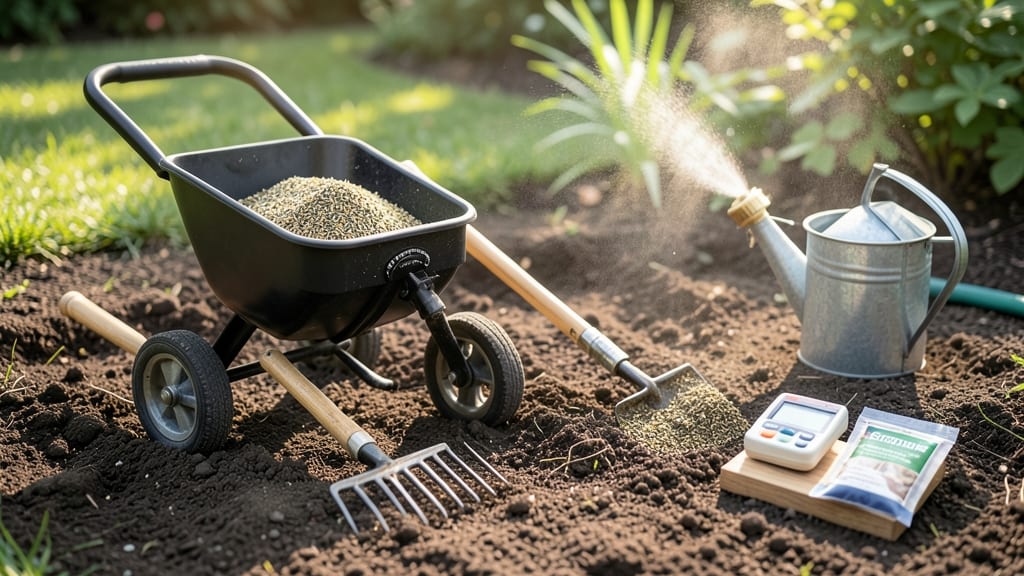
The best time to plant grass seed in Georgia is during late summer or early fall, when cooler temperatures give new grass the ideal conditions to establish strong roots before winter.
Georgia’s hot summers and unpredictable weather can make grass seed planting a tricky timing game—but getting it right means lush, green lawns that outlast the competition.
Cool-season grasses like Tall Fescue (🌱) love the 60–70°F soil of September, while warm-season types such as Bermuda prefer the heat of August. Miss these windows, and you risk drought stress or weeds stealing the show.
Here’s how to pick the perfect month for your zone, prep your soil like a pro, and keep your new grass growing strong through Georgia’s wild swings.
Georgia’s best grass seed planting months by climate zone (cool vs warm-season grasses)
Timing your grass seed planting in Georgia isn't one-size-fits-all—it depends on your climate zone and whether you're planting cool-season or warm-season grasses. The Coastal, Piedmont, and Mountain regions each have ideal windows to maximize germination and establish thick, resilient lawns.
Let's break down the science behind these planting windows so you can avoid common pitfalls like heat stress or weed competition.
Georgia's USDA Zones 7b-8b create microclimates where Bermuda grass thrives in summer while Tall Fescue dominates cooler months. The key? Planting when soil temperatures are just right—60-70°F for cool-season grasses and 75-85°F for warm-season varieties.
Miss this window, and you risk slow germination or seedling failure from extreme heat or cold.
Here’s the month-by-month breakdown tailored to Georgia’s three distinct regions, including the best grass types for each zone and critical weather risks to watch for:
| Climate Zone | Best Months to Plant | Grass Types Suited | Soil Temp Requirement (°F) | Key Weather Risks to Avoid |
|---|---|---|---|---|
| Coastal (Zone 8b) | August–September | Bermuda, Zoysia, Centipede | 75–85°F | Hurricane season (June–Nov), saltwater intrusion |
| Piedmont (Zone 7b-8a) | September–October | Tall Fescue, Ryegrass, Fine Fescue | 60–70°F | Late summer droughts, sudden cold snaps |
| Mountain (Zone 7a) | May–June | Kentucky Bluegrass, Perennial Ryegrass | 55–65°F | Frost risk (May), heavy rainfall |
| All Zones (Overseeding) | Early Fall (Sept–Oct) | Tall Fescue, Clover mixes | 60–70°F | Weed competition, improper watering |
For Coastal Georgia, late summer planting (August–September) aligns with Bermuda grass's peak growth period. The humidity and warm soil create ideal conditions for rapid germination, but watch for hurricane season disrupting your schedule.
If you’re in Savannah or Brunswick, aim for early September to avoid late-summer heat spikes.
The Piedmont region (including Atlanta and Macon) benefits from early fall planting (September–October) when soil temperatures drop to the perfect 60-70°F range for cool-season grasses like Tall Fescue. This window also avoids the intense summer heat that can bake seeds before they sprout.
Pro tip: Test your soil pH 4–6 weeks before planting—Georgia’s clay soils often need lime adjustments for optimal growth.
In the Mountains (e.g., Blue Ridge or Dahlonega), spring planting (May–June) works best for cool-season grasses like Kentucky Bluegrass. The cooler nights and moderate days reduce stress on seedlings, but be prepared for late frosts that can delay germination.
If you’re planting warm-season grasses here, wait until July to align with soil warming trends.
One critical mistake Georgia gardeners make? Planting warm-season grasses in spring instead of late summer. For example, Bermuda grass planted in March will struggle in the 100°F+ heat of June, while the same seed planted in August thrives.
Always check soil temperatures with a soil thermometer—aim for 75°F+ for warm-season varieties and 60°F+ for cool-season types.
To maximize success, pair your planting window with proper soil prep. Aerate compacted clay soils (common in Piedmont), add compost for organic matter, and apply a starter fertilizer with high phosphorus to encourage root growth. In Coastal areas, consider a sand topdressing to improve drainage.
Finally, watering schedules make or break your
5 Critical factors that determine your grass seed’s success in Georgia
Timing matters, but Georgia’s climate demands more than just picking the right month for planting grass seed. The soil conditions, watering consistency, and weed control can make or break your lawn’s success.
I’ve seen firsthand how even the best seeds fail when these factors are overlooked. Let’s break down what truly sets apart a thriving lawn from a patchy disappointment.
Georgia’s clay-heavy soils and humid summers create unique challenges. For example, in the Piedmont region, soils can become waterlogged after rain, while Coastal areas often struggle with salt buildup and poor drainage.
These conditions require proactive adjustments before you even spread that first bag of seed. Ignoring them means battling weeds, fungal issues, or slow germination from day one.
Test soil 4–6 weeks before planting. Georgia’s clay-heavy soils often need sulfur (for pH <6.0) or lime (for pH >7.0). Aim for a 6.0–7.0 range—this is non-negotiable for seed germination.
Keep soil consistently moist (1–1.5 inches/week) for 30 days post-planting. Use drip irrigation to avoid runoff, especially on slopes. Overwatering or letting soil dry out stresses young seedlings.
Apply pre-emergent herbicide 2 weeks before seeding (e.g., Siduron for Bermuda grass). This blocks weeds without harming your new grass. Post-emergent treatments should wait until seedlings are 3 inches tall.
Use a high-nitrogen starter fertilizer (30-0-4) 4–6 weeks after planting. Avoid phosphorus-heavy blends—they can burn tender roots. Slow-release options prevent runoff during Georgia’s sudden rainstorms.
Avoid foot traffic for 6–8 weeks. Mow when grass reaches 3–4 inches, never removing more than 1/3 of the blade. In Coastal Georgia, watch for brown patch fungus—reduce nighttime watering to prevent it.
One mistake I see Georgia gardeners make is rushing the soil prep. Skipping a soil test or ignoring organic matter levels leads to poor seed-to-soil contact. For example, in Mountain regions, acidic soils (pH <5.5) can stunt germination entirely. Amending with composted pine bark or pelletized sulfur solves this before planting.
After planting, watering schedules become critical. I’ve had clients call me in panic because their new lawn turned to crusty mud from uneven watering. Use a rain gauge to track moisture—Georgia’s afternoon thunderstorms can make it easy to overwater without realizing it.
Early morning watering (before 10 AM) minimizes evaporation and fungal risks.
Finally, don’t underestimate weed competition. Crabgrass and nutsedge thrive in Georgia’s heat, and they’ll outcompete your grass if not controlled. A corn gluten meal pre-planting can suppress weeds naturally, while mulching with straw retains moisture and blocks light from weed seeds.
Pro tip: Hand-pull weeds when soil is damp to avoid damaging new grass roots.
By focusing on these five factors—soil pH, watering consistency, weed prevention, fertilizer timing, and post-planting care—you’ll give your Georgia lawn the best possible start. The difference between a thin, patchy lawn and a dense, green carpet often comes down to these details. 🌱