
Plants
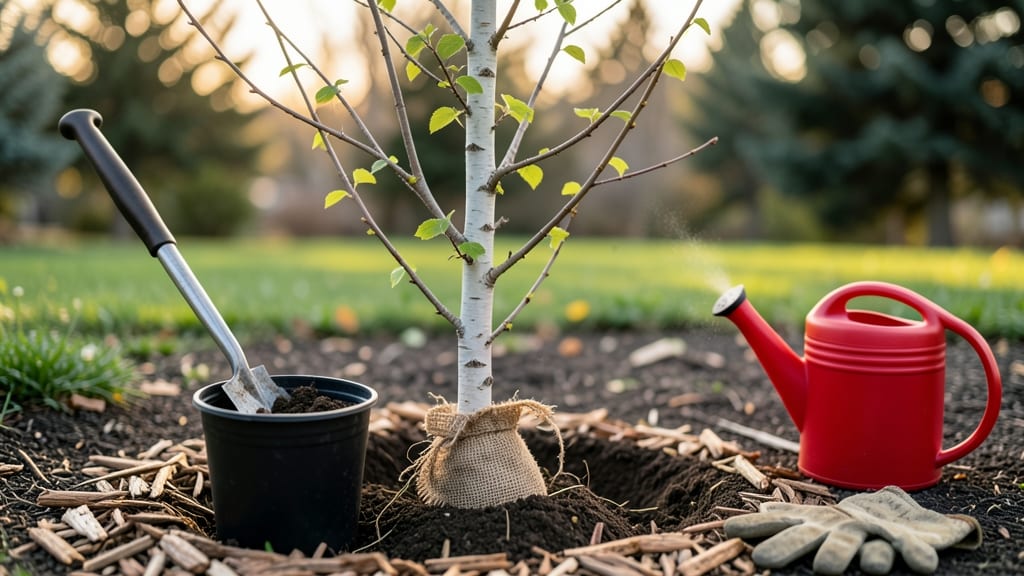
The best time to plant a tree in Colorado is late winter to early spring, when soil temperatures rise and frost risks ease—critical for root establishment before summer’s heat.
Planting a tree in Colorado at the wrong time can mean struggling growth, stunted roots, or even death—so timing is everything for long-term success. If you wait too late, summer drought stresses young roots before they’ve had a chance to anchor.
Colorado’s USDA Zones 5-7 mean your ideal window shifts slightly by elevation: Denver’s 5b-6a thrives with March-April plantings, while higher zones like 7a can start as early as February. Fall is a distant second, but only if you’re planting bare-root trees before the first frost.
Below, I’ll break down the zone-by-zone planting calendar, soil prep secrets for Colorado’s dry clay, and the top 3 tree species that outperform others in our short growing season. No guesswork—just data-backed timing for a tree that grows strong and survives our wild swings in weather.
Colorado’s USDA Zones and ideal planting months for tree root establishment
Colorado’s diverse elevations create USDA Zones 4-7, meaning your tree’s planting window varies dramatically from the Front Range to the mountains. In Zone 4 (high elevations like Steamboat Springs), aim for late April to early June when frost risk drops.
Meanwhile, Zone 7 areas (Albuquerque border) can plant as early as February—but timing is critical for root establishment before winter dormancy.
Spring planting gives roots 6-8 weeks of warm soil before summer drought, while fall planting (late August to October) lets trees establish before cold sets in. Bare-root trees need moist soil for root regrowth, so avoid planting when ground is frozen or waterlogged.
Container-grown trees offer more flexibility but still require workable soil and no extreme heat.
Here’s your zone-specific planting guide with ideal months and key considerations:
| USDA Zone | Ideal Planting Window | Key Soil Temp | Avoid Planting If... | Best Tree Types |
|---|---|---|---|---|
| Zone 4 (High Mountains) | Late April–Early June | 45–55°F (7–13°C) | Frost risk or waterlogged soil | Colorado Blue Spruce, Larch, Mountain Ash |
| Zone 5 (Denver, Fort Collins) | March–April or Sept–Oct | 50–60°F (10–16°C) | Extreme heat (>90°F) or late frosts | Aspen, Hackberry, Serviceberry |
| Zone 6 (Pueblo, Colorado Springs) | February–March or Aug–Sept | 55–65°F (13–18°C) | Drought or windy conditions | Crabapple, Red Maple, Ponderosa Pine |
| Zone 7 (Near Albuquerque border) | January–February or Sept–Oct | 60–70°F (16–21°C) | Summer heatwaves (>100°F) | Russian Olive, Desert Willow, Mesquite |
In Zone 4, prioritize late spring planting to avoid early frosts that can damage tender roots. For Zone 5-7, both spring and fall work—just ensure roots establish 4-6 weeks before winter. Container-grown trees can handle fall planting better than bare-root, as their roots stay protected.
Colorado’s short growing season means timing matters more than in warmer climates.
Plant too early, and roots may suffocate in cold soil; too late, and summer drought stresses young trees. Check local frost dates—Denver’s average last frost is April 15, but mountainous areas can wait until June 1.
For urban areas, microclimates matter: South-facing yards warm faster, while north sides stay cooler. Wind exposure also affects planting—sheltered spots reduce transplant shock. Always amend soil with compost to improve drainage in Colorado’s clay-heavy soils.
Pro tip: Water deeply after planting to encourage root spread. In Zone 6-7, mulch with 3 inches of wood chips to retain moisture during dry spells. Avoid fall planting in Zone 7 if temperatures stay above 70°F—roots won’t dormancy properly.
Evergreens like Colorado Blue Spruce need well-draining soil to prevent root rot, while deciduous trees (like Aspen) tolerate wetter conditions. Drought-tolerant species (e.g., Russian Olive) are ideal for Zone 6-7 where summer water restrictions may apply.
Remember: Bare-root trees must be planted within 24–48 hours of purchase to prevent root desiccation. Container-grown trees can wait 1–2 weeks, but keep them shaded and watered. Always prune damaged roots before planting to promote faster establishment.
🌳
Signs your tree planting timing is perfect (or terrible) in Colorado’s climate
Colorado’s climate throws curveballs—freezing nights, sudden heatwaves, and unpredictable snowfall. Planting a tree at the wrong time can leave your sapling struggling to establish roots, or worse, withering before it even takes hold. The key is reading your soil, weather, and tree’s readiness like a pro gardener.
Ideal timing isn’t just about the calendar—it’s about soil temperature, moisture levels, and avoiding Colorado’s infamous late spring frosts or summer droughts. For example, bare-root trees need to go in the ground while dormant but before buds swell, usually in March or early April.
Container-grown trees offer more flexibility, but they still need workable soil and consistent moisture.
Here’s the red flag: If your soil is still frozen or waterlogged from spring thaw, roots can’t establish properly. Similarly, planting in July or August risks heat stress and shallow root systems that won’t survive winter.
Even fall planting requires caution—you want roots to grow but not flush new top growth before frost.
⚠️ Warning: Colorado-Specific Planting Pitfalls
❌ Avoid planting when:
- Soil temp is below 40°F (roots won’t activate)
- Forecasts show frost within 2 weeks (new growth will die)
- Drought warnings are active (shallow roots = weak trees)
✅ Optimal signs:
- Soil is 60°F+ and crumbly (not muddy or frozen)
- Last frost date has passed (check USDA Zone 5-7 maps)
- Moisture is consistent (no waterlogging or bone-dry soil)
Check your soil temperature with a simple soil thermometer—ideal planting temps hover around 60-70°F. If your thermometer reads below 50°F, wait. Also, moisture matters: Stick your finger 6 inches deep.
If it feels dry, water deeply before planting. Conversely, if it’s soggy, hold off until excess water drains away.
Colorado’s elevation matters. Trees in Denver (Zone 5) may thrive planted in late April, while those in mountainous areas (Zone 6-7) need to wait until May or early June.
Always cross-reference with your local CoCoRaHS weather station or Colorado State University Extension for frost dates and rainfall trends.
Pro tip: Mulch immediately after planting to retain moisture and regulate soil temperature. Use 3-4 inches of organic mulch (like wood chips), but keep it 6 inches away from the trunk to prevent rot.
Pair this with a deep watering schedule—10-20 gallons per tree—to help roots spread before winter sets in.
Listen to your tree. If new leaves yellow or wilt after planting, it’s a sign of stress from poor timing. Conversely, a vigorous flush of new growth within 4-6 weeks means you’ve nailed the window.
In Colorado, patience pays off—the best planting months are March-April for spring and September-October for fall, but always verify with local conditions.