
Plants
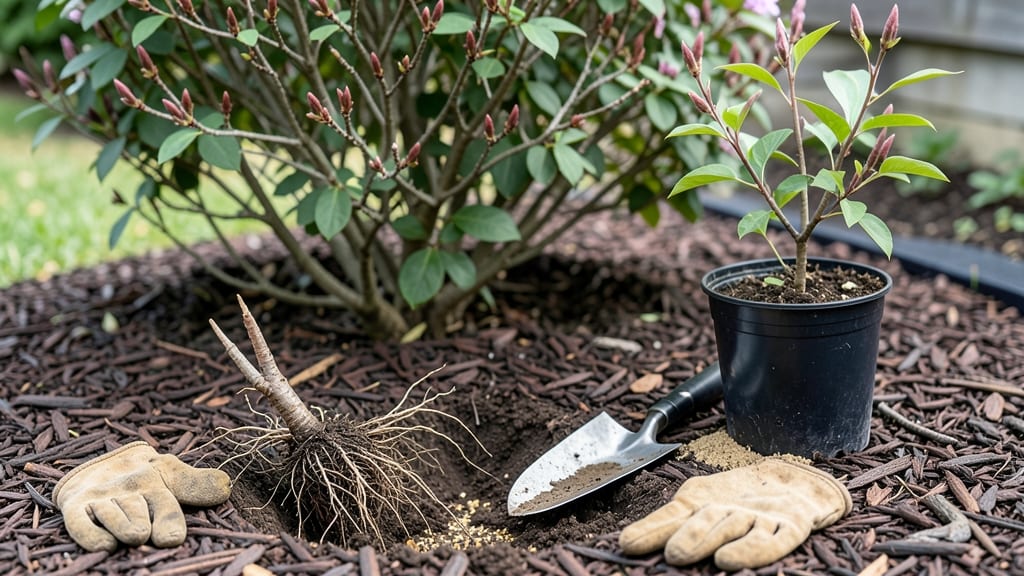
Planting lilacs in Colorado at the right time means the difference between fragrant spring blooms and years of waiting for your 🌸 bushes to thrive.
Timing your lilac planting in Colorado can mean the difference between vibrant spring blooms and years of waiting—get it wrong, and your fragrant bushes may never thrive. With Colorado’s diverse USDA zones (3-7), knowing the perfect planting window is essential for success.
Most gardeners in zones 5-7 should plant lilacs in early spring (March-April) or early fall (September-October), when soil temperatures are cool but stable. This timing helps roots establish before summer heat or winter frost sets in.
Below, I’ll break down the best planting months for your specific Colorado zone, soil prep tips, and how to choose cold-hardy varieties that thrive in our high-altitude climate.
Best planting months for lilacs in Colorado by USDA zone
Colorado's USDA zones 3-7 create unique challenges for lilac planting, where timing directly impacts root establishment and bloom success. Unlike warmer climates, Colorado's cold winters and short growing seasons demand precise planting windows to avoid frost damage or stunted growth.
The ideal soil temperature for lilacs is between 40-60°F, which Colorado typically achieves in early spring and fall.
For gardeners in USDA zones 5-7 (covering most of Colorado), the perfect planting windows are March-April or September-October. These periods allow roots to establish before winter dormancy or summer heat stress.
In higher-altitude zones 3-4 (like Steamboat Springs), aim for late April to early May to avoid late frosts that can damage tender new growth.
Colorado's microclimates add complexity—Denver's USDA zone 5b may see last frosts in mid-April, while Colorado Springs' zone 6a might wait until early May. Always check your local last frost date and plant 1-2 weeks before to give roots time to establish before cold snaps.
Here's a quick reference for Colorado's zone-specific planting windows:
| USDA Zone | Best Planting Months | Soil Temp Range | Key Varieties |
|---|---|---|---|
| 3-4 (High Altitude) | Late April - Early May | 40-50°F | 'Miss Canada', 'Dwarf Korean' |
| 5 (Denver, Fort Collins) | March - April or Sept-Oct | 40-60°F | 'Katherine Havemeyer', 'Syringa vulgaris' |
| 6 (Colorado Springs) | March - April or Sept-Oct | 45-65°F | 'President Lincoln', 'Mme. Lemoine' |
| 7 (Southwest CO) | February - March or Sept-Oct | 50-70°F | 'Beauty of Moscow', 'Charles Joly' |
Fall planting offers advantages in Colorado's climate. When you plant in September or October, lilacs establish roots before winter dormancy, giving them a head start in spring.
This method works especially well for bare-root lilacs, which thrive when planted while dormant. Just ensure the ground isn't frozen—aim for 4-6 weeks before first frost.
For container-grown lilacs, you have slightly more flexibility. These can be planted throughout the growing season, but avoid extreme heat (July-August) when transplant shock becomes more likely. In Colorado's dry climate, always water deeply after planting to help roots penetrate the alkaline soil common in many regions.
Colorado's elevations above 5,000 feet create unique challenges. At these altitudes, plant in late spring to avoid late frosts that can damage emerging shoots. Choose hardy varieties like 'Miss Canada' or 'Dwarf Korean' that tolerate colder temperatures and shorter growing seasons.
These varieties often bloom earlier in the season, capitalizing on Colorado's brief spring window.
Pro tip: If you're planting in USDA zone 7 (southwestern Colorado), you can push planting to early February for spring blooms. The milder winters allow for earlier soil warming. However, always monitor soil temperatures—lilacs won't thrive if planted in frozen ground, regardless of the calendar month.
Remember that Colorado's drought conditions can stress newly planted lilacs. After planting, mulch heavily with 2-3 inches of organic mulch to retain moisture and regulate soil temperature. This is especially critical in zone 6 and 7, where summer heat can dry out roots quickly.
Water deeply once a week for the first growing season to encourage strong root development.
For maximum fragrance and bloom abundance, pair your planting timing with proper pruning techniques. If you plant in fall, prune lightly to shape the plant. If planting in spring, wait until after blooming to prune.
This ensures your lilacs establish a strong framework before entering their next dormancy cycle—critical for Colorado's harsh winters.
Signs your Colorado soil is ready for lilac planting (and how to fix it)
Colorado’s alkaline soil and unpredictable drought conditions can make lilac planting tricky. But before you dig, check three key signs: soil temperature above 40°F, moisture retention without sogginess, and drainage that prevents water pooling.
Lilacs hate soggy roots, so if your soil stays wet for days, it’s not ready yet.
Your local USDA zone (3-7) also dictates timing. In Zone 5-7, aim for early spring (March-April) when frost risk drops, or early fall (September-October) before the first hard freeze. Colorado’s high-altitude zones (like Zone 4) need even earlier spring planting to avoid late frosts.
⚠️ callout-warning
⚠️ Colorado-Specific Warning: Alkaline Soil & Drought Risks
Problem: Colorado’s pH 7.5-8.5 soil (alkaline) and low organic matter can stunt lilac roots. Drought stress in summer also kills young plants.
Fix It: Test pH (aim for 6.0-7.0) and amend with sulfur or peat moss. Add 3-4 inches of compost to improve moisture retention.
Pro Tip: Mulch with wood chips to lock in moisture and cool roots during Colorado’s hot summers.
Start by testing your soil drainage. Dig a 12-inch hole, fill it with water, and time how long it takes to drain. If it’s still damp after 6 hours, your soil is too clay-heavy.
Amend with sand or perlite to improve airflow. Lilacs need well-draining soil to avoid root rot, especially in Colorado’s Zone 6-7 where summers can be brutal.
Check for earthworms and microbial activity—healthy soil teems with life. Dig a small sample and look for tunnels or dark, crumbly texture. If your soil feels compacted or lifeless, mix in compost or aged manure to jumpstart organic matter.
Colorado’s arid climate drains nutrients quickly, so feed your soil before planting.
Finally, monitor soil temperature with a probe. Lilacs thrive when roots can warm to 50-60°F. In Denver (Zone 5), wait until mid-April; in Colorado Springs (Zone 5-6), aim for late March. Use a soil thermometer to avoid guessing—cool roots struggle to establish in warm-weather planting.
If your soil fails any of these tests, don’t panic. Amend it with organic matter, gypsum for drainage, or lime to adjust pH (if too acidic).
Colorado’s dry air and intense sun demand prep work, but with the right soil, your lilacs will reward you with fragrant blooms for decades.