
Trees
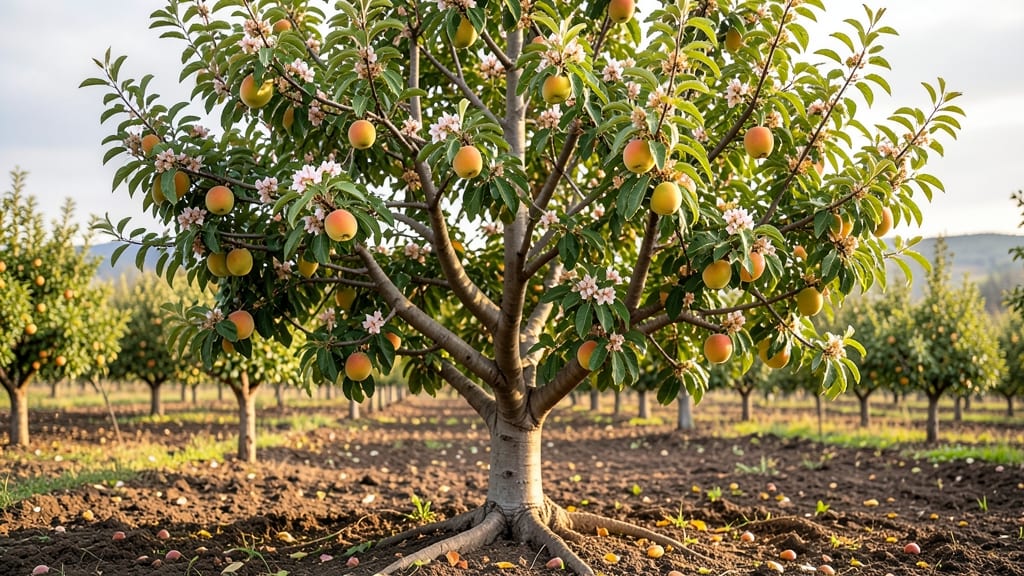
How tall peach trees grow depends on their variety, with the dwarf types reaching just 8 feet while standard trees can tower over 25 feet—all influenced by rootstock and care.
If you're dreaming of juicy homegrown peaches but limited by space, understanding peach tree height variations could mean the difference between a backyard orchard and a balcony-friendly dwarf variety.
Standard varieties reach their towering 20-30 foot heights over 5-7 years, while dwarf trees stay manageable at 8-12 feet—perfect for containers or small gardens. The right choice depends on your space, climate, and long-term maintenance goals.
In this guide, I’ll break down height expectations by variety, share space-saving tips, and explain how pruning and rootstock influence growth so you can pick the perfect peach tree for your needs.


Peach tree height variations: dwarf to standard to giant sizes explained
Choosing the right peach tree height depends entirely on your space and long-term gardening goals. Dwarf varieties can fit cozy patios, while standard trees dominate backyard orchards. The key difference lies in rootstock selection, which determines both height and fruit production potential.
Whether you have a small balcony or a sprawling farm plot, understanding these variations helps you select the perfect peach tree for your needs.
Most peach trees reach maturity between 3 to 16 feet, but their growth patterns vary dramatically. Dwarf trees stay under 10 feet, making them ideal for containers or urban gardens. On the other end, standard varieties can tower over 20 feet, requiring significant space and maintenance.
The rootstock you choose directly impacts how tall your tree will grow, so let's break down the options to help you make an informed decision.
| Tree Type | Mature Height | Rootstock Example | Growth Rate | Best For |
|---|---|---|---|---|
| Dwarf | 3–8 ft | Lovell, Nemaguard | Slow to moderate | Containers, small yards, urban gardens |
| Semi-Dwarf | 8–12 ft | Flordaguard, Halford | Moderate | Backyard orchards, medium spaces |
| Standard | 15–25 ft | Seedling, Nemared | Fast | Large properties, rural farms |
| Giant (Vigorous) | 20–30+ ft | Seedling (un-grafted) | Very fast | Commercial orchards, expansive land |
If you're working with limited space, dwarf peach trees are your best bet. These varieties, often grafted onto Lovell or Nemaguard rootstock, typically mature between 3 to 8 feet. They're perfect for container gardening or small patios, and many even produce high-quality fruit despite their compact size.
For example, the 'Bonanza' variety stays under 6 feet while yielding sweet, juicy peaches.
For those with a bit more room, semi-dwarf peach trees strike a balance, reaching 8 to 12 feet at maturity. These trees, often grafted onto Halford or Flordaguard rootstock, offer a middle ground between manageable size and robust fruit production.
Varieties like 'Redhaven' or 'Elberta' thrive in this category, making them popular choices for suburban backyards.
Standard peach trees are the classic choice for larger properties, growing 15 to 25 feet tall when fully mature. These trees, often grafted onto seedling or Nemared rootstock, require ample space but reward growers with abundant fruit production.
If you have a spacious yard or rural land, a standard tree like 'Suncrest' or 'Contender' can become a stunning focal point while providing a bountiful harvest.
In rare cases, you might encounter vigorous or giant peach trees, which can exceed 20 feet in height. These trees are typically un-grafted seedlings and are more common in commercial orchards where space isn't a constraint.
While they produce large quantities of fruit, their rapid growth and significant height make them impractical for most home gardens unless you have extensive land.
One common misconception is that dwarf trees produce fewer peaches than their taller counterparts. In reality, dwarf varieties often yield just as much fruit per tree because their compact size makes it easier to manage branches and ensure proper sunlight exposure.
With the right pruning and care, a well-maintained dwarf peach tree can produce just as many peaches as a standard tree—just in a much smaller footprint.
When selecting a peach tree, always consider your climate zone and available sunlight. Most peach trees thrive in USDA Zones 5-9 and require full sun (6+ hours daily).
Dwarf varieties may tolerate slightly less sunlight, but they still need at least 5-6 hours of direct light to produce quality fruit. Before planting, check your local last frost date to ensure you're planting at the right time for optimal growth.
No matter which height you choose, proper soil preparation is critical. Peach trees prefer well-draining, slightly acidic soil (pH 6.0-6.5). Amending your soil with compost and organic matter before planting gives your tree the best start.
Additionally, mulching around the base helps retain moisture and regulate soil temperature, which is especially important for dwarf trees in containers.
Remember, the height of your peach tree isn't set in
How to choose the right peach tree height for your space
Choosing the perfect peach tree height depends on your available space, gardening goals, and long-term commitment. A standard peach tree can reach 20-30 feet, while dwarf varieties stay compact at 8-12 feet.
My urban garden only had room for a semi-dwarf variety, saving space while still producing plenty of fruit. Let’s explore how to match tree height to your unique situation.
Before selecting a height, consider your garden layout and maintenance capacity. Taller trees require more pruning, while dwarf varieties need container-friendly care. I’ve learned that climate zones also play a role—warmer regions can support larger trees, while cooler areas benefit from compact varieties.
Let’s break down the pros and cons to help you decide.
Peach Tree Height Comparison
Dwarf (8-12 ft)
- Pros: Space-saving, ideal for containers, easier to harvest
- Cons: Lower fruit yield, shorter lifespan
Semi-Dwarf (12-18 ft)
- Pros: Balanced size, higher yield, longer lifespan
- Cons: Needs pruning, not container-friendly
Standard (20-30 ft)
- Pros: Highest yield, long lifespan, traditional look
- Cons: Requires large space, intensive pruning
Container Varieties (6-10 ft)
- Pros: Perfect for patios, movable, low maintenance
- Cons: Limited root space, smaller fruit size
For small spaces, I recommend dwarf or container varieties like the Bonanza or Redhaven grafted on Lovell rootstock. These stay under 10 feet and thrive in 5-gallon pots with proper drainage. My balcony peach tree in a fabric grow bag produces enough fruit for my family each summer!
If you have a large backyard, a standard peach tree offers unmatched productivity. Just be prepared for annual pruning to manage height and shape. I prune my Elberta peach tree in late winter, removing water sprouts and thinning branches to improve airflow.
This keeps it under 20 feet while maximizing fruit production.
Don’t overlook climate considerations. In USDA Zone 6 or colder, dwarf varieties handle frost better due to their shorter stature. I’ve seen semi-dwarf trees in Zone 7 thrive with minimal winter protection, while standard trees in Zone 8 need mulching to protect roots.
Always check your zone before planting!
Remember, tree height isn’t set in stone. With strategic pruning techniques, you can shape even standard varieties to fit your space. I use the open-center method to keep my tree manageable while encouraging fruit production. Start pruning young trees to establish good habits—this makes future maintenance much easier!