
Trees
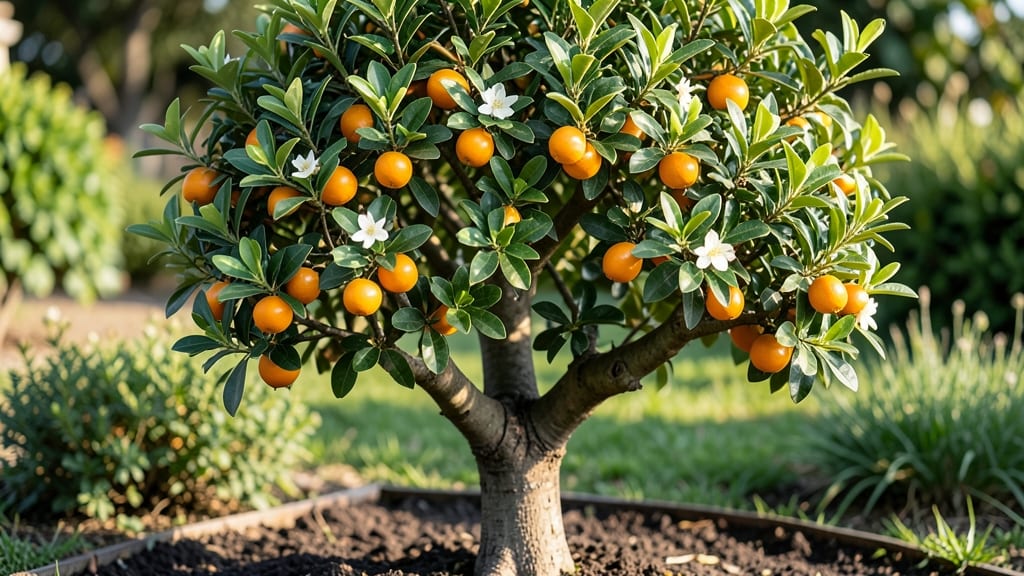
How tall do kumquat trees grow? They range from 4 feet for dwarf varieties to over 20 feet for standard types, making them a versatile choice for both small patios and spacious backyards.
If you're dreaming of growing kumquats in your backyard but worried about space, you’ll be relieved to know these citrus gems come in sizes from tiny dwarf varieties to towering giants—each with its own care needs and harvest potential.
For gardeners in USDA zones 9-11, where kumquats thrive, the right variety can transform a balcony into a fruit-bearing oasis or a backyard into a year-round citrus grove.
Below, I’ll break down the height ranges by popular variety, how to control growth with pruning, and the best space-saving options for containers—so you can pick the perfect size for your garden.


Kumquat tree height ranges by variety: dwarf to giant sizes explained
Choosing the right kumquat variety depends heavily on your space constraints. Some varieties stay under 6 feet while others can reach 20 feet at maturity. Understanding these height ranges helps you plan your garden layout or container setup before planting.
Kumquats grow at different rates based on their genetics. Dwarf varieties like 'Centennial' mature in 3-5 years, while standard types like 'Meiwa' take 5-7 years to reach full height. This growth timeline affects when you'll see fruit production.
Your growing method also impacts height. Container-grown kumquats typically stay 20-30% shorter than those planted in-ground due to restricted root space. This makes dwarf varieties ideal for patios while standard types need yard space.
Here’s how popular kumquat varieties compare in mature height and growth habits:
The Centennial kumquat is my top recommendation for small spaces. Its compact size makes it perfect for 15-25 gallon containers while still producing abundant fruit. Just ensure you place it where it gets 6+ hours of sunlight daily.
For larger yards, the Meiwa variety offers bigger fruit and faster growth. However, its mature height requires 10+ feet of clearance above and below branches. Prune annually to maintain shape and control height.
Container growing affects both height and fruit production. Smaller pots restrict root growth, so choose varieties like 'Centennial' or 'Calamondin' that tolerate root-bound conditions. Always use pots with drainage holes to prevent root rot.
If you're growing kumquats in-ground, plan for their mature height by spacing trees 8-12 feet apart for standard varieties. This spacing allows proper airflow, reducing disease risk while accommodating future growth.
Regular pruning can reduce a kumquat's height by 20-30% if done correctly. Focus on removing suckers and overlapping branches during late winter or early spring when the tree is dormant.
Remember that kumquats grow best in USDA Zones 9-11. In cooler climates, grow them in containers and bring them indoors during winter months. This protects them from frost damage while maintaining manageable heights.
Whether you choose a dwarf, semi-dwarf, or standard variety, understanding these height ranges helps you create a kumquat garden that fits your space perfectly. Start small with a container variety, then expand as you gain experience!
How to control kumquat tree height: pruning tips for small spaces
Keeping your kumquat tree at a manageable height is easier than you think, especially when you use the right pruning techniques.
Whether you're working with a dwarf variety like 'Centennial' or a taller 'Meiwa', strategic cuts can transform a wild, unruly tree into a neat, productive plant that fits your space perfectly. The key is understanding when and how to prune to encourage compact growth without harming the tree.
Timing is everything with kumquats. The best time to prune is in late winter or early spring, just before new growth begins. This gives your tree time to heal and prepare for the growing season.
Avoid heavy pruning in summer or fall, as this can stress the tree and reduce fruit production. Even light maintenance pruning should be done carefully to avoid damaging branches that support next year's harvest.
Before you grab your shears, gather the right tools. You'll need sharp bypass pruners for clean cuts, sterilized pruning saw for thicker branches, and gloves to protect your hands.
Sterilizing your tools with rubbing alcohol between cuts prevents the spread of disease, which is especially important for citrus trees that are prone to fungal issues. Keep a small spray bottle with water handy to clean your tools mid-pruning session.
Step-by-Step Pruning Guide for Kumquat Trees
-
Step 1: Assess Your Tree
Examine the tree for dead, diseased, or crossing branches. Remove these first—they compete for nutrients and can harbor pests.
-
Step 2: Plan Your Cuts
Decide whether you're using heading back (cutting back to a bud) or thinning cuts (removing entire branches). For height control, focus on the upper branches.
-
Step 3: Make Clean Cuts
Cut just above a bud or branch collar at a 45-degree angle. Avoid leaving stubs, which can rot and invite pests.
-
Step 4: Shape Gradually
Aim to reduce height by no more than 25% in one session. Over-pruning can shock the tree and reduce fruit production.
-
Step 5: Fertilize & Water
After pruning, apply a balanced citrus fertilizer and water deeply to help the tree recover. This supports new growth and fruit development.
For container-grown kumquats, pruning is even more critical since space is limited. Use the heading back method to encourage bushier growth and more fruit production. Trim back the tips of branches to promote lateral shoots, which will fill out the tree's shape.
Remember, container trees need more frequent pruning—every 4-6 weeks during the growing season—to maintain their size and health.
If your kumquat tree is already too tall, don't panic. You can reduce its height over time with gradual pruning sessions. Start by removing the topmost branches first, then work your way down.
This approach prevents stress and allows the tree to adjust. Pair this with regular thinning cuts to improve airflow and sunlight penetration, which are essential for healthy fruit development.
With the right techniques, you can keep your kumquat tree at the perfect height for your space—whether that's a 6-foot dwarf in a pot or a 10-foot standard in your backyard.
Pruning isn't just about size control; it's also about shaping a tree that's productive, healthy, and easy to care for. Happy pruning! 🪴✂️