
How To
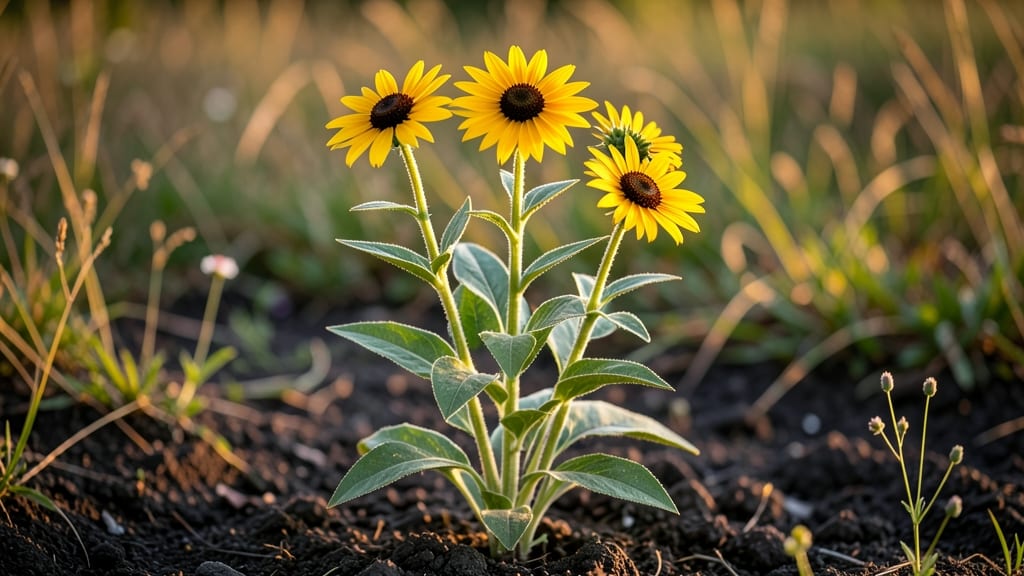
Rudbeckia grows anywhere from 8 inches to over 4 feet tall, depending on the variety and growing conditions you provide.
If you're dreaming of adding bold, golden blooms to your garden but wondering how much vertical space they’ll need, you’re not alone. This perennial’s height can swing wildly—from compact dwarf types perfect for containers to towering border giants that steal the show in pollinator gardens.
Some varieties, like the popular 'Goldsturm', reach 2 to 3 feet at maturity, while others, such as 'Cherry Brandy', stay under 2 feet. The key to controlling their height lies in sunlight, soil, and pruning—factors we’ll break down to help you tailor your garden layout.
Whether you’re planning a sunny border, a cut-flower arrangement, or a pollinator-friendly meadow, knowing how tall your rudbeckia will grow ensures your garden thrives with the right balance of space and stunning blooms.


Rudbeckia height by variety: dwarf to giant types explained
Choosing the right rudbeckia variety depends on your garden's vertical space and design goals. These sun-loving perennials range from compact 8-inch dwarfs to towering 4-foot giants, each offering unique blooms and growth habits.
Whether you're planning a pollinator garden or a border planting, understanding these height differences will help you create a balanced, thriving landscape.
Rudbeckia plants are divided into three main height categories: dwarf varieties (under 12 inches), medium-height types (12-36 inches), and tall varieties (36+ inches). The key to successful planting lies in matching each variety's mature height to your garden's layout and sunlight conditions.
For example, tall rudbeckia varieties like 'Indian Summer' need space at the back of borders, while dwarf rudbeckia like 'Cherry Brandy' shine in containers or front-of-border displays.
Proper spacing is critical—crowding stunts growth, while giving plants room encourages full, healthy blooms. Most rudbeckia varieties benefit from 12-24 inches of space between plants, but dwarf types can thrive in 6-12-inch clusters. Always check the specific variety's spacing recommendations to avoid competition for nutrients and sunlight.
| Variety | Mature Height | Spread | Growth Habit | Ideal Spacing |
|---|---|---|---|---|
| 'Cherry Brandy' | 8-12 in | 12-18 in | Compact, mounding | 6-12 in apart |
| 'Goldsturm' | 24-36 in | 18-24 in | Upright, clumping | 18-24 in apart |
| 'Indian Summer' | 36-48 in | 24-36 in | Tall, sturdy stems | 24-36 in apart |
| 'Little Gold' | 6-10 in | 10-12 in | Dwarf, bushy | 6 in apart |
| 'Herbstsonne' | 20-30 in | 18-24 in | Semi-dwarf, spreading | 12-18 in apart |
The 'Goldsturm' variety is one of the most popular medium-height rudbeckia types, reaching 24-36 inches at maturity with a clumping growth habit. This makes it perfect for mid-border plantings or as a cut flower addition to bouquets.
When planting, space these varieties 18-24 inches apart to allow for their natural spread while maintaining airflow to prevent fungal issues.
For tall rudbeckia varieties like 'Indian Summer', plan for 36-48 inches of vertical space. These varieties make stunning backdrop plants in cottage gardens or pollinator-friendly meadows. Their sturdy stems support heavy blooms, but they may need staking in windy areas.
Space them 24-36 inches apart to prevent overcrowding and ensure each plant gets adequate sunlight.
If you're working with limited space, consider dwarf rudbeckia varieties like 'Little Gold' or 'Cherry Brandy'. These stay under 12 inches tall and thrive in containers, rock gardens, or as edging plants.
Their compact growth habit makes them ideal for small yards or urban gardens where space is at a premium. Plant these varieties 6-12 inches apart for a lush, full look.
When selecting rudbeckia for your garden, also consider their bloom time and color variations. For example, 'Goldsturm' blooms from mid-summer to fall with golden-yellow flowers, while 'Cherry Brandy' offers deep red-brown blooms in early summer. Mixing heights and colors creates visual interest and extends your garden's seasonal appeal.
Remember that rudbeckia height can vary slightly based on growing conditions. Plants in full sun with well-draining soil tend to grow taller and produce more blooms, while those in partial shade may stay shorter and bushier.
Always monitor your plants' growth and adjust spacing or pruning as needed to maintain a healthy, balanced garden.
How rudbeckia growth habits affect garden design choices
Rudbeckia's height and spread make it a design powerhouse, but choosing the right variety for your space is key. Whether you're creating a pollinator-friendly meadow or a structured border garden, understanding growth habits ensures your rudbeckia thrives without crowding other plants.
I've learned that taller varieties like 'Indian Summer' (3-4 ft) demand different placement than compact types like 'Cherry Brandy' (1-2 ft). Let's explore how to use these differences to elevate your garden's structure and beauty.
For border gardens, I always place the tallest rudbeckia varieties at the back, creating a stunning backdrop. Shorter types like 'Gloriosa Daisy' (1.5-2 ft) work beautifully in the front, where they spill over edges and attract butterflies.
This layered approach not only maximizes visual impact but also prevents taller plants from shading out their shorter neighbors. The key is spacing: give each plant room to reach its mature width (12-36 inches) while maintaining airflow to prevent disease.
Pollinator gardens benefit from mass planting with rudbeckia's mid-height varieties (2-3 ft), like 'Goldsturm'. These create a continuous nectar source for bees and butterflies while maintaining an open, airy feel. I like to interplant them with low-growing companions like coneflowers or sedum to add texture without competing for space. The golden blooms also provide a striking contrast against purple or blue flowers, creating a vibrant color palette that draws in pollinators all season.
- 1-2 ft (Dwarf types): Front of borders, containers, rock gardens
- 2-3 ft (Medium types): Mid-border planting, pollinator meadows, cut flower gardens
- 3-4 ft (Tall types): Back of borders, specimen planting, tall flower arrangements
- Choose compact varieties (under 2 ft) for containers
- Use 12-15" pots for single plants, larger for groupings
- Pair with trailing plants like sweet potato vine
- Select tall, sturdy stems (3-4 ft) for arrangements
- Plant in dedicated cutting gardens for easy harvest
- Harvest when buds begin opening for longest vase life
When using rudbeckia as specimen plants, I always opt for the tallest varieties like 'Autumn Sun' (3-4 ft) to create focal points in perennial beds. These dramatic plants work beautifully when placed 5-6 feet apart to allow their bold blooms to stand out against other perennials.
For a more natural look, I'll group 3-5 plants together, letting their golden-yellow flowers create a sunlit statement in the landscape. The key is to consider both mature height and spread when planning these statement pieces.
Don't overlook rudbeckia's potential in container gardens, where dwarf varieties shine. I've found that 1-2 ft types like 'Prairie Sun' thrive in 12-15" pots, making them perfect for patios and balconies. The secret is using a well-draining potting mix and regular deadheading to encourage continuous blooming.
For extra impact, I'll pair them with complementary annuals like salvia or calibrachoa to create colorful container combinations that last all season.
Remember that rudbeckia's growth habits aren't just about height—their spreading nature matters too. I always leave 12-18 inches between plants when creating mass plantings in pollinator gardens, allowing them to fill in without becoming too crowded. This spacing also prevents powdery mildew, a common issue in dense rudbeckia plantings.
By thoughtfully considering both height and spread, you can create garden designs that are visually stunning and low-maintenance at the same time. 🌻