
Size
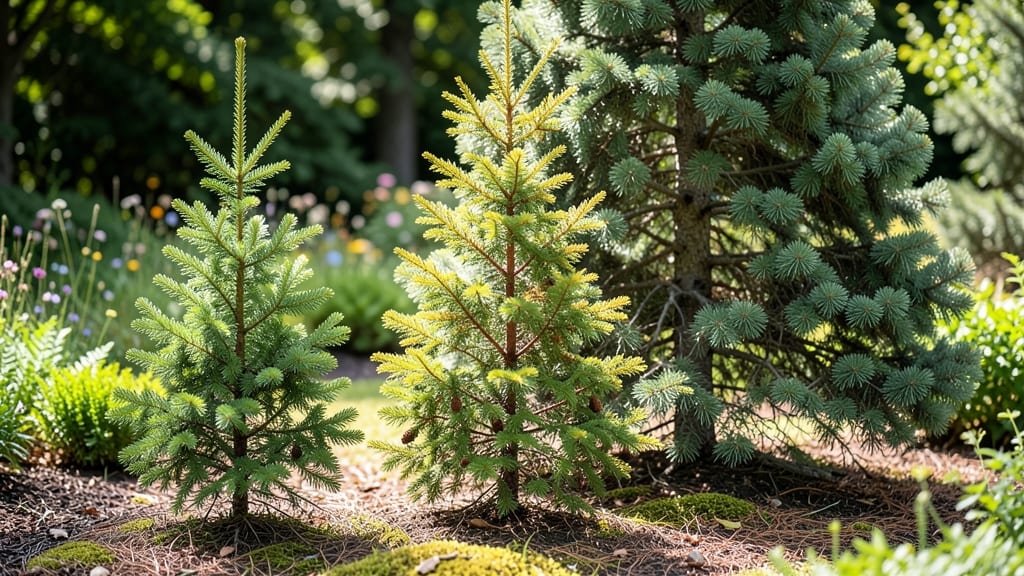
How tall arborvitae grow depends entirely on the variety you select, with some varieties staying as short as 3 feet while others soar to 60 feet in your landscape.
If you’ve ever stared at a nursery tag wondering whether that tiny sapling will one day block your second-story windows, you’re not alone. The truth is, some arborvitae varieties stay compact enough for small gardens, while others become the backbone of towering privacy screens.
Understanding their growth habits upfront saves you from years of guessing—and pruning.
From the dwarf varieties like ‘Emerald Green’ (topping out at 10–15 feet) to the giants like ‘Green Giant’ (reaching 40–60 feet), each type has its own timeline and care needs.
Whether you’re planning a hedge, a windbreak, or a statement tree, knowing how tall arborvitae grow helps you space them correctly and avoid overcrowding as they mature.
Below, I’ll break down the height ranges by popular variety, how fast they grow, and the simple pruning tricks to keep them at your desired size—so you can plant with confidence and enjoy your evergreen investment for decades.


Arborvitae height by variety: mature sizes and growth rates
Selecting the right arborvitae variety starts with understanding their mature heights and growth rates. Some varieties stay compact at just 3 feet tall, while others can reach 60 feet—making them perfect for towering privacy screens.
The key to a thriving arborvitae lies in matching its natural growth habits to your landscape needs, whether you're planting for hedges, windbreaks, or privacy barriers.
Fast-growing varieties like Green Giant can add 3 feet per year, while slower-growing dwarfs like Emerald Green grow just 6-12 inches annually. Proper spacing requirements also vary—planting too close can stunt growth, while giving them room prevents competition for nutrients.
Let’s break down the most popular varieties and their height expectations to help you make the best choice for your yard.
🌲 Comparison Table: Arborvitae Height by Variety
| Variety | Mature Height | Growth Rate | Spacing Needs | Best For |
|---|---|---|---|---|
| Green Giant | 40-50 ft | 3 ft/year | 12-15 ft apart | Privacy screens, windbreaks |
| Emerald Green | 12-15 ft | 6-12 in/year | 3-5 ft apart | Hedges, formal landscapes |
| American Plumosa | 3-5 ft | 12-24 in/year | 2-3 ft apart | Dwarf hedges, containers |
| Leap Year | 15-20 ft | 18-24 in/year | 4-6 ft apart | Fast-growing hedges |
| Tolleson's Green | 10-12 ft | 6-12 in/year | 3-4 ft apart | Small hedges, borders |
| American Arborvitae | 30-40 ft | 12-24 in/year | 10-12 ft apart | Wildlife habitat, natural landscapes |
| Gold Cone | 10-15 ft | 6-12 in/year | 3-5 ft apart | Color accents, small gardens |
| Hollister Gold | 8-12 ft | 12-18 in/year | 3-4 ft apart | Golden hedges, focal points |
| Star | 3-5 ft | 6-12 in/year | 2-3 ft apart | Dwarf hedges, containers |
| American Yellowwood | 20-30 ft | 12-24 in/year | 8-10 ft apart | Shade trees, woodland gardens |
| Sargent | 20-30 ft | 12-18 in/year | 8-10 ft apart | Native landscapes, wildlife |
For small spaces, dwarf varieties like American Plumosa or Star arborvitae stay under 5 feet tall and grow slowly, making them ideal for containers or border plantings. These varieties thrive with regular pruning to maintain their compact shape, but they rarely need drastic height control.
If you’re aiming for a tall privacy screen, Green Giant or American Arborvitae are top choices—they grow 3 feet per year and can reach 50 feet in ideal conditions.
When planning your arborvitae landscape, always account for mature height and spread. Planting Green Giant too close to your house could mean future pruning headaches, while spacing Emerald Green too far apart may leave gaps in your hedge.
A good rule of thumb is to space trees 1.5 times their mature width apart. For example, if a variety grows 10 feet wide, plant it 15
How fast do arborvitae grow? Height projections by age and type
Arborvitae growth rates can be as varied as the varieties themselves. Some grow just 6 inches per year, while others shoot up 24 inches annually. Understanding these rates helps you plan for privacy screens or foundation plantings with confidence.
For example, a Green Giant arborvitae can reach 50 feet in 20 years, while a Dwarf Emerald stays compact at 3–4 feet tall. Let’s break down how these trees grow year by year.
Growth isn’t linear—it depends on soil quality, sunlight exposure, and climate conditions. In ideal settings, arborvitae grow fastest in spring and early summer when temperatures are mild and moisture is consistent.
Drought or poor soil can stunt growth by 30–50%. Pruning also plays a role: Over-pruning can slow height gain, while selective trimming encourages denser, bushier growth instead of vertical expansion.
Here’s a quick reference for year-by-year height projections by popular arborvitae types, including how their growth rates change over time:
Climate plays a huge role in growth rates. Arborvitae thrive in USDA Zones 3–7, but those in warmer climates (Zone 7+) may grow faster due to longer growing seasons. Conversely, cold snaps in Zone 3 can slow growth temporarily. If you’re in a dry region, mulching and