
How To
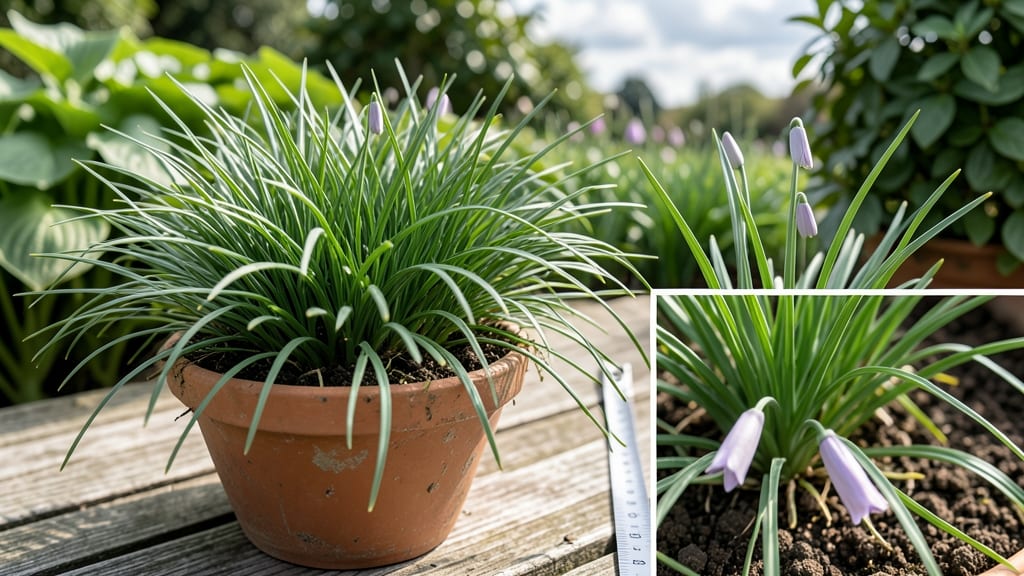
Mondo grass grows anywhere from 6 inches to just over a foot tall, depending on the variety and how you care for it—so if you’re eyeing it for borders or containers, you’ll want to pick the right type for your space.
Picture this: a lush, low-maintenance carpet of green that stays neatly contained, even in full sun or shade. That’s the beauty of mondo grass, but its height can surprise new gardeners.
Some varieties creep along the ground, while others stand a little taller, so knowing the differences is key to getting the look you want.
Whether you’re using it as a ground cover under trees, a border edging*, or a container plant, the height will dictate how you design around it. Below, I’ll break down the exact mature sizes for the most popular varieties and share tips to keep it at your preferred height.
You’ll also discover how sunlight, soil, and pruning affect growth—so you can avoid overgrowth or sparse patches. Ready to find the perfect fit for your yard?


Mondo grass height by variety: exact growth ranges for 5 popular types
If you're planning a lush, green landscape with mondo grass, knowing its height potential is key. This versatile ground cover comes in stunning varieties, each with distinct growth habits and mature sizes.
Whether you need a dwarf option for containers or a spreading type for slopes, understanding these differences ensures you pick the perfect fit for your space.
Mondo grass (Ophiopogon japonicus) thrives in USDA zones 6-10 and typically matures in 2-3 years, but its final height varies dramatically. Some varieties stay under 6 inches tall, while others reach nearly 12 inches.
The good news? Most types spread 12-24 inches wide, making them ideal for borders, edging, or understory plantings.
Here’s the breakdown of five popular mondo grass varieties, including their mature heights, spread potential, and growth habits to help you visualize their impact in your garden.
For example, ‘Nana’ (Dwarf Mondo) stays compact at just 3-6 inches tall, making it perfect for containers or small gardens. Its clumping growth habit means it won’t spread aggressively, so it’s great for defined borders.
On the other hand, ‘Silver Bayou’ reaches 8-12 inches and spreads 24-36 inches wide, ideal for covering larger areas like slopes or under trees.
The ‘Variegatus’ (Silver Stripe) variety is a standout with its variegated foliage and 6-9 inch height. Its spreading nature makes it perfect for adding visual interest in mixed borders or as a focal point in shade gardens.
If you love textural contrast, this variety’s creamy stripes will elevate any landscape.
When choosing a variety, consider your space constraints and design goals. For instance, ‘Kyoto Dwarf’ is a low-maintenance option for woodland gardens, while ‘Monroe’ offers a balanced spread for general ground cover.
Both thrive in partial shade, where they’ll show off their deep green or variegated hues without scorching in full sun.
Pro tip: If you’re using mondo grass for edging or containers, opt for clumping varieties like ‘Nana’ or ‘Kyoto Dwarf’ to maintain neat lines. For larger areas or erosion control, spreading types like ‘Silver Bayou’ will fill in gaps faster and create a dense, lush carpet.
Just be mindful of their width potential—some varieties can double in size over time!
One common misconception is that all mondo grass stays under 6 inches tall. While many varieties fit this description, ‘Silver Bayou’ and similar types can reach nearly 12 inches, making them better suited for background plantings rather than foreground edging.
Always check the mature height before planting to avoid surprises.
For urban gardens or small yards, I recommend starting with ‘Nana’ or ‘Kyoto Dwarf’. Their compact
Factors that affect mondo grass height: sun, soil, and climate considerations
Understanding how mondo grass grows depends on three key factors: sunlight, soil composition, and climate. Each plays a critical role in determining whether your plants stay compact or spread aggressively.
For example, full sun exposure can push some varieties to reach their maximum 1-foot height, while shade keeps them shorter and denser. Let’s break down how these elements interact to shape your mondo grass’s growth habit.
Soil type is another game-changer—sandy soil drains quickly, encouraging faster but less dense growth, while clay soil retains moisture, slowing vertical growth but promoting wider spread. My own Kyoto Dwarf Mondo thrives in my garden’s loamy soil, staying under 6 inches tall with a lush, carpet-like spread.
The right balance of nutrients and moisture in the soil directly impacts how tall or wide your mondo grass becomes.
Climate also dictates growth patterns. In USDA Zones 6-10, mondo grass grows year-round, but in colder zones, it may go dormant in winter, affecting its final height.
For instance, Silver Stripe Mondo in Zone 7 might max out at 8 inches, while the same variety in Zone 9 could reach 12 inches. Always check your local hardiness zone to set realistic height expectations.
| Factor | Impact on Height | Adjustment Tip |
|---|---|---|
| Sunlight | Full sun = taller (up to 12"); partial shade = shorter (4-6") | Use dappled shade for compact growth |
| Soil Type | Sandy = faster growth; clay = slower but wider | Amend with compost for balanced growth |
| Moisture | Overwatering = leggy growth; drought = stunted | Water deeply 1-2x per week |
| Climate Zone | Warmer zones = taller; cooler zones = shorter | Mulch in winter for height control |
If your mondo grass is growing taller than expected, it might need a spring pruning to reset its height. I trim mine back by one-third in early spring, which encourages bushier, shorter growth.
For varieties like Variegatus Mondo, this also helps maintain those striking white stripes. Over time, consistent pruning keeps your mondo grass at your desired height while preventing it from becoming too leggy.
Fertilization can also influence height—too much nitrogen leads to rapid but weak growth, while balanced 10-10-10 fertilizer promotes steady, controlled height. I apply fertilizer in early spring and again in mid-summer, but only lightly.
Over-fertilizing can cause your mondo grass to grow taller than its natural height range, especially in warm climates where growth is already vigorous.
Finally, container-grown mondo grass stays shorter than in-ground plants because its roots are restricted. If you’re using pots, choose varieties like ‘Nana’, which naturally max out at 4-6 inches. For in-ground planting, monitor soil moisture and sunlight to fine-tune height.
With the right care, you can keep your mondo grass at the perfect height for your landscape—whether that’s a neat 4-inch border or a lush 10-inch ground cover.