
How To
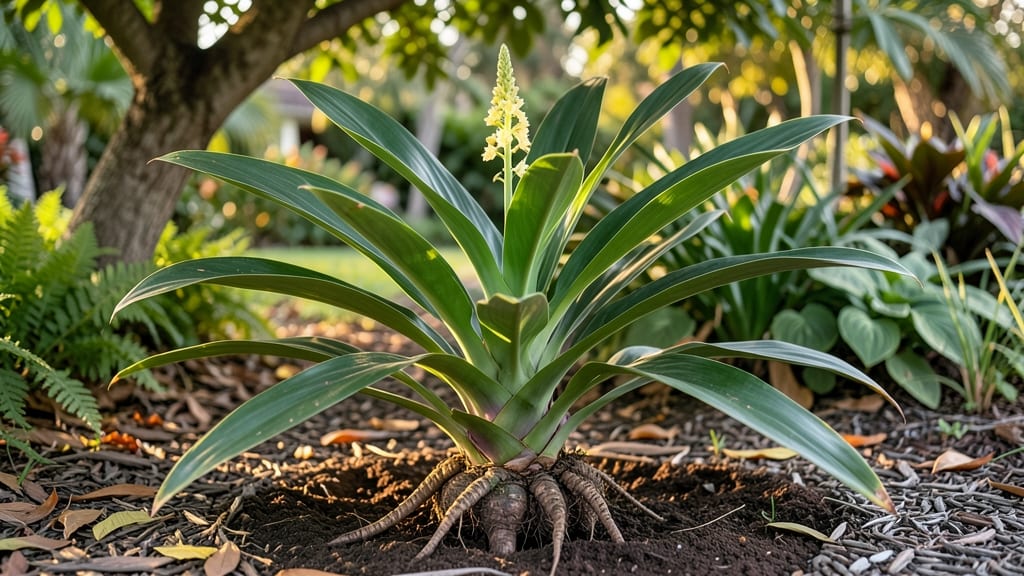
Growing ginger tall enough to see its broad leaves and delicate flowers is one of the quiet joys of a home garden — most varieties reach 1 to 3 feet in height, with some ornamental types stretching even taller.
If you're growing ginger at home, you might be surprised to learn its height isn’t the most important factor — its underground rhizomes are where the magic happens. But how tall does ginger grow above soil, and how does that affect your harvest?
The answer depends on whether you're growing common ginger for its spicy roots or ornamental varieties for their striking foliage and blooms.
Common ginger plants typically stay between 2 and 3 feet tall, while dwarf varieties like Thai ginger max out around 1 to 2 feet. These differences matter for spacing, sunlight exposure, and even how you prune to encourage larger rhizomes.
In warmer climates like USDA Zone 6a, ginger can grow even taller if given enough space and consistent moisture.
Below, I’ll break down exactly how height varies by variety, what factors influence it, and how to optimize your ginger patch for the best harvest — whether you’re after plump rhizomes or just love the way it looks.
You’ll also learn when to expect that first flush of leaves and how to tell if your plant is thriving or struggling.


Ginger plant height by variety: what to expect above and below ground
When you plant ginger rhizomes, most gardeners focus on the underground harvest, but the aboveground growth still plays a crucial role in your garden layout and care routine.
Ginger plants typically reach heights between 1 to 4 feet, but the variety you choose determines whether you'll end up with a compact bush or a tall, leafy specimen. Understanding these differences helps you plan spacing, sunlight exposure, and even container sizes if you're growing ginger in pots.
The most common edible ginger varieties, like common ginger (Zingiber officinale) and Thai ginger (Zingiber zerumbet), tend to stay on the shorter side, rarely exceeding 3 feet.
Meanwhile, ornamental varieties such as wild ginger (Asarum spp.) or red ginger (Alpinia purpurata) can stretch taller, sometimes reaching 4 feet or more. Below ground, the rhizomes spread horizontally, often 12 to 24 inches wide, which is why proper spacing is key to avoiding overcrowding.
Here’s a quick visual comparison of how different ginger varieties grow above and below soil, including their mature heights and rhizome spread patterns:
If you're growing ginger for its rhizomes, varieties like common ginger or Thai ginger are ideal because their compact stature makes them easier to manage in containers or small garden beds. The rhizomes of these varieties also mature more quickly, giving you a harvest in about 10–12 months.
For ornamental purposes, taller varieties like red ginger add dramatic height and colorful foliage to tropical-themed gardens.
The rhizome depth is another critical factor. Most ginger rhizomes grow 4 to 8 inches deep, so planting them too shallow can expose them to sunlight, turning them green and bitter.
To avoid this, always plant rhizomes 2 inches deep in well-draining, slightly acidic soil. This ensures the rhizomes develop properly underground while the plant grows upward.
For gardeners with limited space, dwarf ginger varieties are a game-changer. They thrive in 5-gallon containers or even hanging baskets, making them perfect for patios or balconies. Just ensure the container has drainage holes and is at least 12 inches deep to accommodate the rhizomes.
Even in containers, these varieties will still reach their mature height, but their controlled spread prevents them from becoming unruly.
One common misconception is that taller ginger plants produce larger rhizomes. In reality, the size of the rhizome depends more on the health of the soil, consistent moisture, and proper spacing than the plant's height.
A 2-foot-tall ginger plant can yield just as many rhizomes as a 4-foot-tall one, provided it has enough nutrients and space to spread.
When planning your garden, consider the mature height of your ginger varieties alongside their spread patterns. For example, planting red ginger near a fence or tall border ensures it has room to grow upward without blocking sunlight from shorter plants.
Meanwhile, wild ginger can be used as a ground cover in shady areas, adding lush greenery without taking up much vertical space.
If you're new to growing ginger, start with common ginger—it’s the
How ginger growth height affects your harvest: what gardeners need to know
Your ginger plant's height above ground isn't just about aesthetics—it directly impacts how well your rhizomes develop. Taller ginger plants (like common ginger varieties) often produce larger, more robust rhizomes because they can access more sunlight and nutrients.
But if your plants stay too short, it could signal poor soil conditions or insufficient care.
Ginger thrives with 1 to 3 feet of growth, but the real harvest happens underground. The taller your plant grows above soil, the more energy it can funnel into rhizome development. However, if your ginger stretches beyond 3 feet, it may be reaching for light, which weakens root growth.
Here’s the catch: Overcrowding stunts height and reduces yield. When ginger plants compete for space, they grow leggy and produce smaller rhizomes. Proper spacing (about 12–18 inches apart) ensures each plant has room to grow vertically and develop strong roots.
If you cut back ginger foliage too aggressively, you’re starving the rhizomes of energy. Ginger plants need their leaves to photosynthesize and feed the roots. Only prune dead or yellowing leaves—never more than 1/3 of the plant at once. This keeps your harvest plump and healthy.
Wind also plays a role—taller ginger plants are more prone to wind damage, which can break stems and stress the plant. If you’re in a windy area, consider staking or planting near a windbreak (like a fence or hedge).
This protects the plant while allowing it to grow tall enough for optimal rhizome development.
Timing your harvest based on height is key. When your ginger reaches mature height (2–3 feet) and the leaves start yellowing, that’s your cue to dig. Waiting too long lets the rhizomes become woody and less flavorful, while harvesting too early means smaller yields.
For larger rhizomes, focus on these height-related tips: space plants properly, ensure partial shade, and avoid over-pruning. With the right care, your ginger will grow tall enough to signal a bountiful harvest below ground.