
Plants
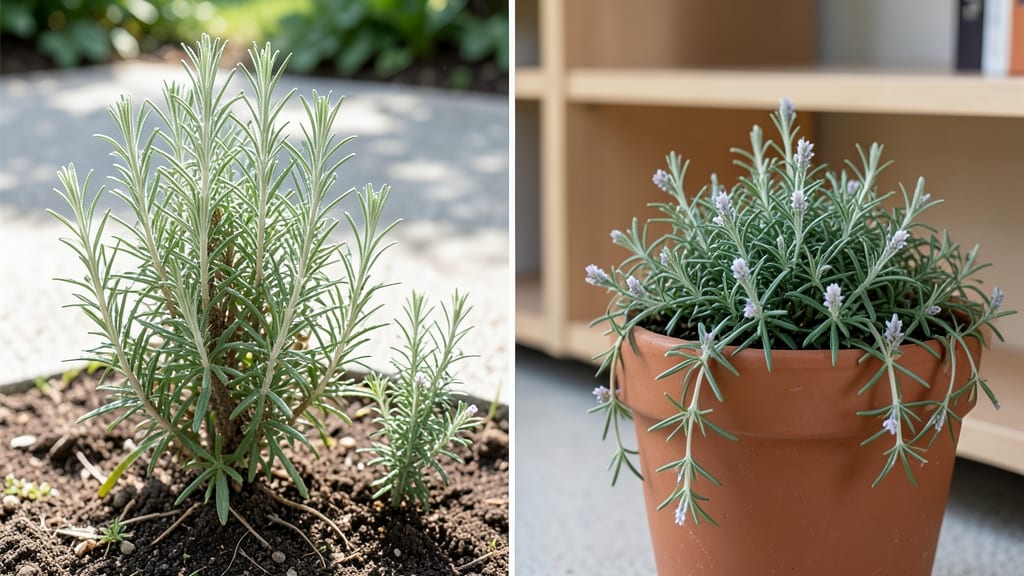
Rosemary plants grow anywhere from 12 inches to over 6 feet tall, depending entirely on how you shape them with pruning.
Did you know your rosemary can stay compact like a kitchen herb or stretch into a towering shrub? The secret lies in when and how you trim it—something that transforms a wild, leggy plant into a perfectly shaped herb garden star.
Without pruning, rosemary naturally reaches 3–6 feet in USDA Zone 6a, but with regular trims, you can keep it at 12–24 inches for containers or encourage a bushy 3-foot form. The key? Prune after flowering to maintain size and shape.
Below, I’ll break down the pruning techniques that keep rosemary short and bushy or let it grow tall, plus the best varieties for your space—whether you want a countertop herb or a privacy hedge.


Natural rosemary growth height: what to expect without pruning
If you've ever wondered, "how tall do rosemary plants grow" without any pruning, the answer can vary dramatically—from a compact 12-inch ground cover to a towering 6-foot shrub. This difference isn't just luck; it's all about the rosemary variety, growing conditions, and natural growth habits.
Left unchecked, most rosemary plants will reach their maximum height potential within 2-3 years, but some varieties naturally stay shorter.
Rosemary is a woody perennial herb that thrives in USDA Zones 7-10, where it can live for decades with minimal care. Unlike annual herbs, rosemary doesn't reset each year—it keeps growing taller and bushier unless you guide its shape.
This makes understanding its natural growth patterns crucial for gardeners who want to avoid a wild, unruly plant that outgrows its space.
The key to predicting your rosemary's height lies in two main factors: its growth habit (upright vs. spreading) and whether it's a dwarf, standard, or tall variety. Upright rosemary grows vertically like a small tree, while spreading types (like Rosemary 'Prostratus') stay low and wide.
Even without pruning, these differences create striking visual contrasts in your garden or herb collection.
Let's break down what you can expect from unpruned rosemary based on its natural growth tendencies. If you're growing Rosemary 'Arp' or 'Hill Hardy', you're likely looking at a 4- to 6-foot plant within 3 years.
These varieties have a tree-like structure with a thick, woody stem and long, arching branches. Without pruning, they can become top-heavy and even fall over in windy conditions.
On the other hand, spreading rosemary varieties like 'Prostratus' or 'Blue Spires' stay low to the ground, spreading out horizontally instead of upward. These types rarely exceed 12–18 inches in height but can spread 3–4 feet wide, making them perfect for ground cover or container gardens.
Their natural trailing habit creates a lush, carpet-like effect that's ideal for rock gardens or slopes.
Your rosemary's growing conditions play a huge role in its height. When planted in well-draining soil with full sun exposure (6+ hours daily), rosemary grows taller and more vigorous.
In partial shade or poor soil, it may stay shorter but also become less aromatic and more prone to disease. Overwatering can stunt growth, while drought conditions actually encourage a more compact, bushier shape—a trick many gardeners use to keep rosemary manageable.
Another critical factor is your climate zone. In warmer zones (8-10), rosemary grows faster and taller year-round, while in cooler zones (6-7), it may enter dormancy in winter and grow more slowly.
Even in cooler climates, rosemary can still reach 3–5 feet with proper care, but its growth rate slows during winter months. This seasonal
Pruning techniques to control rosemary height: step-by-step guide
Rosemary’s height is entirely in your hands—literally! With the right pruning techniques, you can shape it into a neat 12-inch hedge or let it grow wild up to 6 feet tall.
The key lies in understanding when and how to prune, as well as which parts of the plant to trim. Whether you’re aiming for a compact bush or a tall, woody specimen, timing and technique make all the difference.
Start by assessing your rosemary’s current growth habit. Upright varieties like 'Arp' naturally reach 4-6 feet without pruning, while spreading types like 'Prostratus' stay low and bushy. Your pruning goals—whether formal hedges, bushy shrubs, or tall vertical gardens—will dictate your approach.
The good news? Rosemary thrives on pruning, making it easier to shape than many other herbs.
Step-by-Step Pruning Guide for Rosemary Height Control
- 1 Choose Your Height Goal: Decide whether you want a low hedge (12–24 inches), bushy shrub (3–4 feet), or tall specimen (5–6 feet). This determines your pruning frequency and intensity.
- 2 Prune in Late Winter/Early Spring: Trim back 1/3 of the plant’s height using clean, sharp shears. Focus on woody stems to encourage bushier growth. Avoid cutting into old, bare wood.
- 3 Maintain Shape Throughout Growing Season: Lightly trim new growth tips every 4–6 weeks to encourage branching. For hedges, use a string guide to keep edges straight.
- 4 Encourage Height with Selective Pruning: To grow rosemary taller, avoid trimming the topmost stems. Instead, prune lower branches to redirect energy upward. This works best for upright varieties.
- 5 Harvest for Flavor and Shape: Snip non-flowering sprigs from the outer edges to promote denser growth. Harvesting also improves flavor, as new growth is more aromatic.
- 6 Avoid Over-Pruning in Winter: Rosemary is dormant in cold climates. Limit pruning to light shaping or removing dead wood. Over-pruning can stress the plant and reduce next year’s growth.
- 7 Use Pruned Cuttings: Propagate new plants from 4–6 inch cuttings taken during pruning. Dip in rooting hormone and plant in well-draining soil for free rosemary plants!
Seasonal pruning is your secret weapon for controlling rosemary height. For compact hedges, prune twice a year: once in late winter to shape the plant and again in mid-summer to maintain size.
If you’re growing rosemary for height, focus on light pruning to encourage vertical growth while removing only lower branches.
Remember, rosemary responds best to gradual pruning. Never remove more than 1/3 of the plant’s height in a single session, or you risk stunting growth or exposing old, bare wood.
With patience and consistency, you’ll achieve the perfect rosemary height—whether it’s a neat 18-inch border or a towering 6-foot specimen.
Pro tip: Always prune on a dry, sunny day to reduce the risk of fungal infections. Sterilize your shears with rubbing alcohol between cuts to keep your rosemary healthy and thriving. Happy pruning! ✂️🌿