
How To
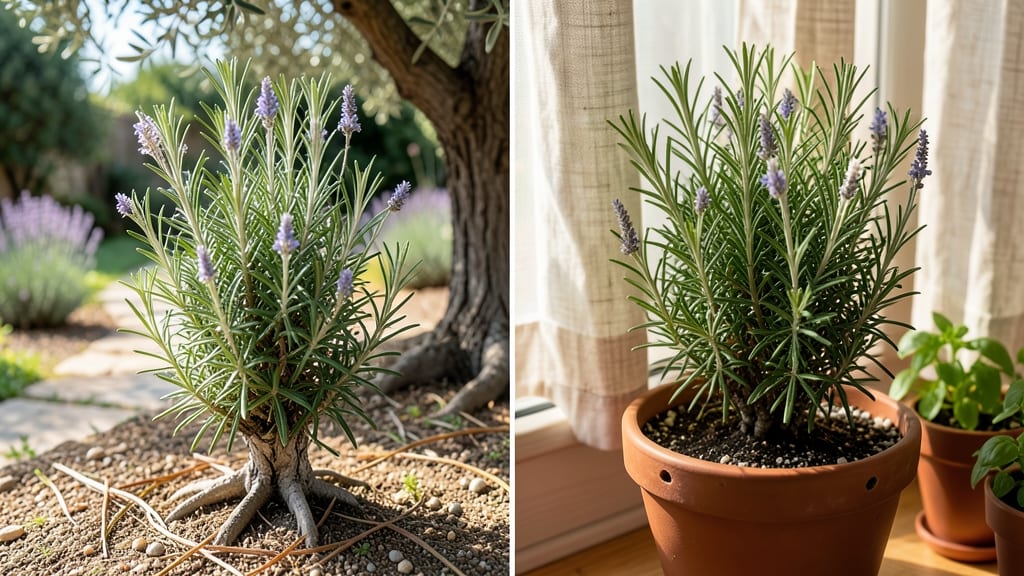
Rosemary grows to how tall rosemary grows—a mature height of 3 to 6 feet—taller than most kitchen counters—if left unchecked, but its size depends on variety, care, and where you live.
Wondering why your rosemary plant keeps reaching for the sky when you envisioned a compact, bushy herb? Understanding rosemary’s natural growth habits—and when to intervene—can transform your herb garden from wild to perfectly pruned in just a few seasons.
Some varieties, like the sprawling Prostratus, stay low to the ground, while others like Tuscan Blue can shoot up toward your ceiling if you don’t guide them.
The good news? With the right pruning techniques, you can keep it at a manageable 12 to 24 inches—ideal for pots or windowsill gardens.
In this guide, I’ll break down how rosemary grows naturally, when and how to prune for control, and three simple hacks to keep it compact without sacrificing flavor or health. Let’s get started!


Natural rosemary growth height: what to expect by variety and age
Rosemary is a stunning, aromatic herb that can transform your garden with its woody stems and fragrant foliage. But if you're wondering "how tall rosemary grow", the answer varies dramatically by variety and age.
Some varieties stretch toward the sky, while others stay compact—understanding these differences helps you plan your garden layout and pruning strategy from day one.
Most rosemary plants reach their mature height between 3 to 6 feet when grown in ideal conditions. However, their growth trajectory isn’t linear—seedlings start small, then experience rapid vertical growth before stabilizing.
The variety you choose plays the biggest role in determining whether your rosemary will become a towering shrub or a low-growing ground cover.
Here’s the key: Tuscan Blue and Arp varieties typically grow 4 to 6 feet tall, while Prostratus and Blue Spires stay under 2 feet. Even within the same variety, factors like sunlight exposure, soil drainage, and climate zone can influence how tall your plant becomes.
Let’s break it down by stage and variety so you can set realistic expectations for your garden.
New rosemary seedlings typically start at just 3 to 6 inches tall after germination. In their first growing season, expect them to grow 1 to 2 feet, with the most rapid growth occurring in spring and early summer.
By the second year, your rosemary will likely double in height, reaching 2 to 3 feet for most varieties. This is when you’ll notice the woody stems developing, which is a natural part of the plant’s maturation process.
If you’re growing rosemary in containers, its height will naturally be 20–30% shorter than in-ground plants due to root restriction. Container-grown rosemary also benefits from regular pruning, which encourages bushier growth rather than tall, leggy stems.
For example, a Tuscan Blue in a 12-inch pot might max out at 3 feet instead of 6 feet, making it perfect for patios or windowsills.
Environmental factors like sunlight and soil quality can significantly alter rosemary’s growth trajectory. Plants in full sun (6+ hours daily) grow taller and more robust, while those in partial shade may stay shorter but produce less aromatic foliage.
Poorly draining soil can also stunt growth or cause root rot, so always plant rosemary in sandy or gravelly soil with a slightly alkaline pH (6.0–7.0).
In cooler climates (Zones 5–6), rosemary grows more slowly and may never reach its full mature height without protection. If you’re in a warmer zone (Zones 7–10), your rosemary could grow faster and taller, especially if it’s not pruned regularly.
Always monitor your plant’s growth habits—if it’s stretching too tall with long, bare stems, it’s a sign it needs more sunlight or pruning to encourage bushier growth.
Overgrowth isn’t always a bad thing—rosemary can handle height up to 6 feet if given space. However, if your plant becomes top-heavy or develops woody, unproductive stems, it’s time to prune. Look for these signs: leggy stems, fewer leaves near the top, or stems touching the ground.
These are clear indicators that your rosemary needs height control to stay healthy and productive.
Pruning isn’t just about aesthetics—it also boosts flavor. When you trim your ros
When and how to prune rosemary for controlled height: step-by-step guide
If your rosemary has shot up like a 6-foot sunflower instead of staying at your desired 12–24 inches, don’t panic—pruning is the key to reclaiming control. The secret lies in timing, technique, and knowing when to stop.
Unlike finicky annuals, rosemary thrives when pruned correctly, rewarding you with denser foliage and stronger flavor. Let’s dive into the step-by-step process to tame your woody escape artist.
Before you grab your shears, remember: rosemary’s natural height ranges from 3 to 6 feet, but most gardeners prefer a compact, bushy shape for easy harvesting. The best time to prune is early spring (just as new growth begins) or early fall (before winter dormancy).
Avoid pruning in summer heat or winter frost, as this stresses the plant. With the right approach, you’ll encourage lush regrowth while keeping your rosemary at your ideal height.
🌿 Step-by-Step Pruning Guide for Rosemary
-
Step 1: Gather Your Tools
Clean, sharp bypass pruners or hand pruners (avoid dull tools that crush stems). Optional: gloves if your rosemary is thorny. -
Step 2: Choose Your Pruning Method
For height control, focus on the top 1/3 of the plant. For shaping, trim outer stems to encourage bushiness. -
Step 3: Pinch New Growth (Early Season)
In spring, pinch off soft new tips (about 1/4 inch) to promote branching. This prevents leggy growth and keeps the plant compact. -
Step 4: Trim Woody Stems (Mid-Season)
Cut back overly long stems to just above a leaf node (where new growth emerges). Avoid cutting into old wood, as rosemary won’t regrow from bare stems. -
Step 5: Shape for Bushiness (Fall)
Lightly trim outer stems to encourage inward growth. Aim for a rounded shape rather than a pyramid to maximize leaf production. -
Step 6: Revive Overgrown Rosemary
If your rosemary is woody and leggy, prune back by 1/3 in early spring. Water deeply afterward and avoid fertilizing until new growth appears.
One of the biggest mistakes gardeners make is over-pruning in a single session. Rosemary is hardy but not indestructible—cutting back too aggressively can stress the plant or even kill it.
Another common error is pruning at the wrong time, like mid-summer, which can stunt growth or leave your plant vulnerable to heat stress. Always prune when the weather is mild (50–75°F) and the plant is actively growing.
After pruning, your rosemary will need consistent care to bounce back. Water deeply but infrequently (rosemary hates soggy soil) and place it in a sunny spot with at least 6 hours of light.
Within 4–6 weeks, you’ll see new growth sprouting from the pruned areas. For extra encouragement, apply a light fertilizer (like 10-10-10) in early spring to support regrowth.
Pro tip: Save your pruned rosemary stems! Dry them for homemade wreaths, potpourri, or even culinary uses. Just tie them in bundles and hang upside down in a dry, dark place for 2–3 weeks.
The dried sprigs make a fragrant addition to any herb collection or holiday decor.
With these steps, your rosemary will stay lush, manageable, and productive—perfect for snipping fresh herbs all season long. Happy pruning! ✂️🌿