
How To
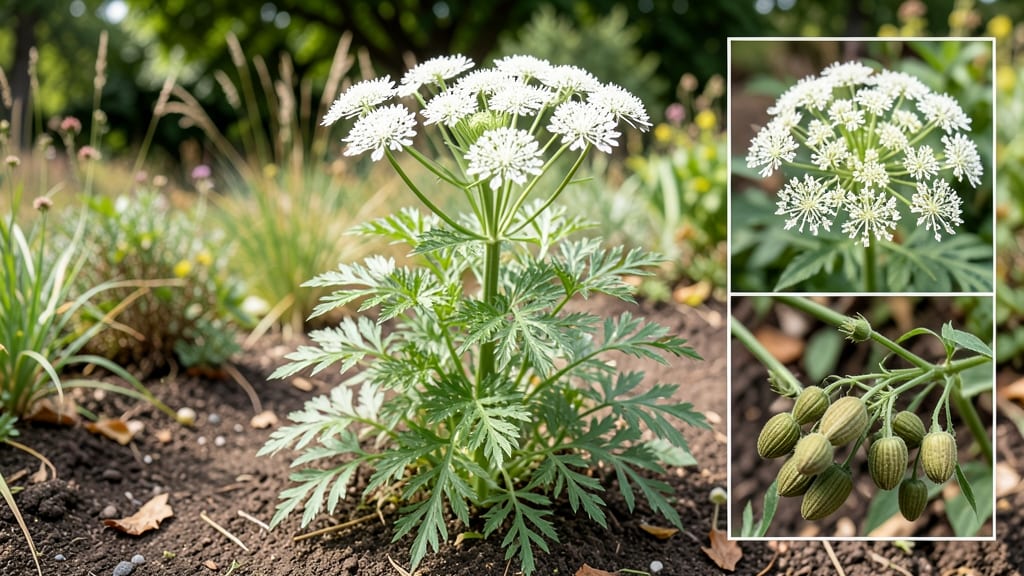
Anise plants grow between 1 and 3 feet tall at maturity, making them a versatile choice for kitchen gardens or containers.
If you're dreaming of fragrant herbs for your kitchen garden but worried about space, anise plants might surprise you—some stay neatly compact while others reach towering heights. Here’s what you need to know before planting.
Under ideal conditions—like full sun and well-drained soil—anise thrives, but its height can vary based on your USDA zone and growing techniques. In cooler climates like Zone 6a, it tends to stay shorter, while warmer regions may see taller growth.
Below, I’ll break down how to manage anise height, whether you’re working with a small balcony or a sprawling garden bed, so you can get the most flavor without the overgrowth.


Anise plant height guide: compact vs towering varieties explained
If you're planning your herb garden, understanding anise plant height is key to maximizing space. Standard anise (Pimpinella anisum) typically reaches 12–24 inches at maturity, but some varieties can grow 3–5 feet tall under ideal conditions. The difference comes down to genetics, growing conditions, and cultivation techniques.
Most gardeners grow anise as an annual herb, but its height varies dramatically based on whether you're cultivating it for leaves, seeds, or both. For leaf production, keeping plants compact (12–18 inches) ensures easier harvesting, while seed production often requires taller stems (24+ inches) to support flowering.
Environmental factors like sunlight exposure, soil fertility, and water availability play crucial roles. Anise thrives in full sun (6+ hours daily) but can become leggy if shaded. Poor soil drainage or overcrowding will stunt growth, while rich, well-draining soil encourages taller, bushier plants.
Here's a quick comparison of anise plant height based on growing conditions and varieties:
When growing anise for culinary leaves, I recommend pruning regularly to encourage bushier growth and prevent legginess. Pinch back the top sets of leaves when plants reach 6–8 inches tall to promote lateral branching. This keeps anise compact and productive for harvesting.
For seed production, allow plants to grow taller by avoiding heavy pruning. The flowering stems can reach 3–5 feet when left unpruned, but they may require staking or trellising to prevent flopping, especially in windy conditions.
Climate also affects height—anise grown in cooler climates (USDA Zones 6–8) tends to stay shorter due to slower growth, while warmer regions (Zones 9–10) produce taller, more vigorous plants. If you're in a hot, dry climate, mulching and consistent watering help maintain optimal height and flavor.
One common mistake is assuming all anise plants grow the same height. Seed-saved varieties often revert to taller, wild-type growth habits. If you want consistent compact growth, stick to named dwarf varieties or start fresh seeds each year from reliable sources.
For container growing, choose dwarf varieties or prune aggressively to keep plants under 18 inches. A 5-gallon pot works well for 1–2 plants, with well-draining potting mix to prevent root-bound stress that can stunt growth.
🌱How to control anise growth for small gardens or containers
Anise plants can quickly outgrow their welcome in small spaces, but with the right techniques, you can keep them compact and manageable. The key lies in pruning, spacing, and smart cultivation—especially if you're working with containers or limited garden beds.
Even tall varieties can be tamed with vertical support and regular maintenance.
Start by choosing the right container size and spacing. Anise needs at least 12 inches of space between plants to prevent overcrowding, which triggers leggy growth. In containers, opt for 5-gallon pots or larger to give roots room to spread without competing for nutrients.
Regular pruning is your best friend for controlling height. Pinch back the top growth when plants reach 6-8 inches tall to encourage bushier, shorter growth. This also improves airflow, reducing the risk of mold or mildew that can weaken stems.
- 🌱 Spacing: 12-18" apart in gardens, 5-gallon pots for containers
- ✂️ Pruning: Trim at 6-8" to encourage bushiness, harvest regularly
- 🪴 Trellising: Use 3-4' stakes for vertical growth, tie stems gently
- ☀️ Sunlight: 6+ hours daily prevents leggy, weak stems
- 🌿 Companion Plants: Dwarf thyme or chives to limit root competition
For vertical growth control, install trellises or stakes early in the season. Anise responds well to support, allowing you to train stems upward instead of sprawling. Use soft ties or cloth strips to avoid damaging the delicate stems as they grow toward the top.
Companion planting can also naturally limit height. Pair anise with shorter herbs like oregano or parsley to create a layered garden that maximizes space. Avoid planting near tall competitors like fennel, which can overshadow and stunt growth.
Finally, harvest regularly to discourage excessive height. Snipping the outer leaves encourages new growth at the base, keeping the plant compact and productive. With these strategies, even tall anise varieties can thrive in containers or small garden plots.