
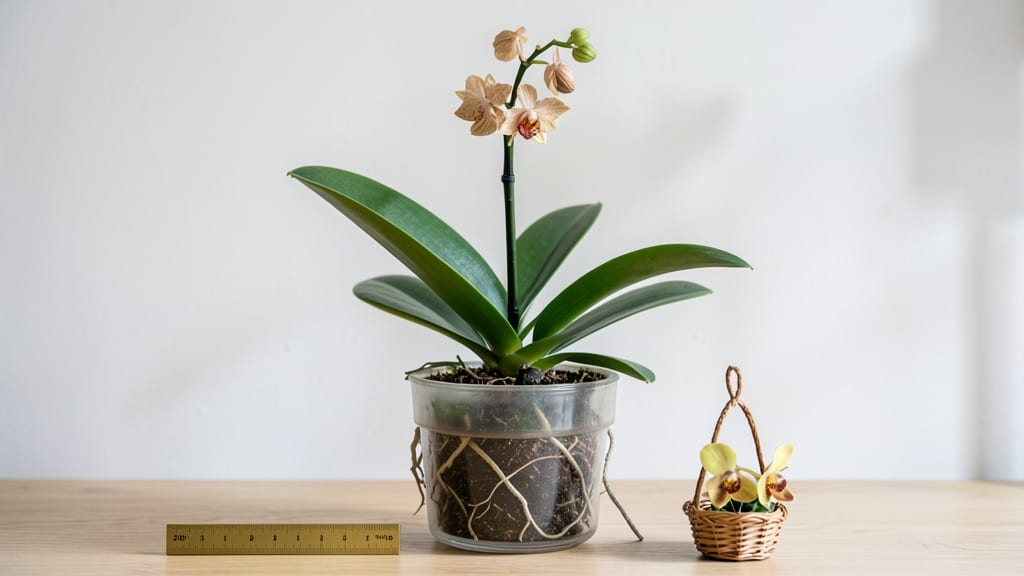
How Tall Orchids Can Grow: Mature Heights by Variety & Care Tips

How To

How Tall Orchids Can Grow: Mature Heights by Variety & Care Tips

Orchids can grow anywhere from a few inches to over 6 feet tall, depending on the variety and care you provide 🌸 — a fact that surprises even seasoned plant parents.

Picture this: your delicate Phalaenopsis starts as a tiny potted jewel, but with the right conditions, it stretches into a lush, vine-like masterpiece. Whether you're dreaming of a jungle-like centerpiece or a compact windowsill beauty, understanding your orchid’s growth potential is the first step to unlocking its full height.

Some orchids, like the Cattleya or Dendrobium, naturally reach towering heights, while others, such as the miniature Jewel Orchids, stay petite. The difference often comes down to species, light exposure, and how you prune or support them.

In this guide, I’ll break down the mature heights of popular orchid varieties, share the secrets to encouraging (or controlling) their growth, and even show you how to train a 6-foot orchid to thrive in a cozy apartment.

📈 Orchid Growth Timeline
6-12 inches
Year 1
1-2 feet
Year 2
2-3 feet
Year 3
3-6 feet
Mature

Orchid height by variety: from tiny jewels to towering giants

Orchids showcase one of nature’s most dramatic height ranges—from miniature varieties that fit in your palm to tree-like giants reaching ceiling heights. The species type (terrestrial vs. epiphytic) and growing conditions determine whether your orchid stays compact or stretches skyward.

Whether you’re choosing a windowsill jewel or a statement-piece vine, knowing these height differences helps you plan your space and care routine.

Most houseplant orchids like Phalaenopsis (moth orchids) max out at 2-3 feet, making them perfect for shelves and desks. But in tropical forests, some epiphytic orchids grow 10+ feet tall by clinging to trees.

Even in home settings, proper care can coax your orchid to reach its full genetic potential—or keep it petite with strategic pruning.

Below is a visual comparison of 10+ orchid varieties, ranked from dwarf to towering, with care tips to match their growth habits. Whether you’re dreaming of a 6-foot indoor jungle or simply want a low-maintenance miniature, this guide helps you pick the perfect size for your space.

Variety Type Mature Height Growth Habit Care Tip
Bulbophyllum (Dwarf Jewels) Miniature Epiphytic 3-6 inches Clumping, slow-growing Use tiny pots (2-3 inches) with high humidity.
Anguloa (Dwarf Oncidium) Terrestrial 6-12 inches Compact, bushy Needs cool nights (50-60°F) for blooms.
Phalaenopsis (Moth Orchid) Epiphytic 1-3 feet Trailing vines Rotate pot weekly for even light.
Cattleya (Queen of Orchids) Epiphytic 2-4 feet Upright pseudobulbs Provide bright light (5,000+ lux).
Dendrobium (Staghorn/Dwarf) Epiphytic 1-6 feet Branching canes Mount on tree bark for natural growth.
Paphiopedilum (Lady’s Slipper) Terrestrial 1-2 feet Rosette-shaped Keep soil moist but not soggy.
Vanda (Jewel Orchid) Epiphytic 2-5 feet Sprawling, aerial roots Needs high humidity (60%+).
Grammatophyllum (Giant Orchid) Epiphytic 6-10+ feet Tree-like, rare Requires greenhouse conditions.
Masdevallia (Fairy Orchid) Miniature Epiphytic 4-8 inches Delicate, slow-growing Use glass terrariums for humidity.
Cymbidium (Boat Orchid) Terrestrial 3-6 feet Fan-shaped leaves

What determines orchid height? Light, pot size, and pruning secrets

Your orchid’s height isn’t just about genetics—it’s a delicate dance between light exposure, container size, and how you prune those sprawling stems. I’ve seen Phalaenopsis orchids double their height in a year with just a few adjustments, while others stay stubbornly compact.

The key? Understanding how these three factors interact to either stretch your orchid toward the ceiling or keep it neatly contained.

Light is the most powerful growth regulator. Too little, and your orchid will stretch painfully thin, reaching for sunlight like a starving plant. Too much direct sun, and those delicate leaves burn.

I’ve learned the hard way—my Cattleya once grew 18 inches taller in a month after moving it to a brighter spot, but the leaves turned crispy at the edges. Balance is everything.

Pot size plays a surprising role too. A root-bound orchid in a cramped container will focus all its energy on filling that space, resulting in dense but stunted growth. But give it too much room, and you’ll encourage rapid, leggy growth as the roots search for stability.

I always repot my orchids in spring using pots just 1-2 inches larger than the current root ball—this keeps growth steady and controlled.

⚠️ Warning: Common Mistakes That Stunt Orchid Growth
  • Over-potting: Pots 3+ inches too large cause root rot and weak stems.
  • Low humidity: Below 40% humidity stresses orchids, halting vertical growth.
  • Pruning at the wrong time: Cutting back in winter removes potential spring blooms.
  • Inconsistent watering: Drought stress triggers leggy growth as the plant searches for moisture.

These errors don’t just limit height—they can kill your orchid. Adjust your care routine now to see dramatic improvements in just 8-12 weeks.

Pruning might seem counterintuitive when you want a taller orchid, but it’s actually a secret weapon. Strategic pruning encourages bushier growth with multiple stems, creating the illusion of height while keeping your plant full and healthy.

I prune my Dendrobium orchids right after flowering by cutting back to the third node—this triggers new shoots that grow taller and stronger than the original stem. For Phalaenopsis, I remove spent spikes at the base to redirect energy upward.

Humidity and airflow are the silent growth partners most people overlook. My Vanda orchids, which can grow 6 feet tall in ideal conditions, wilt dramatically when humidity drops below 50%.

I solved this by placing them on a pebble tray and using a small fan for gentle airflow—this mimics their tropical habitat and encourages robust vertical growth. Even a 5-10% increase in humidity can add 6-12 inches to your orchid’s mature height.

If you’re working with limited space, don’t despair—you can still grow a tall orchid indoors. I train my Cattleya orchids to climb bamboo stakes or spider poles, which gives them vertical support while keeping their footprint small.

For Phalaenopsis, a simple moss pole works wonders, encouraging aerial roots to cling and grow upward. With the right support system, even a 3-foot orchid can reach 6 feet in a vertical garden.

Remember, orchid growth is a marathon, not a sprint. The Phalaenopsis you buy today might only be 12 inches tall, but with patient care—bright indirect light, proper pruning, and consistent humidity—it could be 3 feet tall in three years.

Start with small adjustments, monitor your plant’s response, and soon you’ll have orchids reaching new heights—literally and figuratively! 🌿

★★★★★4.6(4 reviews)
Categories How To