
How To
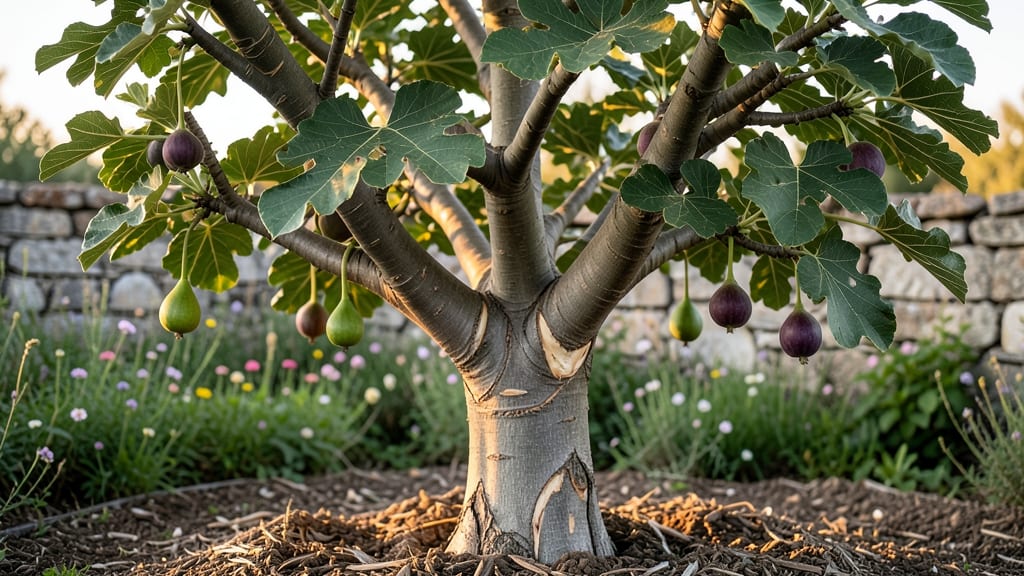
A fig tree can grow anywhere from 8 feet to towering 30 feet tall, depending on the variety and care you give it 🍈 — and yes, that includes dwarf types for small spaces.
Picture this: a Chicago Hardy fig tree hugging a balcony railing at 10 feet, while a Brown Turkey sprawls across your backyard like a living trellis at 25 feet. The difference isn’t just genetics—it’s pruning, soil, and even your climate zone.
If you’re wondering whether a fig tree will outgrow your patio or backyard, the answer depends on your goals. Some varieties stay compact enough for containers, while others need room to stretch their branches wide.
Below, I’ll break down the heights by type and share the secrets to controlling growth—whether you want a miniature tree or a full-sized fruit producer.
You’ll also discover how pruning, sunlight, and soil type can turn a 20-foot giant into a manageable 12-foot beauty—or keep a dwarf variety from getting too leggy. Let’s get started.


Fig tree height by variety: from dwarf to towering giants
Fig trees (Ficus carica) are incredibly versatile, offering varieties that fit everything from tiny balconies to sprawling backyards. The height difference between dwarf and giant fig trees can be staggering—some stay under 10 feet while others reach 30 feet or more.
Your choice of variety determines not just height but also fruit production, cold hardiness, and even pruning needs. Let’s explore the spectrum from patio-friendly dwarfs to towering giants.
Most gardeners assume all fig trees become massive, but dwarf varieties exist specifically for small spaces. These compact trees top out at 8-12 feet and thrive in containers, making them perfect for urban gardens.
On the opposite end, standard varieties like 'Brown Turkey' can grow 20-30 feet tall when given ideal conditions. The key? Understanding each variety’s growth habits and selecting one that matches your space and climate.
🌱 Comparison Table: Fig Tree Heights by Variety
| Variety | Mature Height | Growth Habit | Best For |
|---|---|---|---|
| Little Miss Figgy | 8-12 ft | Compact, bushy | Containers, small yards |
| Celeste | 10-15 ft | Semi-dwarf, upright | Balconies, espalier |
| Chicago Hardy | 12-18 ft | Cold-hardy, spreading | Cold climates, large pots |
| Brown Turkey | 20-30 ft | Vigorous, upright | Large yards, orchards |
| Violette de Bordeaux | 25-35 ft | Tall, spreading canopy | Rural properties, shade trees |
The Little Miss Figgy is my top recommendation for small spaces—it stays under 10 feet and produces sweet, dessert-quality figs. This variety is perfect for container growing and even thrives in 5-gallon pots if pruned regularly.
Meanwhile, 'Brown Turkey', a classic American variety, can become a 20-foot giant if left unchecked, making it ideal for rural gardens or orchards.
For gardeners in USDA Zones 7-9, the Chicago Hardy is a game-changer. It grows 12-18 feet tall but tolerates colder winters, making it one of the most cold-hardy fig varieties. Its spreading habit also creates a natural shade canopy, perfect for patios or deck areas.
If you’re after ornamental value, the 'Violette de Bordeaux' with its purple figs and towering height (up to 35 feet) is a stunning choice for landscape focal points.
Height isn’t the only factor—growth rate matters too. Dwarf varieties like 'Celeste' grow 1-2 feet per year, while standard types like 'Brown Turkey' can add 3-5 feet annually in ideal conditions.
This means a 5-year-old 'Brown Turkey' could already be 15 feet tall, while a 'Little Miss Figgy' would remain under 6 feet in the same time.
One common mistake is assuming all fig trees need full sun to reach their maximum height. While 6+ hours of sunlight is ideal, some dwarf varieties like 'Little Miss Figgy' can tolerate partial shade, especially in hot climates.
However, giant varieties like 'Violette de Bordeaux' require full sun to reach their towering heights and produce abundant fruit.
If you’re growing figs in containers, root-bound stress can stunt height growth. Regular pruning and repotting every 2-3 years keeps dwarf varieties compact.
For in-ground planting, soil quality plays a huge role—well-draining, slightly alkaline soil (pH 6.5-7.5) encourages vigorous growth, while poor soil can limit a tree’s potential height by 30-50%.
🌿 Pro Tip: Always check a variety’s mature height before planting. A 20-foot tree in a 10-foot space will require aggressive pruning to prevent shade dominance and structural issues. Measure your space twice—once before selecting your fig tree!
What determines a fig tree’s height: pruning, climate, and soil
Fig trees are incredibly adaptable, but their height depends heavily on three key factors: how you prune them, your local climate, and the type of soil they grow in.
Unlike many fruit trees, figs don’t have strict height limits—some varieties can stretch toward the sky while others stay compact enough for containers. Understanding these factors lets you shape your fig tree’s growth to fit your space, whether that’s a backyard corner or a balcony pot.
The climate zone where you live plays a huge role. Fig trees thrive in USDA zones 7-10, but their growth rate and mature height vary.
In warmer zones like California or Florida, figs grow faster and taller, while in cooler zones like Zone 7, they may stay shorter unless you provide winter protection. Even within the same zone, microclimates—like a sunny south-facing wall—can push a tree to grow taller than its neighbors.
How Tall Can a Fig Tree Grow?
- Dwarf varieties: 8–12 ft (e.g., 'Little Miss Figgy' or 'Violette de Bordeaux') – perfect for containers or small yards.
- Standard varieties: 15–25 ft (e.g., 'Brown Turkey' or 'Celeste') – ideal for in-ground planting with space.
- Giant varieties: 25–30+ ft (e.g., 'Black Mission' or 'Desert King') – need room to sprawl or climb.
- Pruned trees: Can be kept at any height (e.g., 4–6 ft for espalier or topiary shapes).
- Container-grown: Typically 6–10 ft unless regularly pruned or trained to climb.
🌿 Pro Tip: Even "giant" varieties can be pruned to stay manageable—it’s all about timing and technique!
Pruning is your most powerful tool for controlling height. If you want a compact fig tree, prune in late winter or early spring before new growth starts. Remove suckers (shoots from the base) and water sprouts (vertical shoots) to redirect energy upward or outward. For taller trees, prune lightly in summer to encourage vertical growth. Remember: figs produce fruit on new wood, so avoid heavy pruning in fall or winter—you’ll sacrifice next year’s crop.
The soil type also influences height. Fig trees prefer well-draining soil with a slightly alkaline pH (6.0–7.0). Heavy, clay soils can stunt growth, while sandy loam or loamy soil with compost promotes faster, healthier growth.
If your soil is poor, amend it with organic matter like compost or aged manure to give your tree the nutrients it needs to reach its full potential. Mulching with straw or wood chips also helps retain moisture and encourages deeper root growth, which supports taller, sturdier trees.
Sunlight is another critical factor. Fig trees need at least 6–8 hours of direct sun daily to grow vigorously. In full sun, they’ll reach their maximum height potential, while partial shade can limit growth and reduce fruit production.
If you’re growing a fig tree in a container, place it in the sunniest spot possible and rotate the pot occasionally to ensure even growth. Without enough light, even dwarf varieties may grow leggy and weak, struggling to reach their expected height.
Finally, your planting method affects height. In-ground fig trees have more room to grow roots and branches, often reaching their full mature height. But if you container-grow a fig tree, its height will naturally stay shorter unless you provide vertical support like a trellis or stake.
For espaliered figs, you can train branches along a wall or fence, creating a flat, decorative shape while keeping the overall height manageable—perfect for small spaces or urban gardens.