
How To
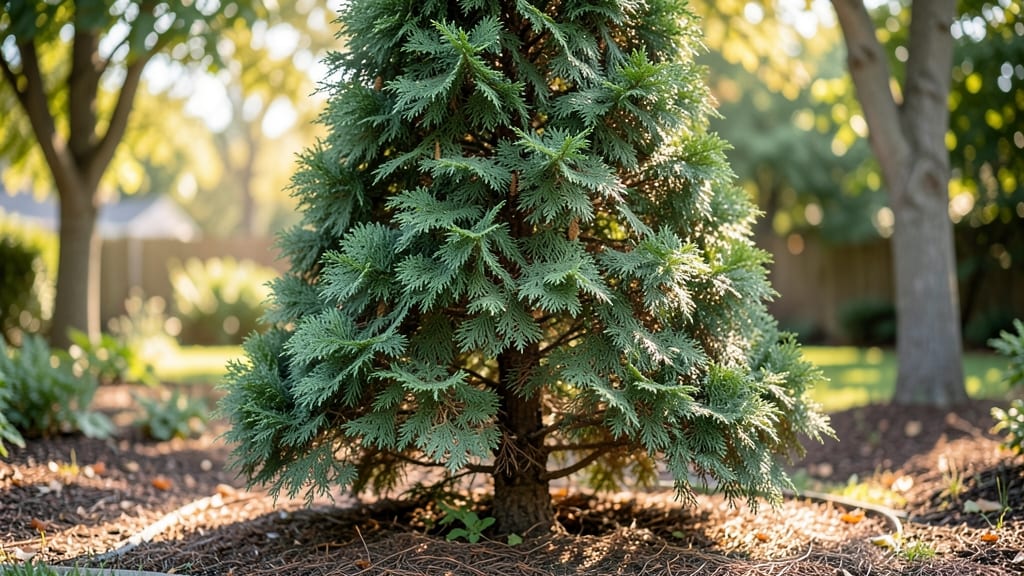
Giant arborvitae 🌲 can grow between 40 and 60 feet tall, making them one of the fastest and tallest evergreens for privacy screens and windbreaks.
If you're dreaming of a towering evergreen hedge or a privacy screen that commands attention, giant arborvitae could be your perfect match—but first, you need to know exactly how massive they can grow.
These fast-growing trees aren’t just for show; they’re the backbone of many a lush landscape, but their mature heights vary dramatically depending on the variety.
Below, I’ll break down the fastest-growing types, how to estimate their growth in your yard, and tips to manage their size so they stay within your space.


Giant arborvitae mature height ranges by fastest-growing varieties
Choosing the right giant arborvitae variety depends entirely on your space and timeline. Some varieties like Green Giant shoot up to 40-50 feet in just 10 years, while others like Emerald Green grow more slowly but still reach impressive heights.
The key is understanding each variety’s mature height range and how quickly they’ll fill your landscape.
For homeowners wanting fast results, Leap 'N Grow arborvitae are engineered to grow 3 feet per year, making them ideal for quick privacy screens. Meanwhile, standard arborvitae varieties can take decades to reach their full 50-60 foot potential.
Knowing these differences helps you avoid planting a tree that will soon outgrow its welcome.
Below is a detailed comparison of the most popular giant arborvitae varieties, including their mature height ranges, growth rates, and typical spread. This will help you visualize how each will look in your yard over time.
The Green Giant is one of the fastest-growing arborvitae, reaching its 40-50 foot mature height in about a decade. This makes it perfect for homeowners who want a quick privacy screen or windbreak.
However, its wide 12-15 foot spread means you’ll need ample space behind it to avoid shading other plants.
If you prefer a slightly slower but still fast-growing option, Leap 'N Grow arborvitae grow 3 feet per year and reach their 30-40 foot height in about 10-12 years. Their upright growth habit makes them ideal for narrow spaces where you want height without excessive width.
For those with larger properties, the American Giant arborvitae is a powerhouse, growing up to 60 feet tall with a 15-20 foot spread. While it takes longer to mature, its natural, wild look is perfect for rural landscapes or as a standalone specimen tree.
When planning your planting, always account for the mature spread of your arborvitae. A Green Giant planted too close to a fence or driveway will eventually crowd the space, requiring costly pruning or removal. I recommend spacing trees at least 8-10 feet apart to allow for airflow and future growth.
Another critical factor is your USDA hardiness zone. Most giant arborvitae thrive in zones 3-7, but varieties like Emerald Green are more adaptable to colder climates. Always check the specific variety’s zone range before planting to ensure long-term success.
Finally, don’t forget that pruning can influence how tall your arborvitae grows. Regular pruning encourages bushier growth and can slightly reduce height if you focus on trimming the top. However, avoid over-pruning, as this can stress the tree and slow its growth.
With the right variety and proper spacing, your giant arborvitae will become a stunning focal point in your landscape—whether as a towering privacy screen or a majestic specimen tree. 🌲
How to estimate giant arborvitae growth in your yard
Estimating the future size of a giant arborvitae requires more than just checking a height chart—your local soil conditions, sunlight exposure, and even your pruning habits play starring roles.
These trees can grow 40 to 60 feet tall under ideal conditions, but poor soil or shade might leave you with a stunted, sad-looking specimen. Let’s break down how to predict growth accurately so your arborvitae stays happy—and within bounds.
First, consider your USDA hardiness zone. Most giant arborvitae thrive in zones 4 through 8, but growth rates slow significantly in colder climates. For example, a Green Giant arborvitae might reach 30 feet in 10 years in zone 7 but only 20 feet in zone 5.
Always adjust expectations based on your local climate to avoid overcrowding issues.
⚠️ callout warning
⚠️ Common Mistake: Ignoring Root Spread
Giant arborvitae roots spread 1.5 to 2 times wider than their mature height! Planting too close to fences, driveways, or other plants risks root competition. Minimum spacing: 10–15 feet apart for single specimens, 6–8 feet for hedges.
Next, evaluate your soil drainage. These trees despise soggy roots—waterlogged soil can stunt growth by up to 50%. Amend heavy clay with compost or sand to improve aeration.
A simple test: Dig a hole, fill it with water, and time how long it drains. If it takes more than 2 hours, your soil needs amending before planting.
Sunlight is another game-changer. While giant arborvitae tolerate partial shade, they grow 2–3 times faster in full sun (6+ hours daily). If your yard gets less, expect slower growth and potential legginess.
For example, a Leap ‘N Grow variety might grow 3 feet per year in full sun but only 1–2 feet in shade.
Pruning habits dramatically impact height. Regular tip-pruning (cutting back new growth) encourages bushier, denser growth but can reduce height by 10–20% over time. Avoid heavy pruning in late summer—it stresses the tree and slows growth for the next season. Instead, prune in early spring to maximize vigor.
Finally, monitor your arborvitae’s growth annually. Use a measuring tape to track height and width, adjusting care as needed. If growth stalls after 3–5 years, it may signal nutrient deficiency or pest issues. A balanced 10-10-10 fertilizer applied in early spring can often revive sluggish growth.
By accounting for these factors, you’ll avoid the heartbreak of an arborvitae that outgrows its welcome—or worse, fails to thrive. With the right prep, your giant arborvitae will grow into the stunning, low-maintenance privacy screen you envisioned. 🌲