
Plants
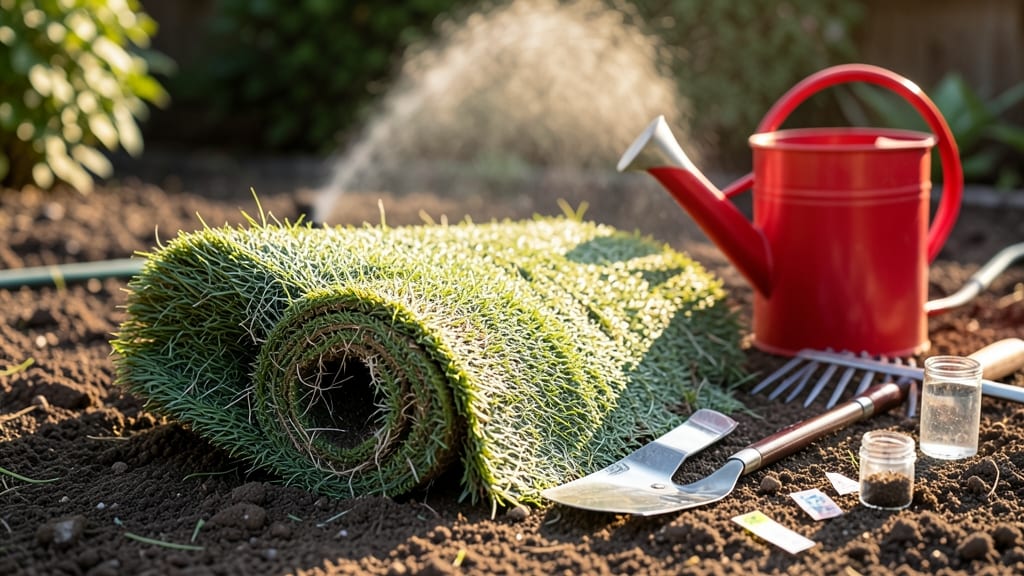
Planting zoysia sod in Georgia at the right time means the difference between a thick, heat-resistant lawn and a weed-infested struggle. Georgia’s scorching summers and humid climate demand a tough grass type—zoysia sod thrives where others fail, but timing your planting is the secret to a lush, low-maintenance lawn.
Get the schedule wrong, and you’ll battle weeds or weak growth for months.
The key is planting when soil temperatures hit consistently above 65°F, which in Georgia’s USDA Zones 7b-8a means late spring to early summer or early fall—never during the peak heat of July or the frost risk of November.
In this guide, I’ll break down the two best windows for planting zoysia sod in Georgia, how soil temperature and regional microclimates (like Atlanta’s Piedmont vs. Savannah’s coastal heat) shift your schedule, and the five signs your timing is perfect—or a recipe for failure.
By the end, you’ll know exactly when to roll out your sod for a lawn that stays green through Georgia’s brutal summers and recovers fast from drought or foot traffic.
Best planting windows for zoysia sod in Georgia’s USDA Zones 7b-8a
Georgia’s USDA Zones 7b-8a bring intense heat and humidity, making zoysia sod the perfect choice for a heat-resistant lawn. But timing is everything—plant too early, and cool soil slows root growth; too late, and summer drought stresses young sod.
The ideal windows are late spring to early summer and early fall, but let’s break down why and how to nail it.
Zoysia thrives when soil temperatures stay above 65°F for consistent root development. In Georgia, this means avoiding April-May (unless you’re in Zone 8a where soil warms faster) and focusing on May-June or August-September.
Rainfall patterns also play a role—dry spells in late summer can derail new sod, while fall’s gradual cooling gives roots time to anchor before winter.
Spring planting (May-June) is ideal for northern Georgia (Zone 7b), where summers are brutal. Start when daytime highs hit 80°F+ consistently—typically mid-May in Atlanta and early May in Savannah. Fall planting (August-September) works best in southern Georgia (Zone 8a), where humidity spikes in late summer can stress sod if planted too early.
Here’s the critical comparison of Georgia’s two best planting windows, including soil temps, rainfall risks, and establishment timelines:
| Planting Window | Best For | Soil Temp Threshold | Rainfall Risk | Establishment Time | Key Consideration |
|---|---|---|---|---|---|
| Late Spring (May-June) | Northern GA (Zone 7b) | 65°F+ consistently | Moderate (spring rains) | 6-8 weeks | Avoid June heat waves—water deeply 2x/week |
| Early Fall (August-September) | Southern GA (Zone 8a) | 70°F+ (cools gradually) | High (hurricane season) | 4-6 weeks | Plant before Sept 15 to avoid fungal risks from wet fall weather |
For spring planting, aim to finish installation by June 15 to avoid peak summer drought.
Start with 1-1.5 inches of water daily for the first week, then taper to deep watering 2x/week. Fall planting is trickier—wait until after August 15 to dodge hurricane-season downpours, but don’t delay past September 15 or roots won’t harden before winter.
Georgia’s humidity levels also demand attention. Zoysia hates soggy soil, so amend clay-heavy areas with compost or sand to improve drainage. In Zone 8a (e.g., Savannah), fall planting is riskier due to September fungal outbreaks. Use a fungicide pre-treatment if your sod arrives during rainy spells.
Pro tip: Test your soil temperature with a soil thermometer (bury it 4 inches deep). If it dips below 65°F at night, wait a week. Southern Georgia soils warm faster—Zone 8a can plant 2-3 weeks earlier than Zone 7b.
For example, Macon (Zone 7b) should wait until mid-May, while Valdosta (Zone 8a) can start early May.
Mistake to avoid: Planting in April for an "early start." Cool soils delay root growth by 3+ weeks, leaving sod vulnerable to weed competition. Instead, use the time to prep your soil—till in compost, level the area, and remove all weeds before the ideal window opens.
Once planted, zoysia sod in Georgia needs consistent care to outcompete crabgrass and clover. In summer, mow high (1.5 inches) to shade roots and water deeply at dawn to prevent brown patch fungus. By October, reduce watering to 1x/week to toughen roots for winter.
Timing your zoysia sod right in Georgia means beating the heat and avoiding fungal risks. Stick to May-June or August-September, monitor soil temps, and you’ll have a dense, drought-proof lawn by next spring. 🌱
How Georgia’s microclimates affect zoysia sod planting timing
Georgia’s diverse climate zones create unique challenges for zoysia sod planting. The Piedmont region around Atlanta experiences cooler springs, while coastal areas like Savannah stay warm longer. These differences mean your planting window could shift by 4-6 weeks depending on location.
In northern Georgia (USDA Zone 7b), cooler soil temperatures delay planting until mid-May to early June. Meanwhile, southern Georgia (Zone 8a) can start as early as late April thanks to warmer microclimates. Understanding these regional nuances helps avoid weak root establishment or summer heat stress.
For Atlanta's Piedmont region, aim for late April to early May when daytime highs hit 75°F+. This timing balances soil warmth with reduced weed competition. In contrast, Savannah’s coastal climate allows planting as early as late March, but watch for hurricane season risks after June.
In Macon’s transition zone, split your approach: late April for spring planting or early September for fall. The Piedmont’s clay-heavy soils benefit from pre-planting aeration to improve drainage. Coastal areas like Brunswick can extend planting into early October due to milder winters.
Adjust your schedule if unseasonable weather occurs. For example, a late frost in April (common in northern Georgia) may delay planting by 2-3 weeks. Use a soil thermometer to confirm 65°F+ soil temps before installing sod—this is critical for root establishment.
Pro tip: Fall planting (August-September) works best in cooler microclimates like the Blue Ridge Mountains. Here, zoysia benefits from warm soil and cooler air, reducing water stress during establishment. Always test your soil’s pH (6.0-7.0) and drainage before planting.