
Plants
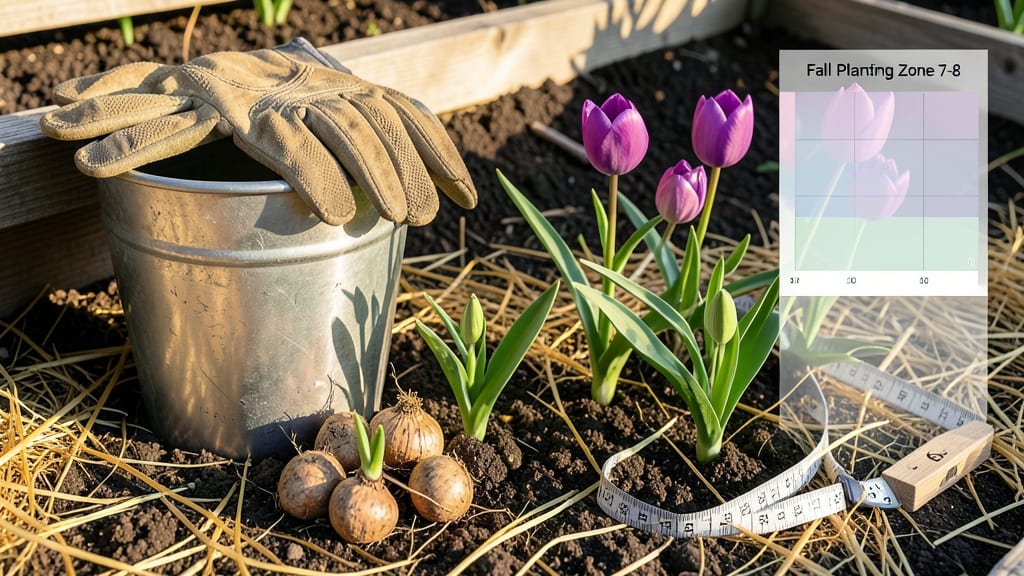
Planting tulips in Washington State between October and December is the key to vibrant blooms that outshine the rain-soaked winters 🌷.
Washington State’s diverse climates—from the Puget Sound’s mild winters to the dry heat of the Columbia Basin—mean tulip planting success hinges on timing as much as soil prep. Plant too early, and bulbs rot; too late, and you’ll miss the narrow window for hardy growth.
Most gardeners in USDA zones 6b-8b should aim for mid-October to early November, when soil temps drop to 40–50°F and before the first hard frost. But Puget Sound’s coastal microclimate can push that window later, while inland areas like Spokane may need to plant earlier.
Here’s how to adjust for your exact location, plus soil prep secrets to ensure your bulbs thrive—no matter where in the state you’re planting.
Washington State tulip planting zones: when to plant by region (Puget Sound vs. Eastern WA)
Washington State’s tulip planting zones vary dramatically between the Puget Sound region and Eastern Washington, where frost dates and soil temperatures create distinct windows. In Seattle and Bellingham, mild maritime winters extend the planting season, while Spokane and Wenatchee face earlier freezes and drier conditions.
Understanding these differences ensures your tulip bulbs establish roots before winter sets in.
For most of Washington, fall planting between October and December is ideal, but exact timing depends on your USDA zone and local microclimates. Urban areas like Seattle may experience heat islands that delay frost, while mountain slopes in Eastern WA can freeze earlier.
Let’s break down the best planting windows for each region to help you avoid common mistakes like rot from early planting or frost damage from late planting.
In the Puget Sound region, where USDA zones 7b-8b dominate, you’ll have a slightly longer window to plant tulip bulbs. Aim for late October to early December, but adjust for urban heat islands in cities like Seattle, where sidewalks and buildings can keep soil warmer.
If you’re in a cooler microclimate, like the San Juan Islands, plant as early as mid-October to avoid early frost.
For Eastern Washington, where USDA zones 5b-7a are common, the window narrows significantly. Start planting in mid-September in Spokane or Wenatchee, where dry conditions and earlier frosts demand prompt action.
In Yakima’s high desert, soil can dry out faster, so prioritize well-draining soil and mulching to retain moisture.
If you’re unsure about your local frost dates, check the Washington State University Extension frost maps or use a frost-free date calculator. Planting too late risks bulb rot if the ground freezes before roots establish, while planting too early can lead to premature sprouting and weak growth.
For high-altitude areas like Leavenworth, plant by mid-November at the latest to avoid winter kill.
Another critical factor is soil temperature. Tulip bulbs need soil between 40–50°F to root before winter. In Western WA, this often aligns with late October, while in Eastern WA, cooler nights may require planting by mid-October.
Use a soil thermometer to verify conditions—this small tool can save you from costly mistakes.
For gardeners in transition zones, like Everett or Wenatchee, consider hardier tulip varieties, such as Darwin hybrids or species tulips, which tolerate colder temperatures better. These varieties are less likely to suffer from frost heave or freeze damage during Washington’s unpredictable winters.
Finally, don’t overlook container planting as a workaround for late plantings. If you miss the ideal window, potted tulips can be planted in early spring (February
Signs your Washington soil is ready for tulip bulbs (beyond calendar dates)
Washington’s fall planting window for tulips—typically October through December—can feel vague without local soil clues. While calendar dates guide you, your soil temperature and moisture levels are the true indicators.
In Western WA’s clay-heavy soils, bulbs risk rot if planted too early, while Eastern WA’s sandy soils may dry out prematurely. Here’s how to test your soil’s readiness without guessing.
First, check the soil temperature at a 6-inch depth, where tulip bulbs will sit. Ideal temps hover between 40–50°F. Use a soil thermometer (or a non-digital meat thermometer) to measure—this is your green light.
In Puget Sound areas, this usually aligns with late October, but mountain regions like the Cascades may need to wait until November. Pro tip: Morning readings are most accurate since soil warms during the day.
Next, assess moisture levels. Tulip bulbs need consistently moist but not soggy soil to establish roots before winter. Grab a handful of soil and squeeze—it should hold together slightly but not drip water.
In Western WA’s rainy climate, overwatered clay soil can suffocate bulbs, while Eastern WA’s drier soils may require pre-watering. Aim for 60% moisture retention; if your soil crumbles like sand, it’s too dry to plant.
Your Washington Soil Is Ready When...
Washington’s heavy clay soils, common in Western WA cities like Seattle or Tacoma, compact easily and trap excess moisture. To prep, mix in 2–3 inches of compost and 1 inch of perlite or coarse sand to improve drainage.
For sandy soils in Eastern WA’s Palouse or Yakima Valley, blend in peat moss or coconut coir to boost water retention. Test your amended soil again—it should feel like a damp sponge, not concrete or powder.
Don’t overlook drainage tests. Dig a 6-inch-deep hole in your planting spot, fill it with water, and time how long it takes to drain. If water lingers beyond 30 minutes, your soil is too dense.
In low-lying areas, consider raised beds or mounding soil to prevent bulb rot. Remember, tulips hate soggy feet—even in Washington’s wet winters.
Finally, time your planting to align with local frost dates. Aim to plant 6–8 weeks before the first hard frost, giving bulbs time to root but not sprout.
In Zone 8b areas like Vancouver, this might mean early October, while Zone 6b spots like Spokane could wait until mid-November. When in doubt, plant early—bulbs won’t rot if soil temps stay above freezing, and they’ll reward you with bolder blooms next spring.
Once your soil passes these tests, your tulip bulbs are ready for their winter nap. With the right prep, you’ll skip the guesswork and enjoy vibrant blooms that outshine the Pacific Northwest’s grayest days. Happy planting! 🌷