
Trees
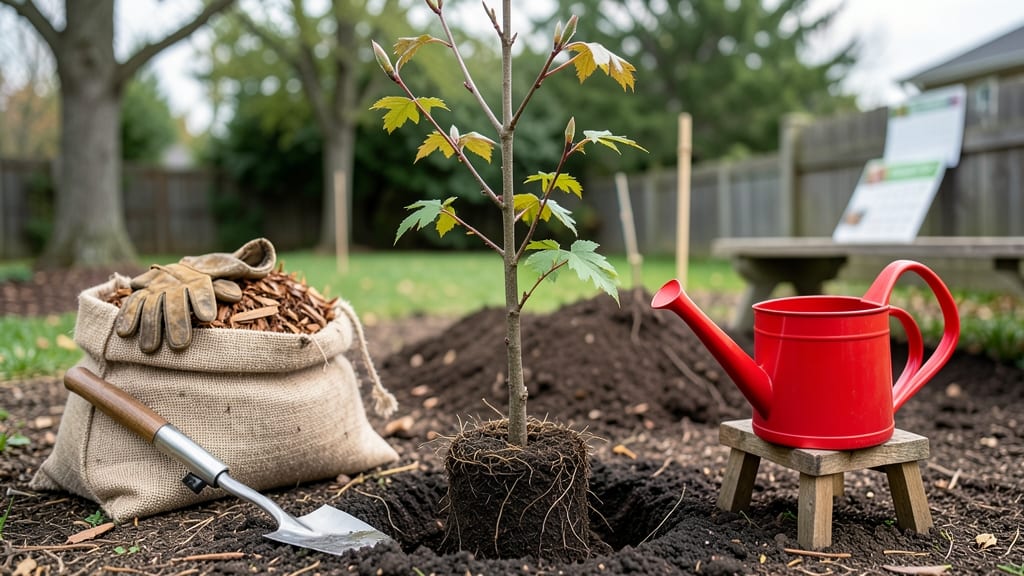
To plant trees in Wisconsin at the best time, aim for early spring or fall—when soil is workable but frost isn’t a threat.
Wisconsin’s unpredictable climate can make tree planting a gamble—plant too early and risk frost damage, too late and stunt root growth. Timing isn’t just about months; it’s about species, hardiness zones, and soil conditions.
For Zone 4a-6b, early spring (April) or fall (September-October) are ideal, but the right window depends on whether you’re planting bare-root or container-grown 🌳. Some trees, like oaks, need extra care to thrive in Wisconsin’s cold snaps.
Below, I’ll break down the perfect months for each species, soil prep tips, and how to avoid common mistakes that kill young trees before they take hold.
Wisconsin tree planting calendar by month: what to plant when
Wisconsin’s USDA Hardiness Zones 3-5 mean timing is everything—plant too early, and frost will kill tender roots. Too late, and your tree struggles to establish before winter. The ideal window is early spring (April) or fall (September-October), when soil is workable but temperatures are mild.
I’ve planted hundreds of trees in Wisconsin, and I’ve learned that species matter: oaks and maples thrive in fall, while fruit trees prefer spring.
Northern Wisconsin (Zones 3-4) has shorter growing seasons—focus on cold-hardy species like sugar maples and white pines. Southern Wisconsin (Zones 5-6) can handle fast-growing varieties such as silver maples or red oaks, but timing still depends on frost dates.
Always check your local last frost date (typically April 20 in most areas) before planting.
Here’s your month-by-month breakdown of what to plant, including deciduous and coniferous options. Pro tip: Bare-root trees plant best in early spring or fall, while container-grown trees can go in year-round (except winter).
For northern Wisconsin, prioritize fall planting (September-October)—cooler temps reduce transplant shock, and trees establish roots before winter. In southern Wisconsin, early spring (April) works well for fast-growing species like silver maples, but avoid planting after May 15 to prevent summer stress.
I once planted a red oak in late May, and it took two years to recover from heat damage.
Evergreens like blue spruce or white pine can handle late fall planting (October) if protected from wind. Deciduous trees like sugar maples or birches are best planted in early spring (April) or late summer (August) for maximum root growth.
Pro move: Test your soil pH before planting—Wisconsin’s clay-heavy soils often need gypsum or compost to improve drainage.
If you’re planting fruit trees, April is critical—they need time to establish before summer pests arrive. I’ve seen
Best trees for Wisconsin’s hardiness zones 3-5: fast-growing vs. cold-hardy options
Wisconsin’s hardiness zones 3-5 demand trees that balance rapid growth with cold resilience. Fast-growing species like silver maple can transform your landscape quickly, while cold-hardy varieties like sugar maple or white pine withstand brutal winters.
The right choice depends on your sunlight exposure, soil type, and long-term goals—whether you prioritize shade, fruit production, or wildlife support.
For fast growth, consider hybrid poplar or willow trees, which can shoot up 3-5 feet yearly but may lack longevity. In contrast, oak trees or birch grow slower (1-2 feet per year) but offer decades of durability.
Your soil pH (ideal: 6.0-7.5) and drainage will dictate which species thrive—some, like black walnut, tolerate acidic soil, while others, such as linden trees, prefer neutral or alkaline.
🌳 Fast-Growing vs. Cold-Hardy Trees in Wisconsin
Fast-Growing Trees
- Silver Maple: 3-5 ft/year, tolerates wet soil, but brittle wood.
- Hybrid Poplar: 4-6 ft/year, fast but short-lived (30-50 years).
- Willow: 3-4 ft/year, needs moisture, invasive roots.
Cold-Hardy Trees
- Sugar Maple: 1-2 ft/year, iconic fall color, needs well-drained soil.
- White Pine: 1-2 ft/year, drought-tolerant, wildlife-friendly.
- Oak (Bur or White): 1-1.5 ft/year, long-lived, acorns for wildlife.
If you’re planting for shade, sugar maple or northern pin oak are unbeatable, offering dense canopies and year-round interest. However, their slower growth means waiting 10-15 years for full shade.
For fruit production, apple or cherry trees (zones 4-5) thrive in Wisconsin but require cross-pollination—plant at least two varieties for a harvest.
Soil preparation is non-negotiable in Wisconsin’s clay-heavy soils. Amend with compost or peat moss to improve drainage, especially for root-sensitive species like birch. Mulch with wood chips (3-4 inches) to retain moisture and suppress weeds, but keep mulch 6 inches away from the trunk to prevent rot.
Sunlight needs vary wildly: full sun (6+ hours) suits oak and maple, while partial shade (3-6 hours) works for dogwood or serviceberry. Test your site’s sunlight with a sunlight tracker for a month—Wisconsin’s variable cloud cover can fool even experienced gardeners.
For wildlife benefits, prioritize native species like eastern red cedar (bird nests) or serviceberry (fruit for wildlife). These trees support local ecosystems while adding beauty. Just avoid invasive species like autumn olive, which can choke out natives.
Remember: fall planting (September-October) gives roots time to establish before winter, while early spring (April) avoids drought stress. Whether you choose a fast-growing poplar for quick shade or a slow-growing oak for legacy planting, Wisconsin’s climate rewards patience and preparation.