
Trees
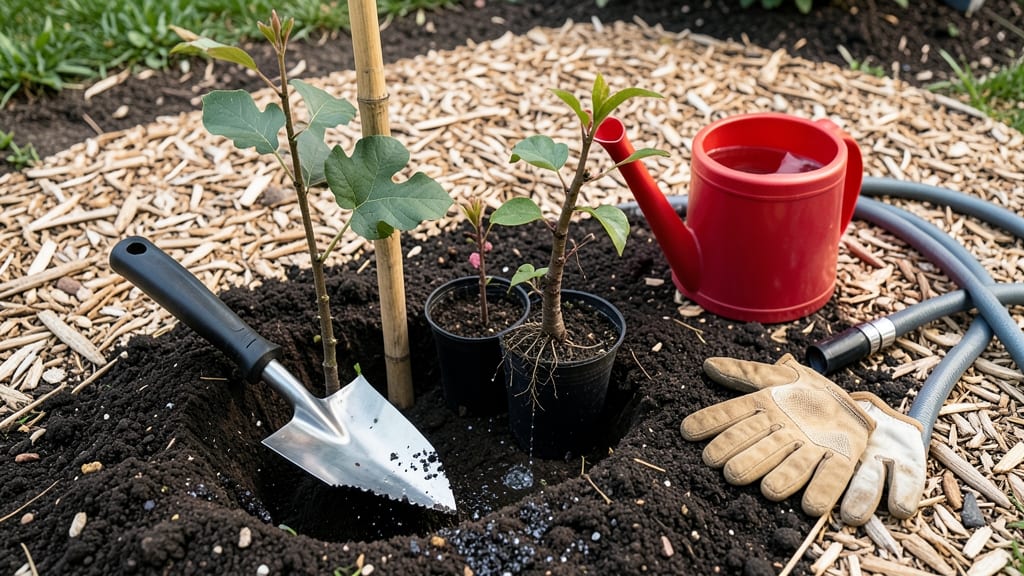
Planting trees in Kansas at the right time can mean the difference between a thriving 🌳 and a struggling one—so timing your project to match your hardiness zone and tree type is everything.
Miss the window, and you risk transplant shock or frost damage, which is how you end up with a $150 sapling that never grows beyond a sad twig. I’ve seen it happen too many times, even to experienced gardeners.
Kansas’s 5b-7a zones give you two prime chances: early spring (March–April) when the soil warms to 40–50°F, or fall (September–October) before the first frost. But not all trees play by the same rules—oaks, maples, and fruit trees each have their own ideal timing.
Below, I break down the exact months for your zone, the best tree species for Kansas, and the three mistakes that kill new plantings before they even take root. Let’s get your 🌳 off to the right start.
Best planting months in Kansas by USDA hardiness zones (5b-7a)
Kansas spans USDA Zones 5b through 7a, meaning your planting window depends heavily on where you live. In Zone 5b (northern KS), last frosts linger until mid-April, while Zone 7a (southern KS) sees spring arrive as early as late February.
The key to success is planting when soil temperatures hit 40-50°F—this lets roots establish before summer heat arrives.
Fall planting offers better survival rates in Kansas because established roots can access moisture before winter dormancy. For bare-root trees, aim for late November to early March—just before buds swell.
Container-grown trees, however, can go in anytime soil isn't frozen, giving you more flexibility in Zones 6a-7a.
Here’s your zone-by-zone planting timeline, including soil temp thresholds and ideal species for each area:
In Zone 5b, where winters are harsher, focus on fall planting (September–October) to give roots time to harden before November’s first frost. For Zone 7a, you can even plant bare-root trees in January if soil isn’t frozen—just cover roots with mulch to protect them.
Soil temperature is your best guide, not just calendar dates. Use a soil thermometer to confirm 40–50°F at 4 inches deep. In drought-prone areas (like western KS), prioritize deep watering after planting to combat dry winds. A 3-inch layer of mulch helps retain moisture and regulate soil temps.
For container-grown trees, flexibility is key—plant anytime soil is workable, even in late fall (November) as long as roots aren’t frozen. But bare-root trees must go in before buds swell (typically February–March in most zones).
Pro tip: Soak bare roots in water for 1–2 hours before planting to reduce transplant shock.
Kansas’ unpredictable spring weather means watching for frost warnings even in April. If a late frost is forecast, delay planting or protect young trees with frost cloth. In Zone 6b–7a, where springs arrive earlier, you can start containerized trees in February—just monitor soil temps closely.
Remember: Fall planting (September–October) is ideal for most Kansas zones because established roots can access winter moisture before dormancy. This reduces transplant shock and boosts survival rates. For Zone 5b, aim to finish by October 15; in Zone 7a, you can push into early November.
🌳
Top Kansas tree species & their ideal planting timelines
Kansas' diverse climate means timing is everything when planting trees. Oaks, maples, and fruit trees all have unique dormancy periods, and planting outside their ideal window can lead to transplant shock or poor root establishment.
In my experience, fall planting (September-October) gives young trees a head start, while bare-root species like oaks thrive when planted in late winter before buds swell.
For containerized trees, flexibility exists year-round, but soil temperature below 40°F can stunt root growth. Native prairie trees like chinkapin oak or eastern redbud are drought-tolerant but still need precise timing to avoid Kansas' unpredictable spring frosts.
Let's break down the best planting windows for your favorite Kansas trees.
🌳 Kansas Tree Planting Timeline by Species
- 🌳 Oak Trees (White, Red, Bur) - Best in late winter (Feb-Mar) as bare-root or early fall (Sept) for containerized. Wait until soil warms to 50°F to avoid root rot.
- 🌿 Maple Trees (Sugar, Red, Japanese) - Fall (Oct-Nov) preferred; avoid spring planting due to high sap flow and transplant stress. Dwarf varieties adapt better to urban microclimates.
- 🍎 Apple & Peach Trees - Dormant season (Nov-Feb) for bare-root; containerized can plant spring (Mar-Apr). Prune in late winter before buds break to reduce shock.
- 🌲 Pine Trees (Eastern White, Scots) - Spring (Apr-May) or fall (Sept). Pines hate wet feet—ensure well-draining soil in Kansas' clay-heavy areas.
- 🌿 Native Prairie Trees (Redbud, Chinkapin Oak, Hackberry) - Fall (Sept-Oct) for established root systems before winter. Water deeply after planting to combat prairie winds.
I’ve seen oaks planted in summer struggle with heat stress, while maples thrive when given 6-8 weeks to establish roots before Kansas' first frost.
For fruit trees, dormant planting minimizes pest pressure, but containerized varieties offer more flexibility. Pines, on the other hand, despise waterlogged soil, so raised beds work well in low-lying Kansas yards.
If you're in western Kansas (Zone 6b-7a), extend your fall planting into early November—cooler temps reduce transplant shock.
But in eastern Kansas (Zone 5b-6a), cover roots with mulch by late October to protect against early frosts. Native prairie trees like eastern redbud are low-maintenance once established, making them ideal for xeriscaping projects.
Pro tip: Test soil moisture before planting—Kansas' drought cycles can fool you. Deep watering (15-20 gallons per tree) after planting is non-negotiable, especially for young oaks and fruit trees. Mulch 3-4 inches deep but keep it 6 inches from the trunk to prevent rot.
Remember, containerized trees can be planted anytime soil isn’t frozen, but bare-root species demand precise timing. Fall is my top recommendation—cooler temps mean less stress and better root establishment before winter dormancy.
For fastest results, pair planting with mycorrhizal fungi to boost root growth in Kansas' challenging soils. 🌱