
Plants
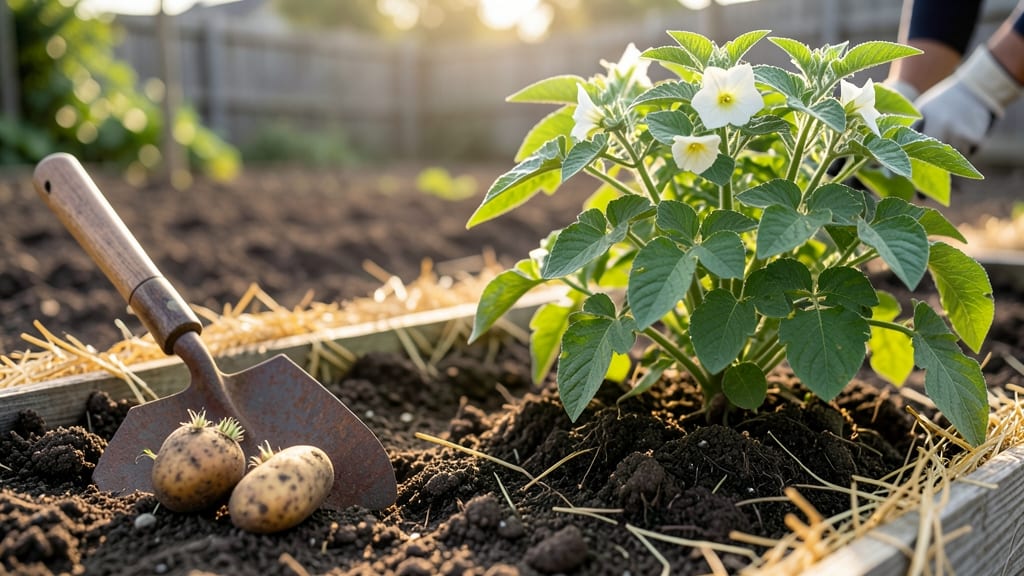
Plant potatoes in West Virginia when soil temperatures hit 50°F consistently—typically between late March and early April—but timing is everything to beat frost.
West Virginia’s unpredictable frost patterns can turn your potato harvest into a gamble unless you plant at the perfect time. One week too early, and your 🥔 sprouts will freeze; too late, and blight steals your crop before harvest.
Here’s the secret: Use a soil thermometer (not air temps) to trigger planting, and adjust for your microclimate—Appalachian valleys warm faster than highland areas like Morgantown.
You’ll learn the exact frost-free windows for your zone, soil tricks to add 2–4 weeks of protection, and the top WV varieties that thrive even with late frosts.
Optimal planting dates for West Virginia potatoes based on soil temperature
West Virginia’s Appalachian microclimates and elevation shifts (like Charleston’s lower valleys vs. Morgantown’s higher ridges) create wildly different frost risks. To nail your potato planting window, focus on soil temperature—not just air temperature.
Potatoes need soil at 50°F or warmer to sprout consistently, and WV’s frost dates can vary by 2–3 weeks between regions.
Start by checking your last frost date—West Virginia averages April 15 in most areas, but mountainous zones may see frost into May 1. Plant your seed potatoes 2–4 weeks before this date, but only when soil hits 50°F at 4-inch depth.
Use a soil thermometer for accuracy, especially in cold pockets like the Eastern Panhandle.
Here’s your region-specific planting timeline for West Virginia, adjusted for elevation and microclimates:
| Region | Avg. Last Frost | Soil Temp Trigger | Planting Window | Notes |
|---|---|---|---|---|
| Charleston (Lower Elevation) | April 10–15 | 50°F (early March) | March 1–15 | Warmer microclimate; risk of late frost in valleys. |
| Morgantown (Higher Elevation) | April 20–May 1 | 50°F (late March) | March 15–April 1 | Cooler soils; use black plastic mulch to warm soil faster. |
| Huntington (River Valley) | April 12–18 | 50°F (early March) | March 1–10 | Frost pockets near water; plant on slopes for warmth. |
| Elkins (Mountainous) | May 1–5 | 50°F (late March) | March 20–April 5 | Plant early varieties (e.g., ‘Red Norland’) for shorter season. |
For Appalachian microclimates, elevation matters more than latitude. Every 1,000 feet gain delays spring by 3–5 days. Use this rule: Add 3 days to planting for every 500 feet above 1,500 ft.
For example, if you’re at 2,500 ft (like in Tucker County), wait until late March even if Charleston gardeners start in early March.
Pro tip: Test soil temperature daily in the week before your target planting date. If temps dip below 45°F at night, delay planting or use row covers to protect sprouts. In Charleston’s river valleys, late frosts are common—plant ‘Yukon Gold’ (fast-maturing) as a buffer.
If you’re planting late varieties (like ‘Kennebec’), aim for June 1 to avoid blight pressure from WV’s humid summers. But stop planting by July 1, or tubers won’t mature before frost. Use a harvest calendar: Count back 90–120 days from your first frost date to set your deadline.
For container growing, soil warms faster in pots, so you can plant 2 weeks earlier than in-ground. But monitor drainage—potatoes hate soggy soil. In Morgantown’s cooler zones, try a cold frame to extend the season by 3 weeks on either end.
Remember: Soil temperature > air temperature. A sunny 60°F day with 40°F soil will stall sprouts. Invest in a $15 soil thermometer—it’s the difference between bountiful harvests and wasted seed potatoes. Start checking soil temps in February to plan ahead.
🌱
3 Soil temperature tricks to avoid frost damage in West Virginia gardens
West Virginia’s unpredictable frost dates can devastate potato crops if you’re not prepared. The key to success lies in manipulating soil temperatures to create a microclimate that protects your plants. By using these three proven tricks, you can extend your growing season by 2–4 weeks and avoid frost damage entirely.
First, understand that potatoes need soil temperatures of at least 45°F (7°C) to sprout consistently, but 50°F (10°C) is ideal for optimal growth. In West Virginia’s USDA Zone 6a, this often means starting your potatoes indoors or using protective methods to warm the soil faster.
-
1
Black Plastic Mulch Timing
Lay black plastic mulch 2–3 weeks before planting (by late February). This raises soil temps by 10–15°F and speeds up sprouting. Remove it once tubers form to prevent overheating. -
2
Cold-Frame Prep
Use a cold frame to plant potatoes 3–4 weeks earlier than usual. Cover with clear plastic during late nights to trap heat. Monitor soil temps—ideal range is 50–60°F (10–15°C) for best growth. -
3
Companion Planting
Plant onions or garlic alongside potatoes to deter pests and improve soil structure. Their shallow roots won’t compete with tubers, but they release compounds that boost growth and reduce frost sensitivity.
Don’t forget the stopping rule: In West Virginia, cease planting potatoes by June 1st to avoid late-season blight. After this date, the risk of fungal diseases skyrockets, and your tubers won’t have enough time to mature before frost.
For extra protection, pair these tricks with row covers during unexpected cold snaps. Even a light frost (28–32°F) can damage emerging sprouts, so stay vigilant. With these methods, you’ll enjoy a bountiful harvest without the stress of frost damage.
Pro tip: Test your soil temperature with a soil thermometer before planting—consistent 50°F+ readings mean it’s time to get those seed potatoes in the ground! 🥔