
Plants
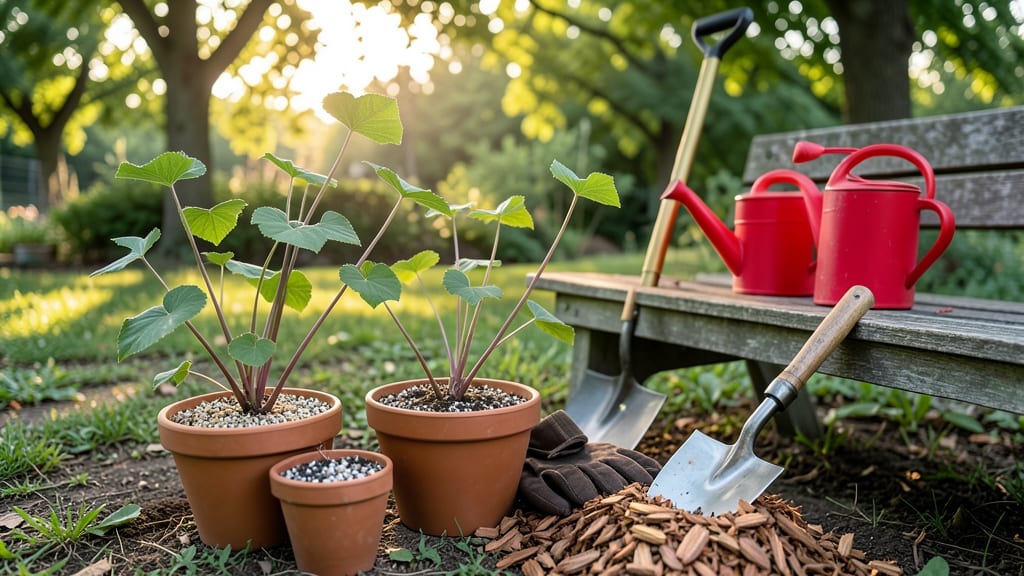
Planting sweet potatoes in Michigan requires timing them to soil warmth, not just frost dates—aim for when the ground hits a steady 60°F to kickstart growth.
Michigan’s unpredictable frost dates can make sweet potato gardening a gamble—unless you time your planting perfectly based on soil warmth, not just calendar dates.
Most gardeners in USDA Zones 4-6 wait until late May or early June, but a soil thermometer is your real guide. Too early, and chilly soil stunts roots; too late, and the season shrinks before harvest.
Here’s how to nail the window: soil temperature tricks, regional adjustments, and 5 proven ways to extend your growing season if frost lingers.
Michigan’s ideal sweet potato planting window: soil temperature over calendar dates
Sweet potatoes in Michigan don’t follow the same rules as other crops. While most gardeners wait for the last frost date, sweet potatoes need warm soil (60-65°F) to germinate properly. Planting too early in cool soil leads to rot and poor yields, even if the air feels warm.
The Lower Peninsula typically hits this threshold 2-3 weeks earlier than the Upper Peninsula, creating regional differences you can’t ignore.
Michigan’s average last frost dates range from mid-May in southern regions to late May in northern areas. However, soil warms more slowly, often reaching 60°F between late May and early June.
This delay is why many gardeners in USDA Zones 5-6 (covering most of Michigan) end up with failed sweet potato patches when they plant based on frost dates alone.
Here’s the critical insight: Soil temperature matters more than calendar dates. A soil thermometer is your best friend—plant slips only when the soil stays consistently above 60°F for 5+ days.
In southern Michigan, this usually aligns with early June, while northern Michigan may need to wait until mid-June or later.
Early planting (before soil warms) risks seed rot and slow germination, but late planting (after June 15) shortens the growing season. Sweet potatoes need 90-120 days to mature, so aim for a harvest before the first fall frost (mid-September in most areas).
This means your planting window is tight—usually just 4-6 weeks—and requires precise timing.
Microclimates play a huge role. Urban areas with pavement heat up faster than rural fields, while lake-effect zones near Great Lakes may stay cooler longer. Even a south-facing slope can warm 3-5 days earlier than a north-facing bed. Use these natural advantages to extend your planting window when possible.
Now, let’s break down the exact planting windows by region using Michigan-specific data:
If you’re in southern Michigan, you have a wider margin for error—planting as early as May 25 (with soil warming tricks) can work, but most gardeners wait until June 1 to avoid cold soil risks.
In contrast, northern Michigan growers often push planting to June 15 or later, accepting a shorter season for better germination chances.
The tradeoff between early and late planting is real. Early planting gives you a longer growing season but risks rot and poor germination in cool soils. Late planting avoids these issues but may result in smaller tubers if harvest happens before full maturity.
My recommendation? Monitor soil temps daily using a soil thermometer and plant slips only when the soil hits 60°F consistently.
For Upper Peninsula gardeners, consider using black plastic mulch to warm the soil faster—this can shave 7-10 days off your planting window.
In southern Michigan, where summers are longer, you might even squeeze in a second planting by July 15 for a late-season harvest, though yields will be smaller.
Remember, sweet potatoes are heat-loving plants—they thrive in 80-90°F soil temps during the growing season. Once planted, focus on consistent moisture (1-2 inches per week) and mulching to keep roots cool. With the right timing, you’ll avoid the heartbreak of watching your slips rot in the ground.
Pro tip: If your soil is still too cool by mid-June, start slips indoors in biodegradable pots and transplant when soil warms. This extends your window by 2-3 weeks without sacrificing yield potential.
5 Proven methods to extend Michigan’s sweet potato growing season
Michigan’s short growing season and unpredictable frosts can threaten your sweet potato harvest, but with the right strategies, you can push your plants to maturity safely. The key lies in soil warmth and frost protection—not just waiting for the last frost date.
Sweet potatoes need consistent temperatures above 60°F to thrive, so extending your season requires proactive planning. Let’s explore five battle-tested methods to give your sweet potatoes the best shot at success, even in Michigan’s cooler climate.
First, black plastic mulch is your secret weapon. This method warms the soil 5-10°F faster than bare earth, creating an ideal environment for sweet potato slips. By laying it down 2-3 weeks before planting, you’ll hit that critical 60°F threshold sooner.
Pair this with row covers for extra insulation during early or late frosts—they can add 5-8°F of protection without stifling your plants. These two techniques combined can shave 2-3 weeks off your growing season, making all the difference in Michigan’s climate.
🌱 Numbered Highlights: Extend Your Sweet Potato Season
- 🔹 1. Black Plastic Mulch: Lay down 2-3 weeks before planting to warm soil to 60°F+.
- 🔹 2. Row Covers: Use floating fabric for 5-8°F frost protection during early/late cold snaps.
- 🔹 3. Raised Beds: Fill with compost-rich soil to heat up 3x faster than in-ground plots.
- 🔹 4. Companion Planting: Pair with beans or marigolds to deter pests and improve soil.
- 🔹 5. Early Slips: Start with smaller slips (6") for faster root establishment in cool soil.
Raised beds are another game-changer for Michigan gardeners. By building beds at least 12 inches deep and filling them with a mix of compost, peat moss, and native soil, you’ll create a microclimate that warms up 3 times faster than traditional in-ground plots.
This means your sweet potatoes can get a head start on growth, giving you a longer harvest window. Plus, raised beds drain better, reducing the risk of root rot—a common issue in Michigan’s heavy clay soils. Aim to prepare your beds 4-6 weeks before planting to maximize warmth.
Don’t overlook the power of companion planting. Sweet potatoes benefit from being planted near beans, marigolds, or okra, which improve soil health and deter pests like sweet potato weevils. Marigolds, in particular, release natural nematicides that keep harmful soil organisms at bay.
This method is low-cost and easy to implement—just interplant your companions 2-3 weeks before or after your sweet potatoes. It’s a simple way to boost yields without extra effort.
Finally, choose the right slips for Michigan’s climate. Opt for smaller, 6-inch slips instead of larger ones—they establish roots faster in cooler soil. If you’re starting from seed, begin indoors 8-10 weeks before your target planting date and transplant when soil temps reach 60°F.
This early start gives your plants a critical advantage in Michigan’s short season. Pair this with weekly soil checks using a thermometer to ensure you’re planting at the optimal time.
With these five methods, you’ll turn Michigan’s frosty challenges into opportunities for a longer, more reliable sweet potato harvest. Start preparing your soil and tools now—your future harvest depends on it! 🌱