
Companion Plants
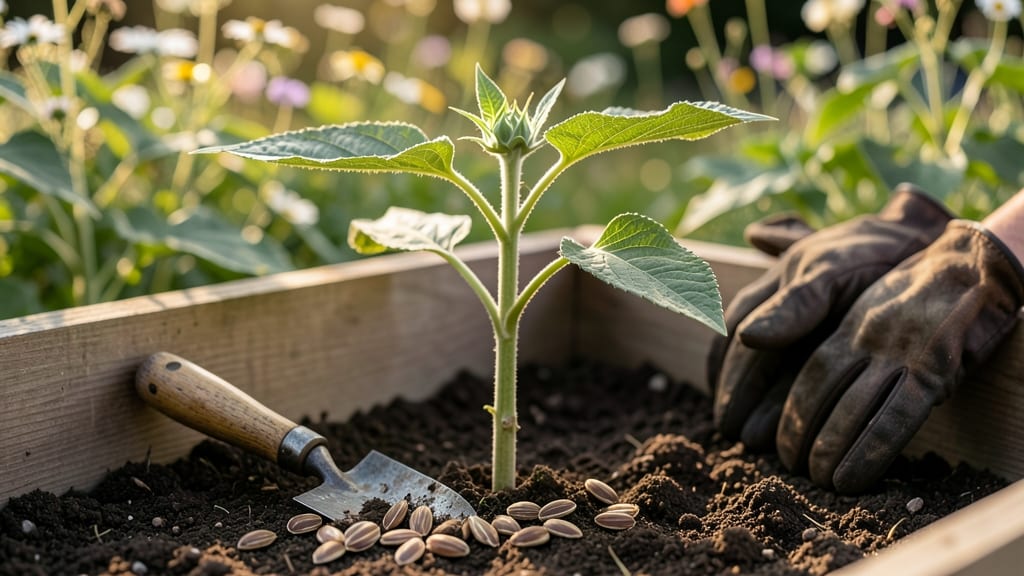
Planting sunflower seeds in Pennsylvania after the last frost date — when soil temperatures hit 50°F — is the key to avoiding frost damage and unlocking those towering 🌻 blooms by summer.
Sunflowers aren’t just beautiful—they’re one of the easiest and fastest-growing plants to cultivate in Pennsylvania, but timing is everything to avoid frost damage and maximize blooms.
In USDA Zones 6A/7A, that means waiting until mid-April in colder regions or early April in warmer areas, when the ground thaws and stays reliably warm.
Below, I’ll break down the exact frost-free timeline, soil prep secrets, and whether to start seeds indoors or sow directly—so you can go from seed to sunflower in record time.
Best planting dates for sunflowers in PA’s USDA zones 6A/7A
Sunflowers thrive in Pennsylvania’s climate when planted at the right time, but frost dates and soil temperatures can make or break your harvest. In USDA Zones 6A/7A, timing your sunflower seeds correctly ensures strong germination and full-season blooms before the first frost.
Let’s break down the exact windows for direct sowing and transplanting starter plants to maximize your success.
For Pennsylvania gardeners, the last spring frost typically falls between April 1 and April 15, depending on your specific location within Zones 6A/7A. Sunflower seeds need soil temperatures of at least 50°F to sprout properly, so waiting until after the frost date is critical.
Planting too early risks frost damage to young seedlings, while waiting too long can shorten the growing season for taller varieties.
| Planting Method | Ideal Planting Window | Soil Temp Requirement | Notes |
|---|---|---|---|
| Direct Sowing (Outdoors) | April 15 - May 31 | 50°F+ | Best for most varieties; plant 1 inch deep, 6 inches apart. |
| Transplanting Starters | April 15 - June 15 | 55°F+ | Hardier starters can handle cooler soil; space 12-24 inches apart. |
| Late Succession Planting | June 1 - July 15 | 50°F+ | Choose dwarf varieties for smaller harvests before first frost. |
| First Frost Risk | October 15 (Zone 6A) / October 30 (Zone 7A) | N/A | Plan for 70-120 days to maturity before frost. |
If you’re direct sowing sunflower seeds, aim for the two-week window after your last frost date. For most of Pennsylvania, this means mid-April to late May is your sweet spot.
I like to mark my calendar for April 15 as a safe starting point, especially in Zone 6A, where frosts can linger longer. In Zone 7A, you might push planting slightly later into early June for a second crop of dwarf varieties.
For those who prefer transplanting starter plants, the window extends a bit later—up to mid-June. Starters are more resilient to cooler soil, so you can often get a head start indoors in late March and transplant them outdoors once the soil warms.
This method is ideal if you’re growing taller varieties like ‘Mammoth’ or ‘Russian Giant’, which need more time to mature before frost.
One trick I’ve learned is to test soil temperature with a simple soil thermometer before planting. Sunflower seeds won’t germinate well below 50°F, so if your soil is cooler, wait a few more days.
In my experience, early May is often the safest bet for direct sowing, as soil temperatures consistently reach the ideal range by then.
Don’t overlook late-summer planting for a second harvest! In Zone 7A, you can sow dwarf varieties like ‘Teddy Bear’ or ‘Sunspot’ as late as early July. These varieties mature quickly—often in 60-70 days—so they’ll still produce blooms before the first frost.
Just be sure to choose varieties labeled for short-day conditions to ensure proper flowering.
Protecting young seedlings from late spring frosts is key. I always keep a row cover or lightweight frost cloth handy for the first few weeks after planting. Even a light frost can stunt growth, so covering seedlings overnight during April and early May gives them a fighting chance.
For extra insurance, plant near warmth-loving companions like beans or corn, which can help radiate heat back to the soil.
Remember, soil preparation is just as important as timing. Sunflowers love well-draining soil with a pH between 6.0 and 7.5. Before planting, mix in compost or aged manure to enrich the soil, and ensure the area gets full sun (6+ hours daily).
Amending the soil not only improves drainage but also provides the nutrients sunflowers need to grow tall and strong.
Finally, keep an eye on your local weather forecasts in the weeks leading up to planting. If a cold snap is predicted, delay planting until temperatures stabilize. Sunflowers are forgiving once established, but seedlings are delicate.
With the right timing and a little patience, you’ll be rewarded with vibrant blooms and maybe even some sunflower seeds for next year! 🌻
How to extend sunflower growing season in Pennsylvania’s climate
Pennsylvania’s short growing season can feel like a challenge for sunflowers, but with the right strategies, you can enjoy vibrant blooms well into fall. The key lies in protecting tender seedlings, choosing the right varieties, and smart planting techniques to beat early frost.
I’ve found that even in USDA Zones 6A/7A, sunflowers can thrive until mid-October with minimal effort.
One of my favorite tricks is using row covers or cold frames to create a microclimate that extends the season by 3-4 weeks. These simple tools can shield young plants from late spring frosts and early fall chills, giving you a longer window for growth.
For those who love late-season blooms, succession planting with quick-maturing varieties is a game-changer.
Here’s how I extend my sunflower season in Pennsylvania using proven methods:
- 1
- 2
- 3
- 4
Cold frames are another fantastic tool for extending the season. I’ve seen sunflower seedlings thrive in a cold frame until mid-October in Zone 6A. These low-cost structures trap heat during the day and insulate at night, creating a protected environment.
For maximum protection, add a clear plastic lid during cold snaps—just remember to prop it open during warm days to prevent overheating.
Don’t overlook the power of succession planting. By sowing new seeds every 2 weeks from June through July, you’ll enjoy continuous blooms well into September. Choose dwarf varieties like 'Teddy Bear' for containers or small spaces, as they mature faster and are less prone to wind damage.
Finally, always prioritize well-draining soil and full sun exposure (6+ hours daily) to ensure healthy growth. With these strategies, you’ll turn Pennsylvania’s short season into a sunflower lover’s paradise—just in time for fall festivals and seed-saving! 🌻