
Plants
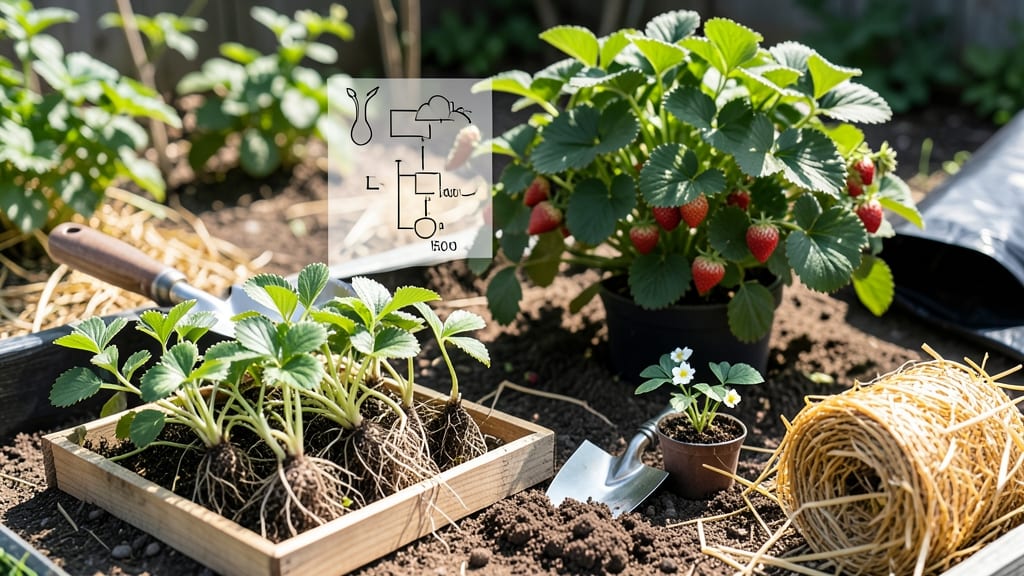
To plant strawberries in Pennsylvania, aim for early spring (March–April) or early fall (September–October) when soil temperatures hover above 40°F but before the ground freezes.
Pennsylvania’s diverse climate—from the cool Appalachians to the humid Piedmont—means timing your strawberry planting just right can mean the difference between a bountiful harvest and a disappointing crop. Get the months, zones, and pro tips to maximize your strawberry yield this season.
June-bearing varieties need cool spring soil to establish roots before summer heat, while everbearing types benefit from a fall planting to extend fruiting into early autumn. Whether you’re in zone 5b or 7a, knowing your last frost date (typically mid-April) is the key to avoiding frost damage.
Below, I’ll break down the best planting windows by zone, soil prep secrets, and the top varieties for Pennsylvania’s short growing season—so you can enjoy sweet, homegrown 🍓 from June through September.
Pennsylvania strawberry planting months by hardiness Zone (5-7)
Pennsylvania gardeners know the strawberry season is short but sweet—literally! With USDA zones 5-7 spanning from Pittsburgh’s urban gardens to the Pocono Mountains, timing your strawberry planting correctly ensures your June-bearing varieties fruit heavily while everbearing types stretch your harvest into fall.
The key? Planting in early spring or early fall, when soil temps hover between 40°F and 70°F.
In Zone 5 (northern PA), your last frost date often lands in mid-April, leaving a narrow window for spring planting. Meanwhile, Zone 7 (southern PA) can push planting into early May safely. Fall planting works best in September, giving roots time to establish before winter dormancy.
Let’s break down the ideal months for each zone and variety type to avoid frost damage and maximize yield.
For June-bearing strawberries, timing is everything—plant in spring for a single massive harvest in late June or July. These varieties, like 'Honeoye', thrive in Zone 6 and reward patience with pound-after-pound of fruit.
In contrast, everbearing types like 'Seascape' produce two smaller harvests: one in early summer and another in fall, making them ideal for Zone 5 gardeners who want extended yields.
If you’re planting in fall, focus on Zone 7 first—its later first frost (often mid-October) gives roots more time to establish. For Zone 5, stick to September plantings and use straw mulch (3–4 inches) to insulate crowns during winter.
Pro tip: Day-neutral varieties like 'Albion' are your best bet for fall planting in Zone 6, as they’ll fruit lightly even in their first year.
One mistake I see often? Planting bare-root strawberries too early in Zone 5 when soil is still frozen. Always check soil temps with a soil thermometer—aim for 40°F+.
For container gardening in cities like Philadelphia, extend your season by planting in late April and using black plastic mulch to warm soil faster. This trick adds 2–3 weeks to your growing window in Zone 7.
Don’t overlook microclimates! A south-facing slope in Zone 6 might warm up enough for May planting, while a shady valley could delay spring plantings until mid-April. Observe your garden’s sun exposure and wind patterns—strawberries hate winter desiccation from drying winds.
If your yard is exposed, add a windbreak like a bamboo fence or evergreen hedge.
For organic gardeners, amend soil with composted manure or worm castings 2–3 weeks before planting. Strawberries are heavy feeders, but too much nitrogen leads to leafy growth and fewer berries. A balanced 10-10-10 fertilizer applied at planting and again in early summer keeps them productive.
In Zone 5, I’ve had the most success with 'Chandler'—it’s disease-resistant and handles our humid summers better than fancier varieties.
Remember: June-bearing strawberries planted in fall won’t fruit until the following year, but the root system will be stronger and more drought-resistant. For everbearing
How to prepare soil and Choose varieties for Pennsylvania’s climate
Pennsylvania’s cool springs and humid summers demand careful soil preparation and variety selection for thriving strawberries. The right soil mix and disease-resistant varieties like 'Jewel' and 'Chandler' can transform your garden into a productive strawberry patch. Let’s break down the essential steps to set your plants up for success.
First, test your soil pH—strawberries prefer a slightly acidic environment between 5.5 and 6.8. If your soil is too alkaline, amend it with sulfur or peat moss to lower the pH. Drainage is equally critical; strawberries hate soggy roots, so avoid low-lying areas where water pools.
Raised beds or mounded soil work wonders in Pennsylvania’s clay-heavy soils, especially in zones 5b-7a.
Organic matter is the secret weapon for Pennsylvania gardens. Work in 3-4 inches of compost or well-rotted manure before planting to improve soil structure and fertility. Mix in a balanced fertilizer (10-10-10) at planting time to give your strawberries a nutrient boost. Avoid fresh manure, as it can burn tender roots and invite pests.
🌱 Step-by-Step Soil Prep for PA Strawberries
- 🔹 Test soil pH (aim for 5.5-6.8)
- 🔹 Amend with compost or peat moss for acidity and drainage
- 🔹 Loosen soil 12 inches deep to encourage root growth
- 🔹 Mix in 10-10-10 fertilizer at planting
- 🔹 Choose raised beds if native soil is heavy or waterlogged
When selecting strawberry varieties, prioritize those bred for Pennsylvania’s short growing season and humid conditions. June-bearing varieties like 'Jewel' produce a heavy harvest in late June and are highly disease-resistant, making them ideal for PA’s climate.
For a prolonged harvest, opt for everbearing varieties like 'Chandler', which yield fruit from June through August.
Another top pick is 'Seascape', a day-neutral variety that fruits continuously from early summer to frost. It’s also drought-tolerant and handles Pennsylvania’s hot, humid summers better than many other varieties. If you’re short on space, consider Albion, a compact, everbearing option perfect for containers or small gardens.
After planting, mulch heavily with straw or shredded leaves to retain moisture, suppress weeds, and protect berries from soil-borne diseases. Pennsylvania’s variable weather can stress strawberries, so keep an eye out for gray mold or powdery mildew—common in humid summers.
Prune old leaves after harvest to improve airflow and reduce disease risk.
With the right soil prep and variety choices, your Pennsylvania strawberry patch will thrive despite the challenges of the region’s climate. Happy planting—your future berries will thank you! 🍓