Plants
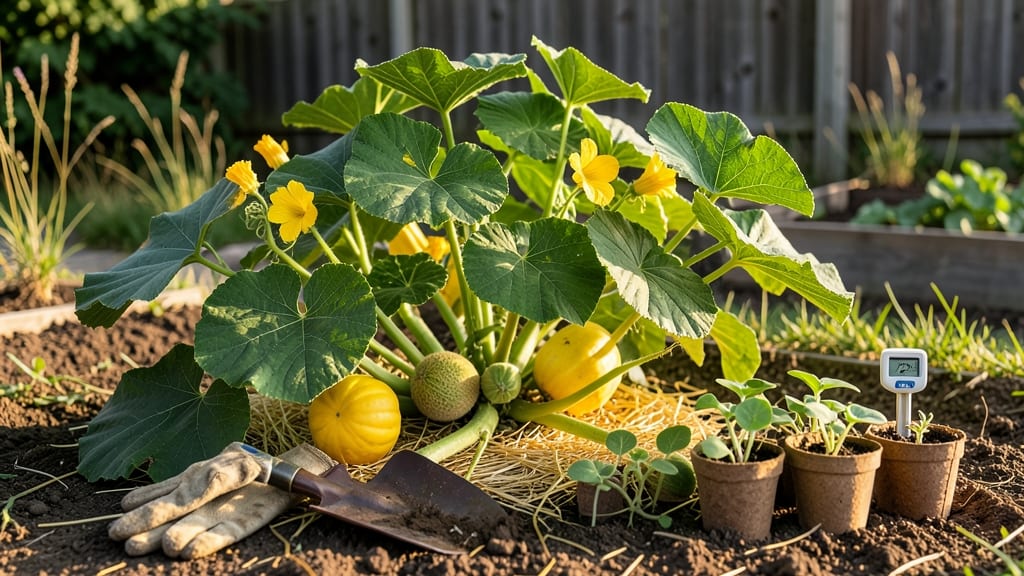
Planting squash in Louisiana at the right time means the difference between a bountiful harvest and wasted seeds — and the window is narrower than you think.
Louisiana’s humid climate and long growing season make squash a perfect crop, but planting too early risks frost damage, while waiting too long can leave vines struggling in the heat. Timing is everything, and these mistakes could ruin your harvest before it starts.
In zones 8a-9b, the ideal window for summer squash is mid-February to early April for transplants or late March to early May for direct sowing, when soil temperatures hit 60°F. But even then, heat and humidity can turn your garden into a pest magnet if you’re not prepared.
Below, I’ll walk you through the exact planting schedule for your region, how to prep soil for Louisiana’s heavy clay, and the three critical mistakes that derail even the most eager gardeners.
Best planting times for squash in Louisiana’s climate zones
Louisiana’s unique climate—balancing hot summers, humid air, and occasional late frosts—demands precise timing for squash planting. Summer squash (like zucchini and yellow squash) and winter squash (such as butternut and pumpkins) thrive in different windows, but both need warm soil and consistent heat to flourish.
In North Louisiana (USDA Zones 7b-8a), cooler springs delay planting, while South Louisiana (Zones 8b-9a) allows earlier starts. Let’s break down the exact windows to maximize your harvest.
For summer squash varieties, the ideal window is late March to early May in most of Louisiana, aligning with soil temperatures above 60°F (15°C). Winter squash, which needs a longer growing season, should go in the ground mid-February to early April for transplants or late March to early May for direct sowing.
These timelines ensure your plants avoid late spring frosts (common in North Louisiana) while capitalizing on the state’s 240+ frost-free days.
Here’s how Louisiana’s two distinct regions differ in planting windows, soil prep, and frost risks:
In North Louisiana, where frosts can linger into early April, I recommend starting transplants indoors by March 1 and hardening them off before moving outside.
For direct sowing, wait until after April 15 to ensure soil warmth. South Louisiana gardeners enjoy a head start—transplants can go in as early as mid-February, while direct sowing can begin by late March.
One critical mistake I see is planting too early in cooler zones, which leads to stunted growth or fungal diseases from damp soil. Use a soil thermometer to confirm 60°F (15°C) before planting.
If your soil is colder, black plastic mulch can warm it up by 5-10°F in just a few days.
For summer squash, aim for a harvest by July to avoid heat stress during Louisiana’s peak summer months. Winter squash, like butternut or pumpkins, needs 90-120 days to mature, so plant them by early May at the latest in North Louisiana.
In South Louisiana, you can extend this to mid-May for a fall harvest.
Don’t forget to rotate planting locations every year to prevent soil-borne diseases like powdery mildew, which thrives in Louisiana’s humidity. If you’re in a small-space garden, consider container growing for bush varieties like ‘Eight Ball’ zucchini, which matures in just 45 days.
Pro tip: Mark your calendar for June 1—this is the last safe date to plant squash in Louisiana. After this, high temperatures (above 90°F) can cause blossom drop and poor fruit set. If you miss this window, focus on fall transplants for a late harvest.
Finally, monitor your squash plants for squash vine borers, a common pest in Louisiana. Early planting gives vines a head start to outpace these insects. Use row covers for young plants or apply neem oil as a preventative measure.
3 Critical planting mistakes Louisiana gardeners make (and how to fix them)
Louisiana gardeners love growing squash for its hardiness and productivity, but even the best-intentioned growers make planting mistakes that can lead to poor yields. The humid climate and long growing season mean timing, soil prep, and pest prevention are critical. Let’s tackle the top three errors—and how to avoid them.
First, many gardeners plant squash too early in the season, risking frost damage or stunted growth. Louisiana’s last frost typically occurs around February 15, but soil temperatures need to reach 60°F (15°C) before planting. Waiting until late March or early April ensures your plants thrive from the start.
Another common mistake is ignoring heat tolerance when selecting varieties. While squash grows well in Louisiana’s heat, some varieties wilt under 90°F+ temperatures. Opt for heat-tolerant types like Yellow Crookneck or Butternut, which handle humidity and heat better than delicate varieties.
⚠️ Warning: Skipping Soil Prep is a Big Mistake
Louisiana’s clay-heavy soil drains poorly, leading to root rot if not amended. Test your soil and mix in 2-3 inches of compost or aged manure before planting. Squash thrives in well-draining, nutrient-rich soil—don’t skip this step!
Many gardeners also forget to rotate planting locations yearly, which increases the risk of soil-borne diseases like powdery mildew. Squash is heavy feeders and depletes nutrients, so avoid planting them in the same spot for at least 3 years to keep your garden healthy.
Finally, overcrowding seedlings is a frequent error that stunts growth. Squash vines need 3-4 feet of space to sprawl, so thin seedlings to 2-3 plants per hill. Proper spacing improves airflow, reducing the risk of fungal diseases common in Louisiana’s damp climate.
By avoiding these mistakes—planting at the right time, choosing heat-tolerant varieties, prepping soil, rotating crops, and spacing properly—you’ll set your squash plants up for a bountiful harvest. Happy gardening! 🎃