
Plants
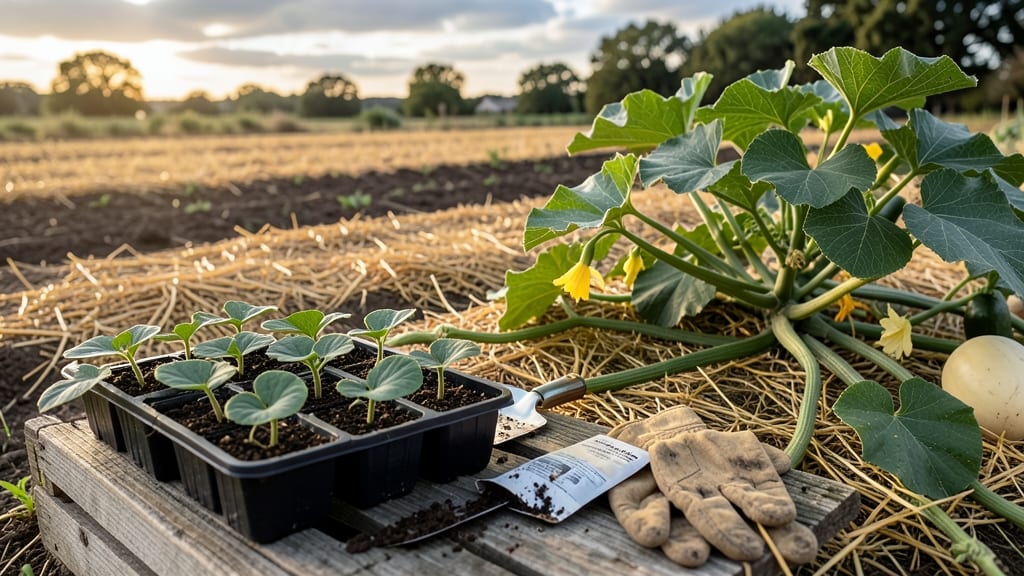
Planting squash in Colorado at the right time means the difference between a bountiful harvest and a frost-killed crop 🎃 — and the exact weeks depend on where you live in the state.
Colorado’s diverse microclimates—from high-altitude valleys to arid plains—mean squash planting timing can vary by weeks, not just days. Get it wrong, and you risk losing your plants to late frosts or watching them bolt in the heat.
The key is knowing your last-frost date and soil temperature, which shift dramatically between Denver’s 5b-6a zone and Colorado Springs’ 6b.
Most Colorado gardeners should wait until mid-May to early June to plant squash directly in the ground, once soil hits 60°F and nighttime temps stay above 50°F.
But if you’re in the Western Slope or San Luis Valley, you might have a 2-week head start—or need to push planting into July for high-altitude areas.
Below, I break down the exact planting windows for Colorado’s five microclimate zones, plus tips for starting squash indoors (if needed) and extending your harvest season with row covers or cold-hardy varieties.
Colorado squash planting calendar by microclimate zone (exact weeks)
Colorado’s varied elevations create distinct growing zones where squash thrives at different times. The Front Range (Denver, Boulder) has later frost dates than the Western Slope (Grand Junction), while the High Mountains (Aspen, Leadville) face a much shorter growing season.
Understanding these zones helps you plant at the perfect time for summer squash (zucchini, yellow crookneck) or winter squash (butternut, acorn).
All squash varieties need soil temperatures above 60°F (15°C) to germinate properly. In Colorado, this typically means waiting until late May or early June, but exact timing shifts dramatically based on your elevation and microclimate.
For example, Grand Junction can plant 3-4 weeks earlier than Fort Collins due to warmer spring soils.
Here’s your zone-specific planting calendar with exact weeks, last frost dates, and ideal transplant windows for both summer and winter squash varieties:
| Zone | Last Frost Date | Ideal Planting Window | Soil Temp Requirement | Summer Squash (Days to Maturity) | Winter Squash (Days to Maturity) |
|---|---|---|---|---|---|
| Front Range (Denver, Boulder, Fort Collins) | May 10-20 | Week of May 20 (direct sow) or May 10 (transplant) | 60°F+ (15°C+) | 45-55 days (zucchini, pattypan) | 80-100 days (butternut, acorn) |
| Western Slope (Grand Junction, Durango) | April 20-May 5 | Week of May 1 (direct sow) or April 25 (transplant) | 60°F+ (15°C+) | 45-55 days (early zucchini) | 80-90 days (acorn, spaghetti) |
| Eastern Plains (Greeley, Lamar) | April 25-May 10 | Week of May 15 (direct sow) or May 5 (transplant) | 60°F+ (15°C+) | 50-60 days (fast-maturing varieties) | 90-100 days (hubbard, kabocha) |
| San Luis Valley (Alamosa, Monte Vista) | May 1-15 | Week of May 25 (direct sow) or May 15 (transplant) | 65°F+ (18°C+) | 50-60 days (bush varieties) | 85-95 days (early winter squash) |
| High Mountains (Aspen, Leadville) | June 1-15 | Week of June 10 (direct sow) or May 25 (transplant) | 70°F+ (21°C+) | 45-55 days (only fast varieties) | 90-100 days (limited options) |
⚠️ Note: Transplanting gives squash a 2-week head start over direct sowing. Use black plastic mulch to warm soil faster in cooler zones.
For the Front Range, where I garden in Denver, I always plant zucchini seeds directly after Memorial Day weekend (around May 20) to avoid early frost surprises. The soil here rarely warms up before then, even if daytime temps feel spring-like.
If you’re in Grand Junction, you can push it back to mid-April for summer squash, but winter varieties still need to wait until late May.
In high-altitude zones like Aspen, I recommend sticking to bush varieties (like 'Eight Ball' zucchini) that mature in 45-55 days. These can finish before the first frost in early September. For winter squash, butternut squash is my top pick because it tolerates cooler soils better than other varieties.
Always start seeds indoors 4-6 weeks before your zone’s last frost date if you’re growing winter squash.
To extend your growing season in shorter-season zones, use row covers
How to adjust planting time for early vs late varieties in Colorado
Colorado’s short growing season demands smart timing when planting squash. Summer squash like zucchini and pattypan mature in just 45-55 days, while winter squash such as butternut and acorn need 90-120 days to reach harvest.
The key is matching your variety to your last frost date and using succession planting for continuous yields.
For fast-maturing summer squash, I recommend starting seeds indoors 4-6 weeks before your last frost date (typically mid-April for Denver). Transplant seedlings outdoors when soil temps hit 60°F (15°C), usually by May 15 in most Colorado zones.
These varieties thrive with early planting and can handle cooler soils better than their winter counterparts.
Winter squash, however, requires warmer soil and longer growing windows. I wait until June 1 or later to plant these seeds directly outdoors, ensuring at least 120 frost-free days remain.
In Colorado’s USDA Zones 5-7, this means starting winter squash no later than late May in the Front Range or early June in higher elevations.
| Variety Type | Days to Maturity | Best Planting Window | Succession Planting? |
|---|---|---|---|
| Summer Squash (Zucchini, Pattypan) | 45-55 days | April 15 - May 15 (indoors) / May 15 - June 1 (outdoors) | Yes (every 2 weeks) |
| Winter Squash (Butternut, Acorn) | 90-120 days | May 15 - June 15 (direct sow) | No (long season needed) |
| Hybrid Varieties (e.g., 'Waltham Butternut') | 60-80 days | May 1 - June 10 | Optional (1x late planting) |
To extend your harvest, I use succession planting for summer squash. Plant a new batch every 2 weeks from May through June. This ensures a steady supply of zucchini and yellow squash all summer long.
For winter squash, focus on one late planting by July 1 if your season is long enough—just be prepared to protect plants with row covers as fall approaches.
In Colorado’s high-altitude areas (above 7,000 ft), I shift all planting dates 2-3 weeks later to avoid early frosts. For example, summer squash goes in around June 1 instead of May.
Always check your local CoCoRaHS frost maps for precise timing, as microclimates can vary dramatically even within the same county.
Pro tip: Use black plastic mulch to warm soil faster and plant fast-maturing varieties like 'Eight Ball' zucchini for early harvests. For winter squash, choose compact varieties like 'Table Queen' butternut to save space and reduce frost risk.